
Choosing the chocolate
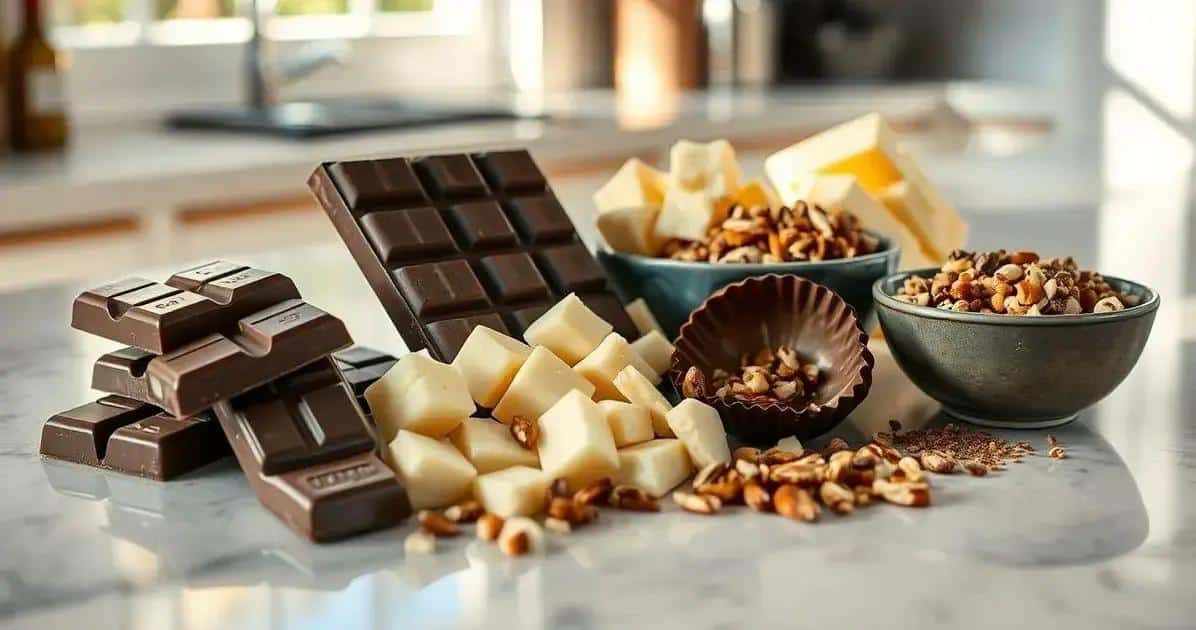
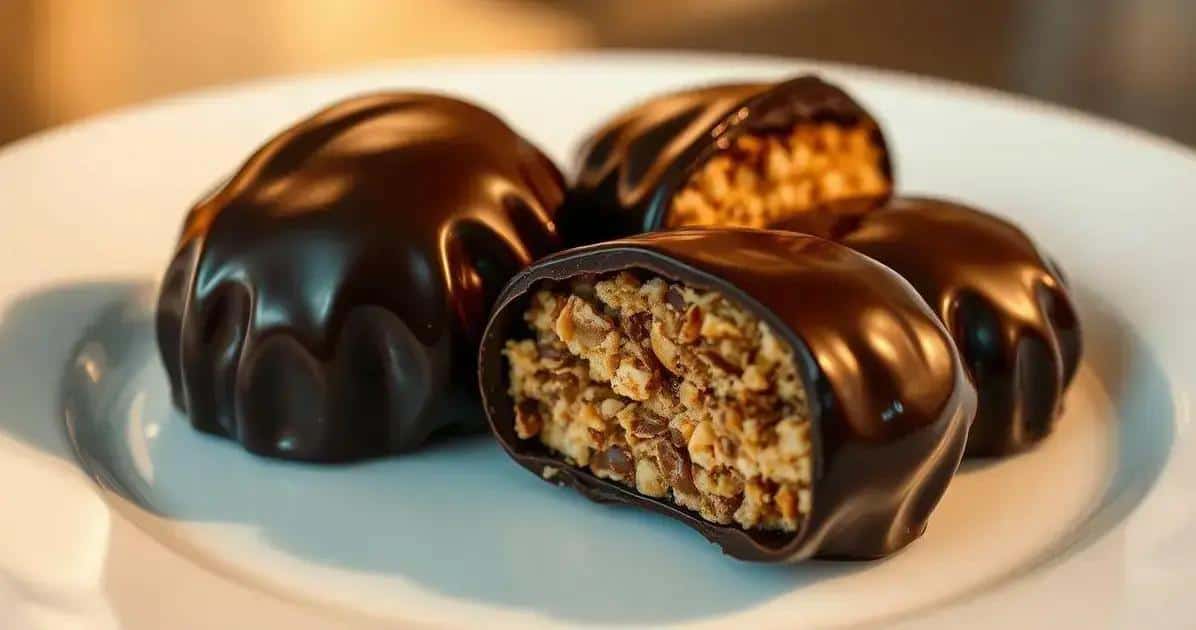
Use couverture chocolate when you want a glossy shell with a clean snap. Compound coating sets differently and should be prepared according to its packet rather than tempered like cocoa-butter chocolate.
Preparing moulds and tools
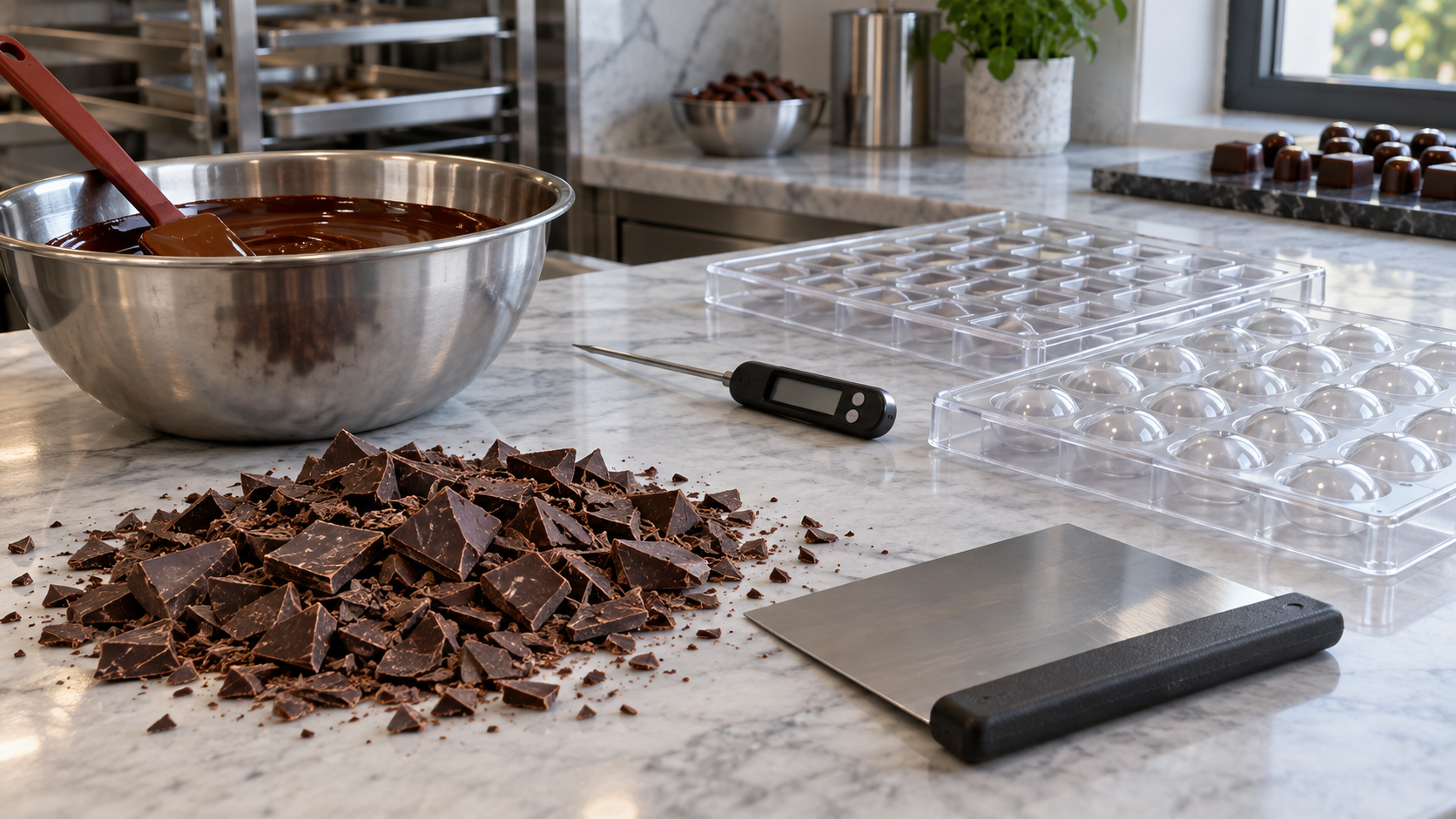
Polish rigid moulds with lint-free cotton and keep every surface completely dry. Chop the chocolate evenly and have a digital thermometer and scraper ready before melting.
Tempering for snap

Follow the temperature curve for the chocolate you use. Keep dark, milk and white chocolate within their respective working ranges and test a thin swipe before filling the mould.
Building an even shell

Fill each cavity, tap out bubbles, then invert the mould to drain the excess. Scrape the top clean and repeat only if the first coat is too thin for the filling.
Setting and releasing

Let the shells crystallise in a cool dry place. They should contract slightly and release without force; avoid freezing, which encourages condensation and bloom.
Storage and serving

Store finished unfilled shells airtight in a cool dark place. Filled chocolates may require refrigeration and a shorter shelf life depending on their most perishable ingredient.
Frequently asked questions
Can I prepare it ahead?
Yes. Prepare stable components ahead and follow the chilling and storage instructions in the method.
Can I use milk or white chocolate?
Yes, but sweetness and firmness change, so adjust the cream ratio gradually and test a small batch.
How should it be stored?
Keep plain baked items covered and refrigerate anything containing fresh cream, ganache or other perishable fillings.
Can I reduce the sugar?
A modest reduction may work, but sugar affects moisture and structure as well as sweetness.
Which allergens should I check?
Check labels for milk, eggs, gluten, soya, nuts and any allergen relevant to toppings or decorations.
What gives the best result?
Measure accurately, control heat and use the visual texture cues rather than relying only on the clock.