
Plan around the recipient
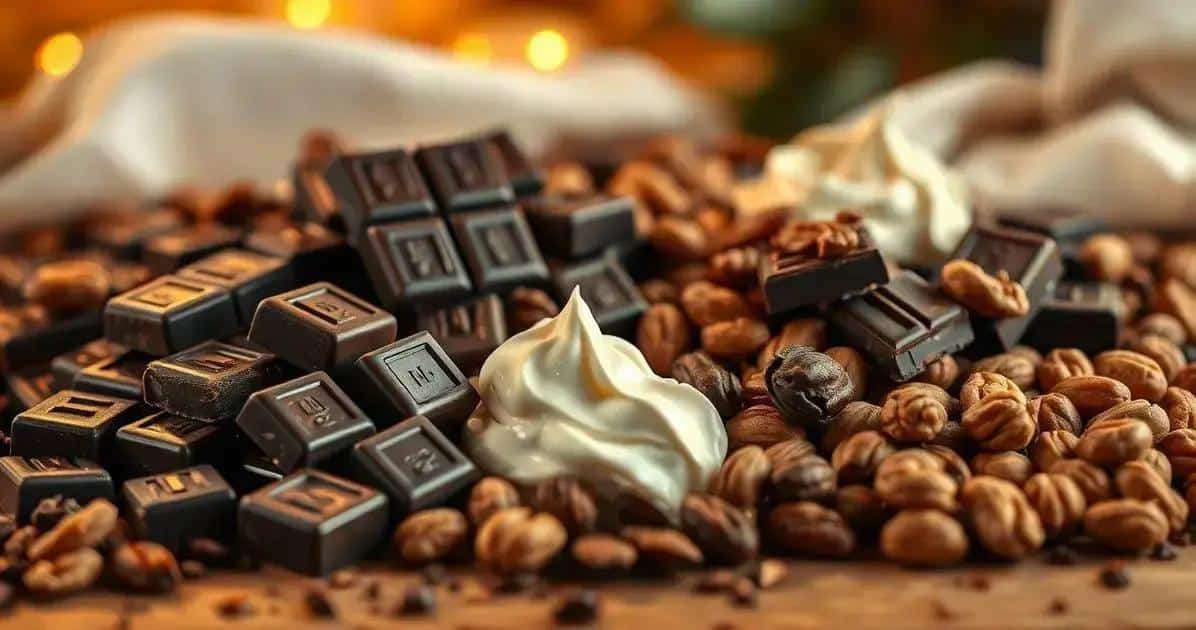
Start with flavours the recipient already enjoys and check allergies before choosing ingredients. A small thoughtful selection is usually better than a large risky one.
Chocolate bark
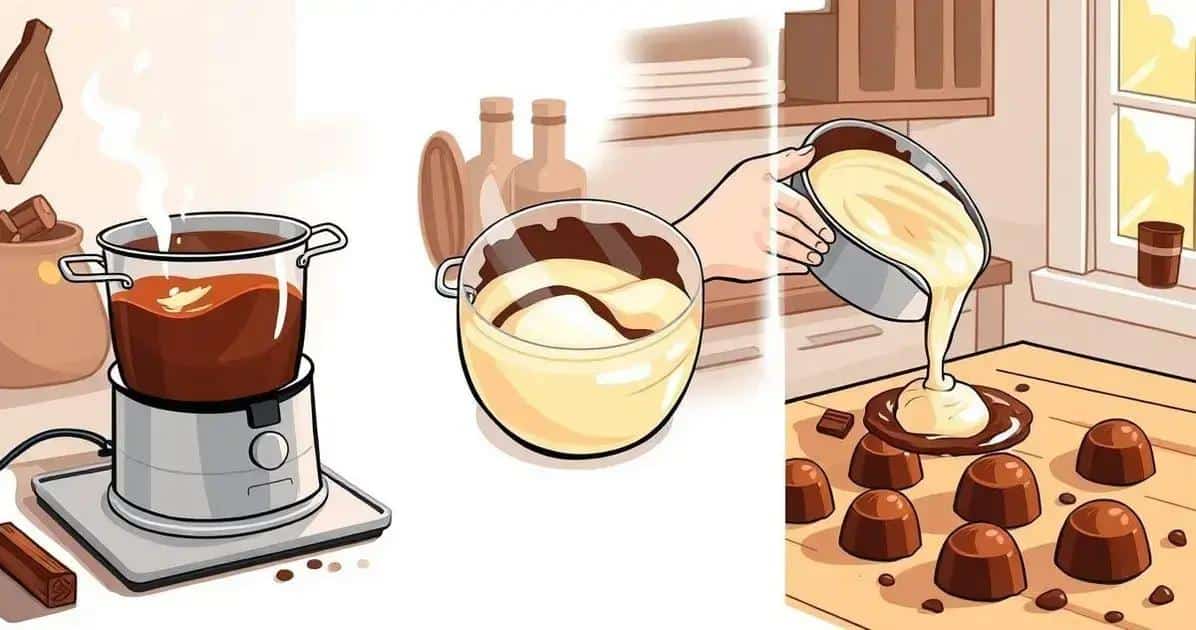
Spread tempered chocolate in a thin layer and add dry toppings such as toasted nuts or freeze-dried fruit. Break it into pieces only after it is fully set.
Filled truffles
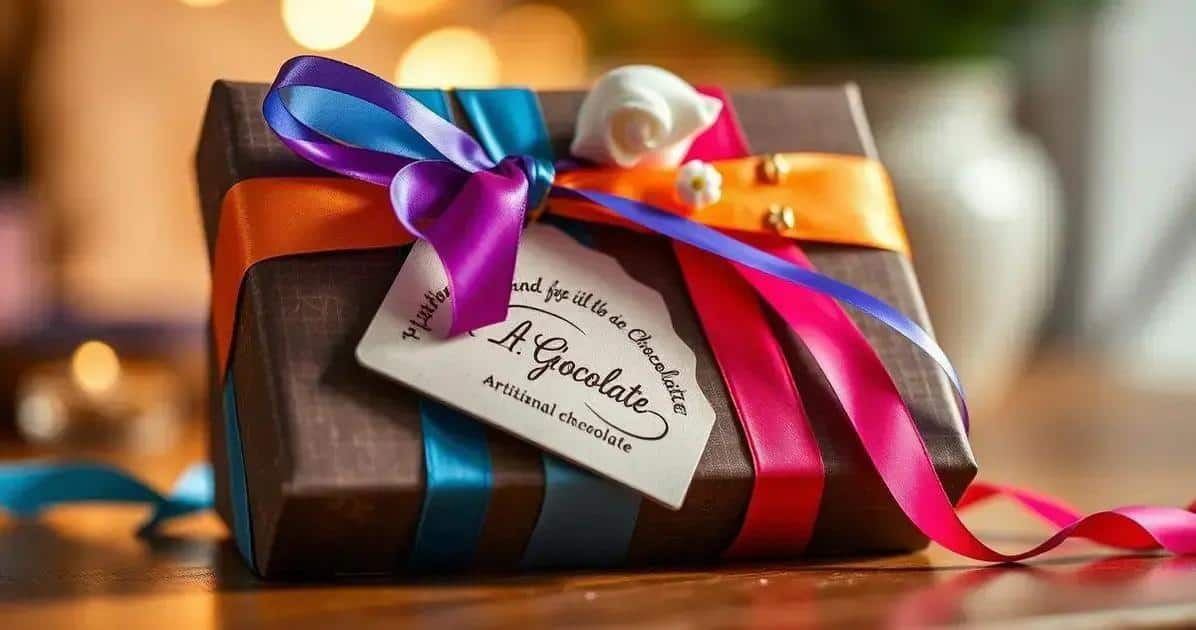
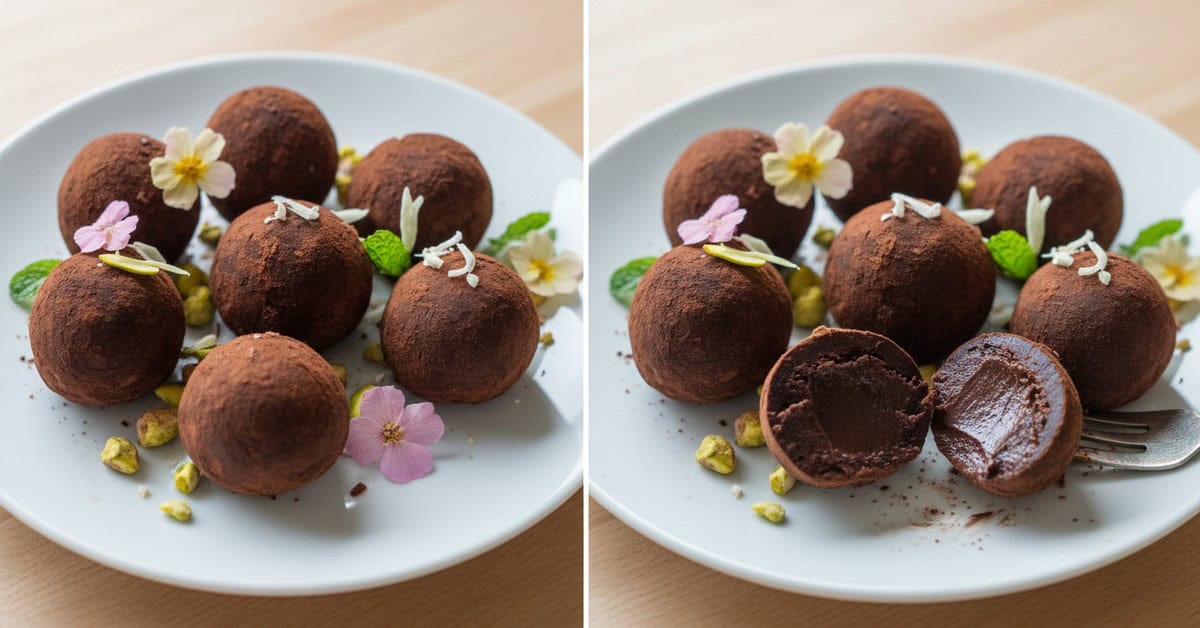
Use a stable ganache and keep portions small. Fresh-cream truffles must be refrigerated, dated and eaten promptly.
A hot chocolate jar
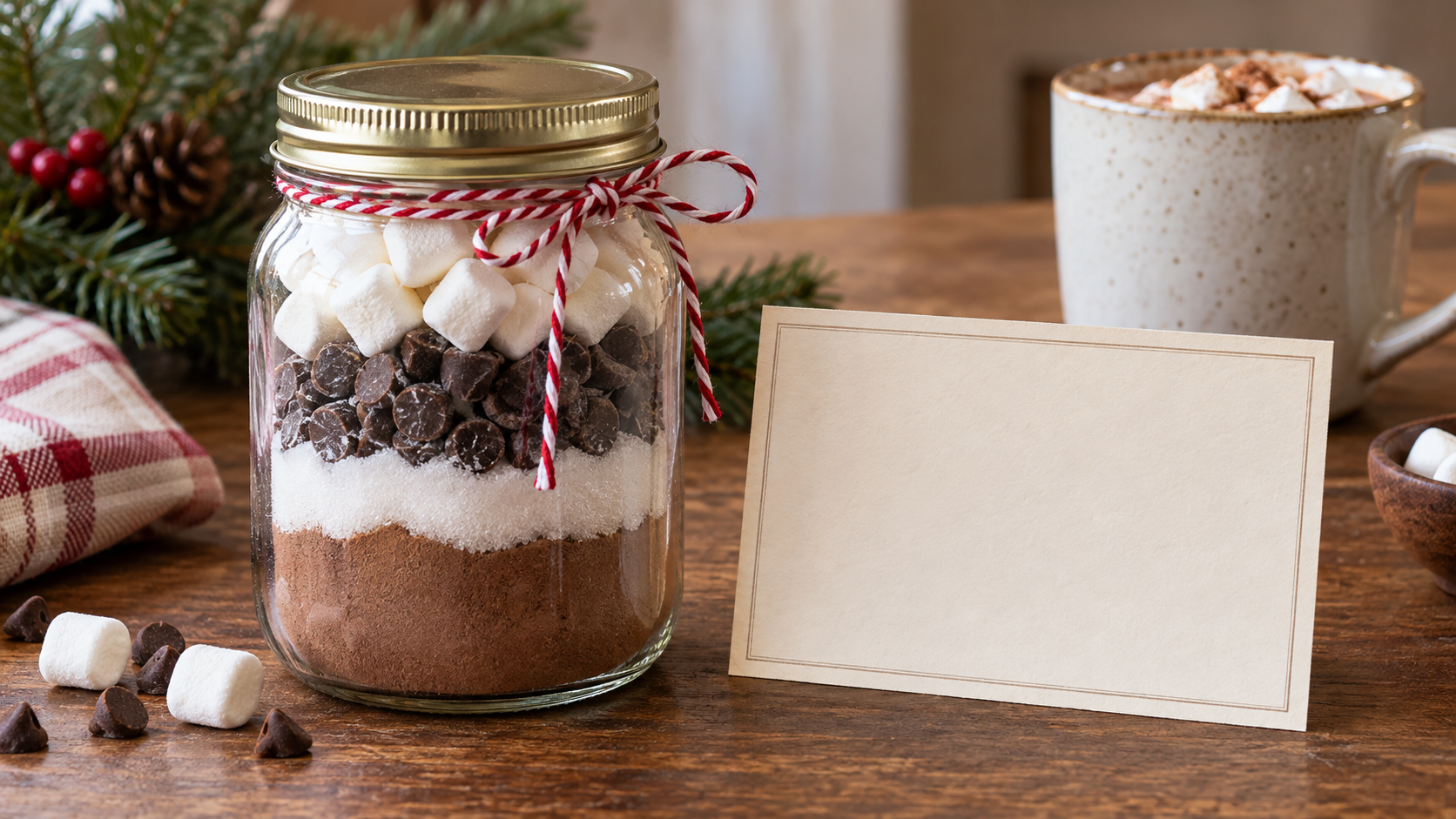
Layer measured drinking chocolate, sugar and compatible dry flavourings in a clean jar. Attach clear preparation instructions and allergen information.
Packing the gift
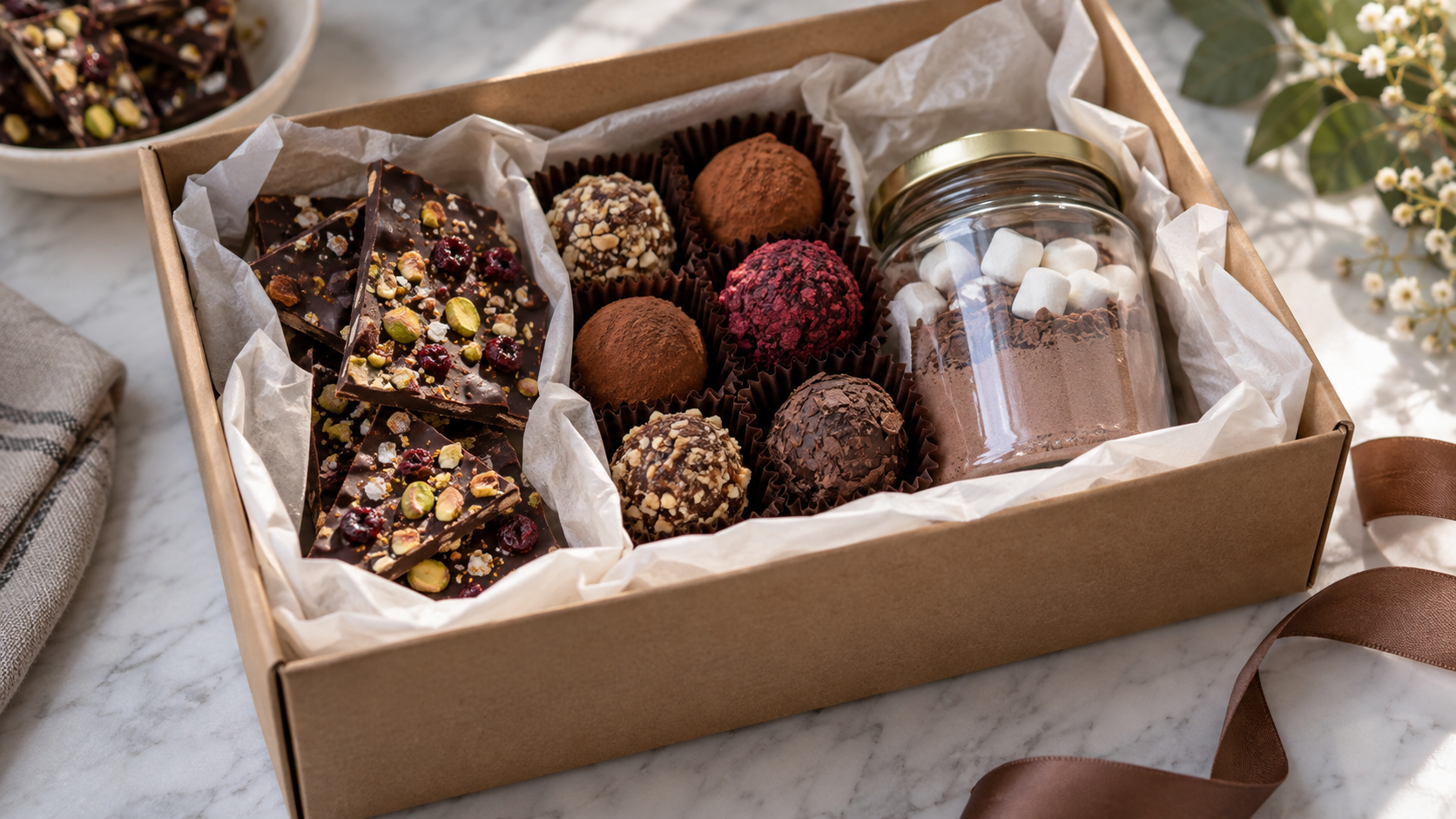
Use food-safe paper cases and a rigid box. Separate strongly flavoured pieces and cushion anything that could crack in transit.
Labelling and storage
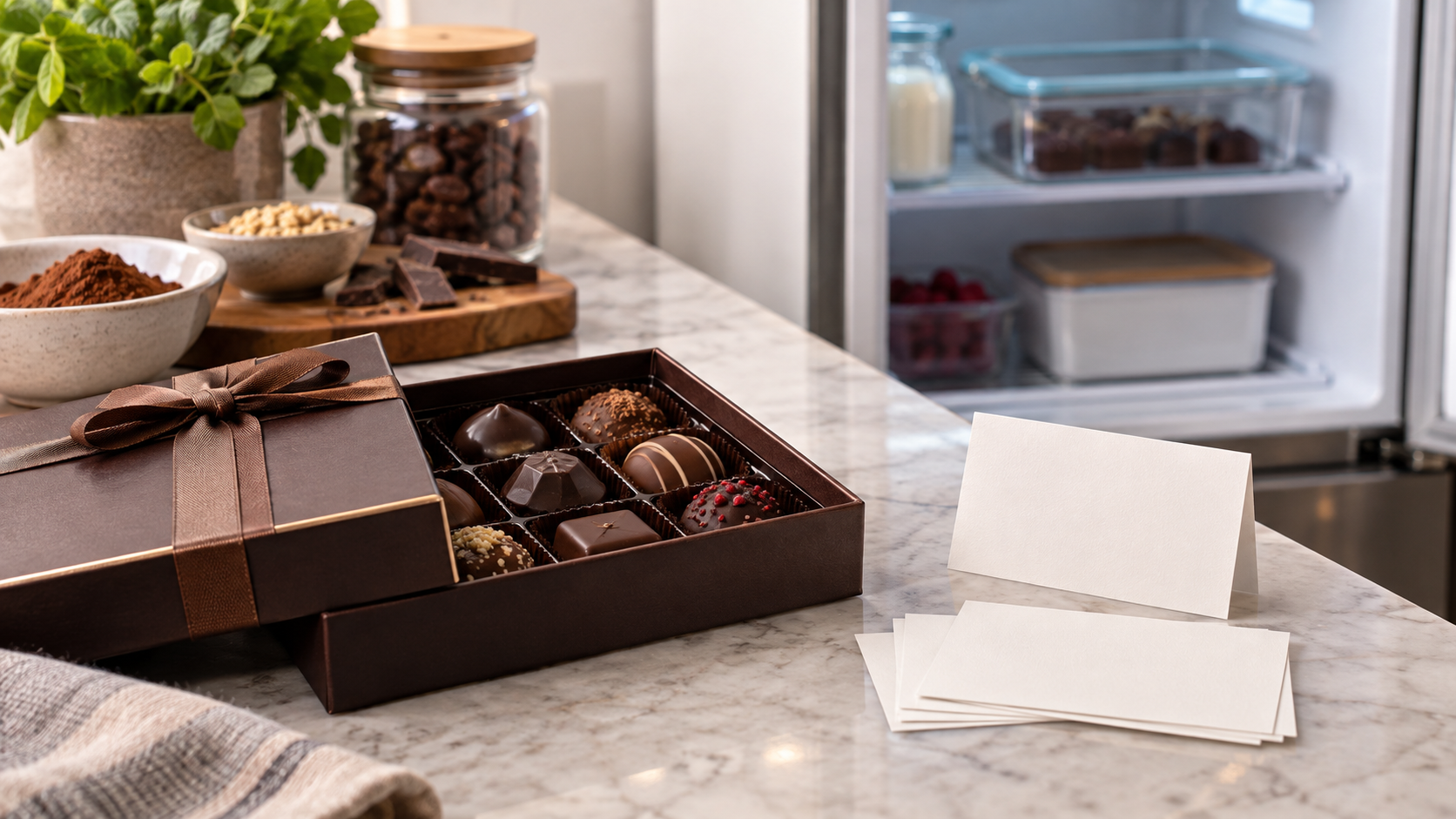
State ingredients, allergens, preparation date and storage needs. Do not promise that a product is allergen-free unless the whole process supports that claim.
A personal finish
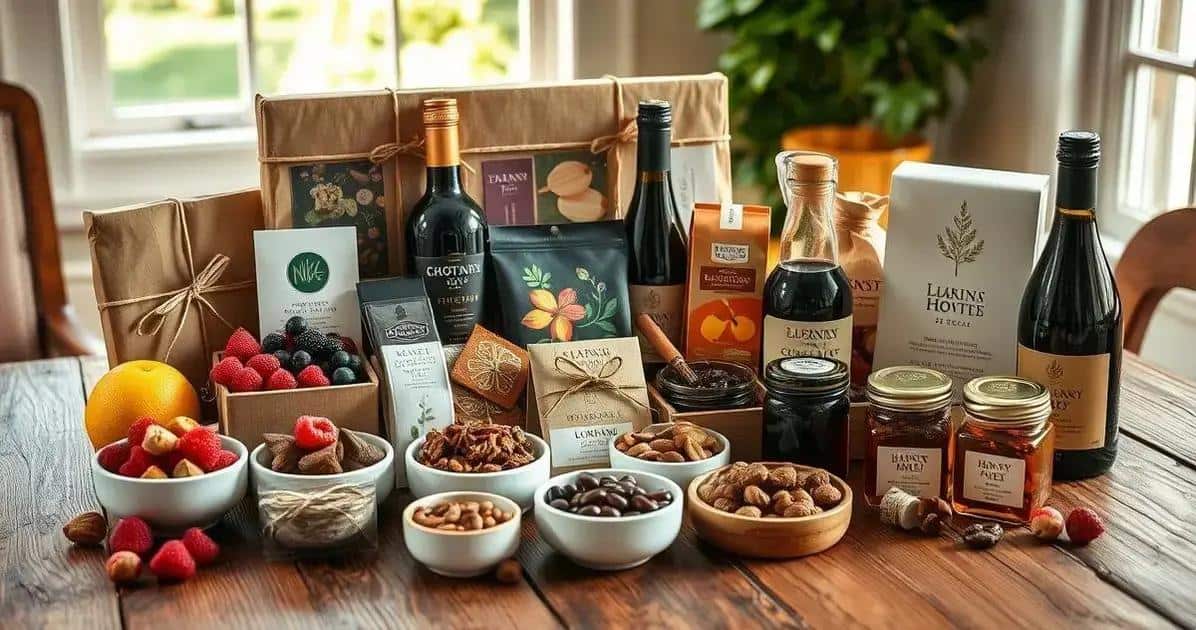
Add a short handwritten note or a removable paper sleeve. Keep the presentation personal without covering required food information.
Frequently asked questions
Can I prepare it ahead?
Yes. Use the storage guidance in the article and keep perishable components chilled.
Can I change the chocolate?
Yes, although cocoa percentage changes sweetness, flow and firmness, so test a small amount first.
How should it be stored?
Keep plain chocolate cool and dry, and refrigerate items with fresh cream, fruit or other perishable fillings.
Can it be posted?
Only stable, well-packaged items should be posted, with temperature and delivery time considered.
Which allergens should I check?
Check every label for milk, gluten, soya, eggs, nuts and any other allergens in the ingredients used.
What gives the best finish?
Measure carefully, keep equipment dry and control chocolate temperature throughout the process.