
Compare the fats
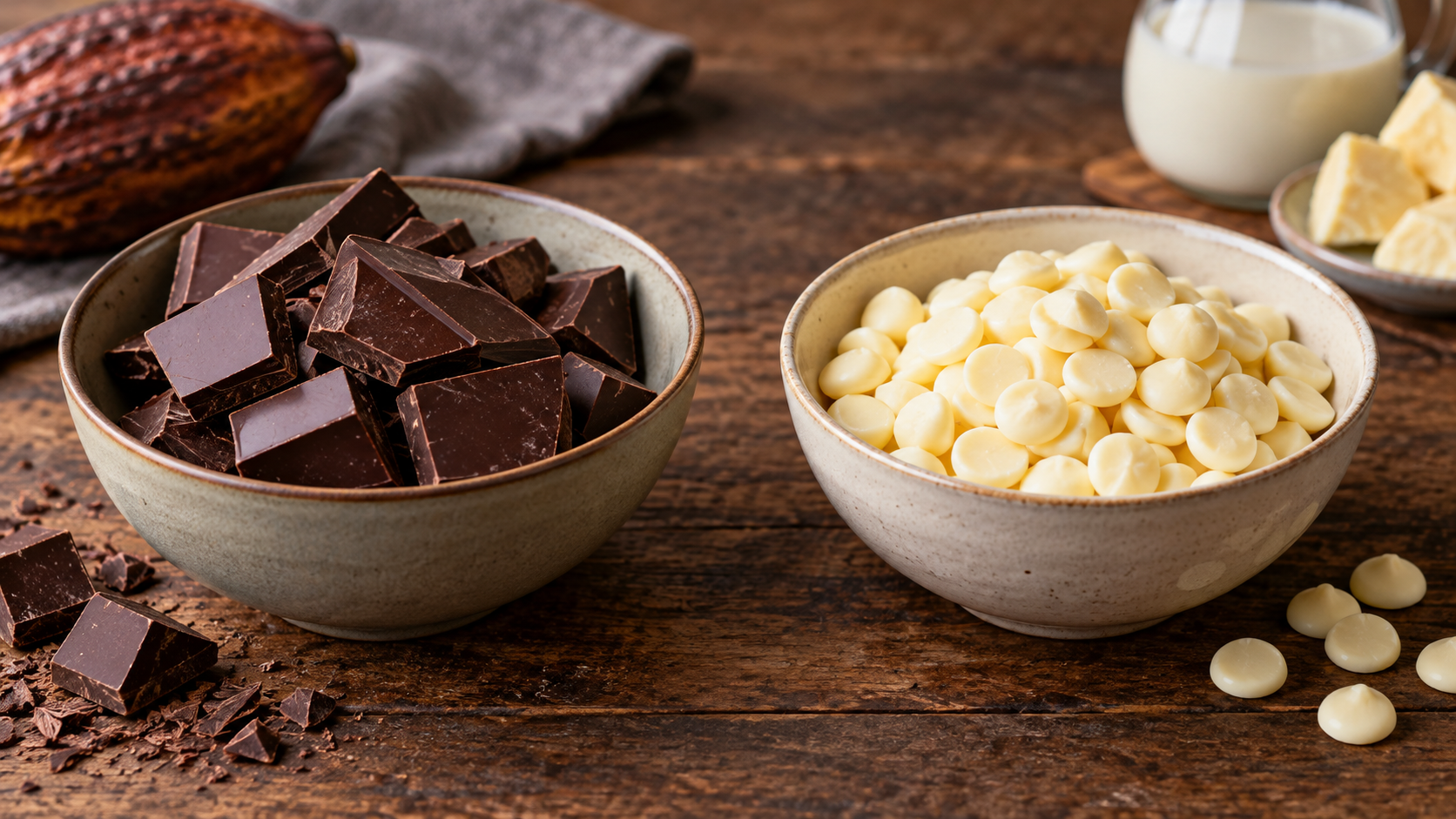
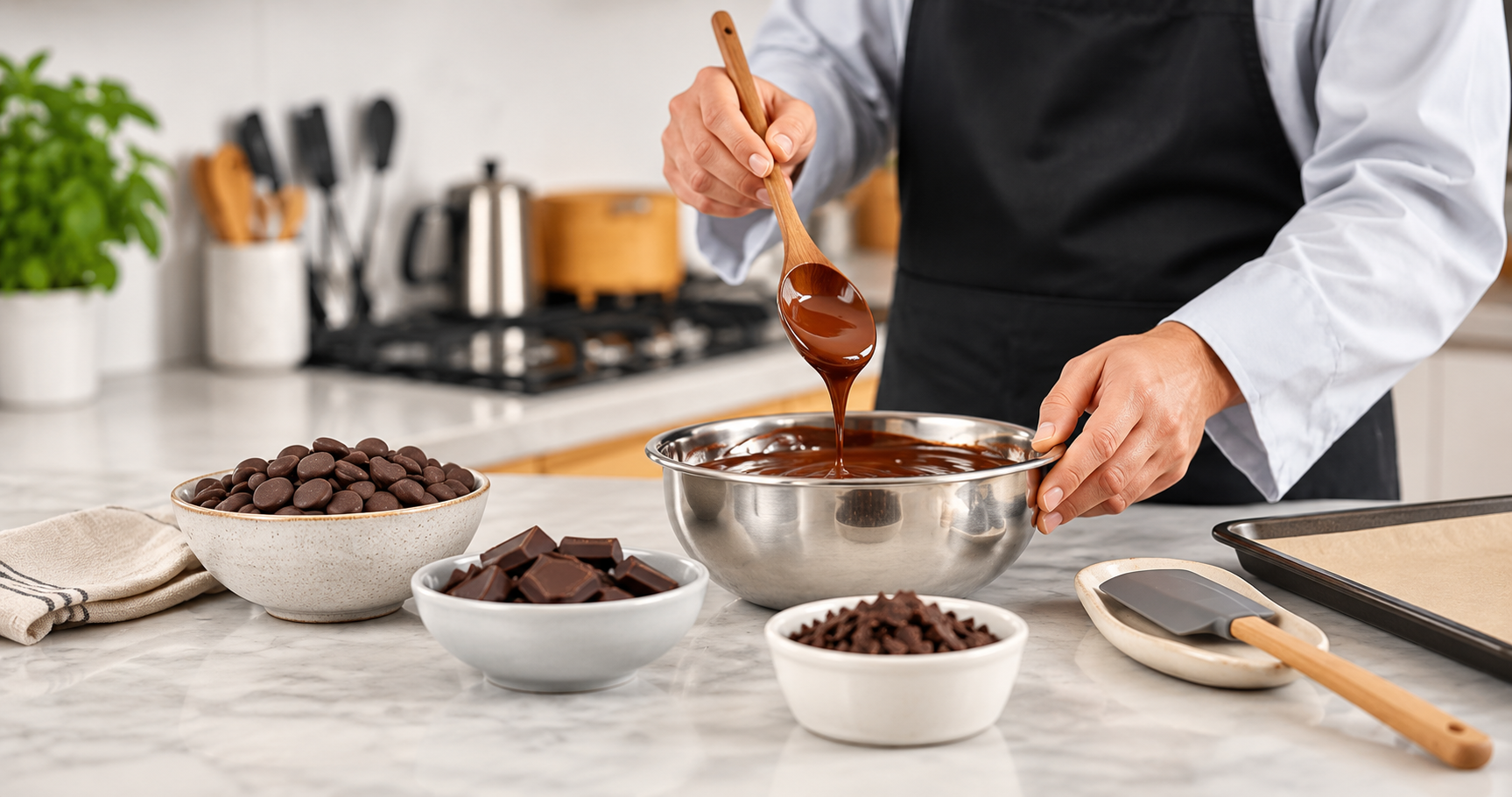
Couverture chocolate relies on cocoa butter, while compound coating replaces some or all of that fat with other vegetable fats. This difference controls melting, setting and mouthfeel.
Understand tempering requirements
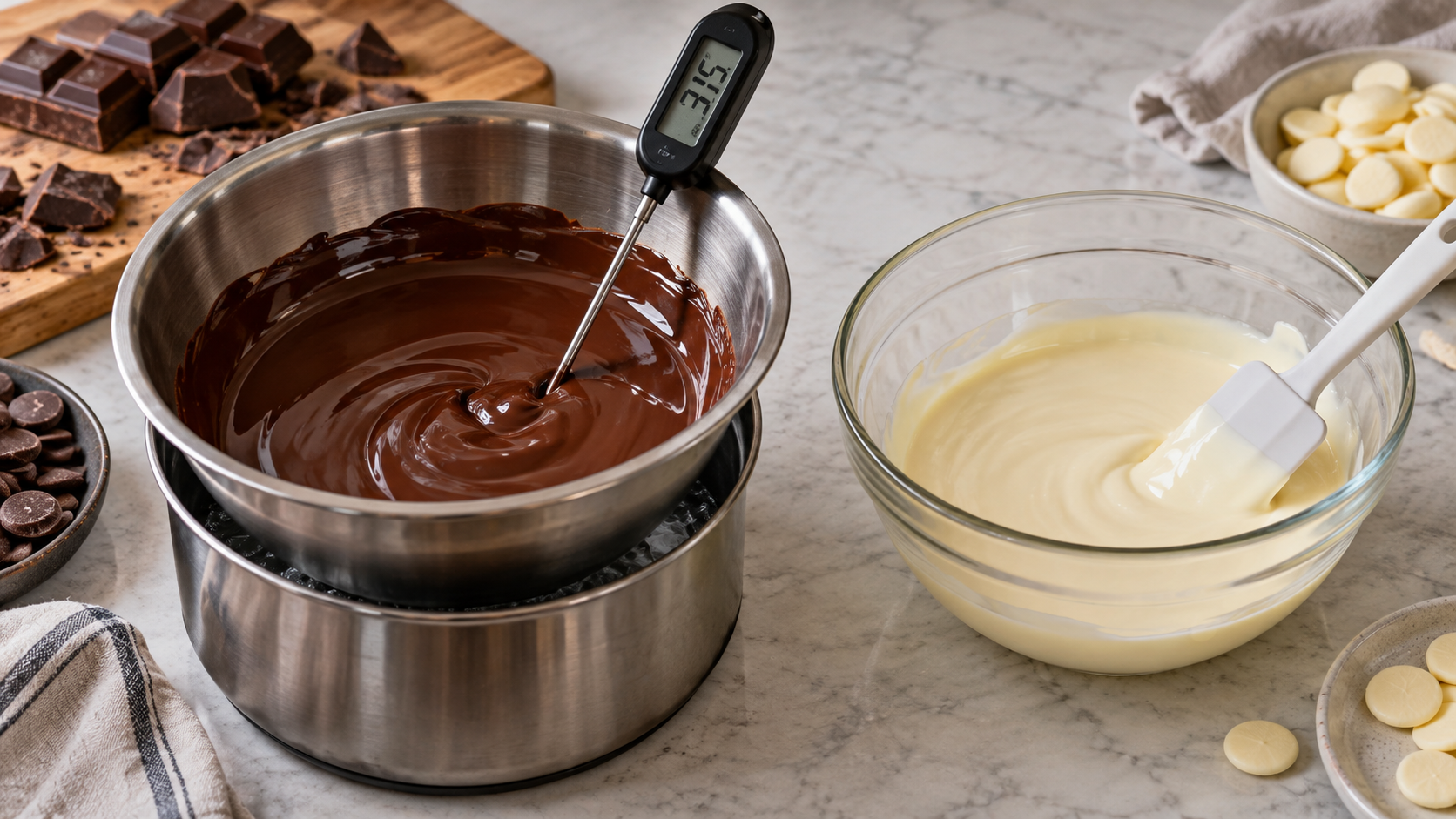
Couverture normally needs tempering for glossy moulded pieces and crisp shells. Compound coating is generally designed to set without tempering, although it still needs gentle heating.
Compare flavour and texture

Cocoa butter gives couverture a characteristic clean melt and chocolate flavour. Compound coatings vary widely and can feel firmer or waxier, so taste the actual product before choosing it.
Choose for moulds and shells
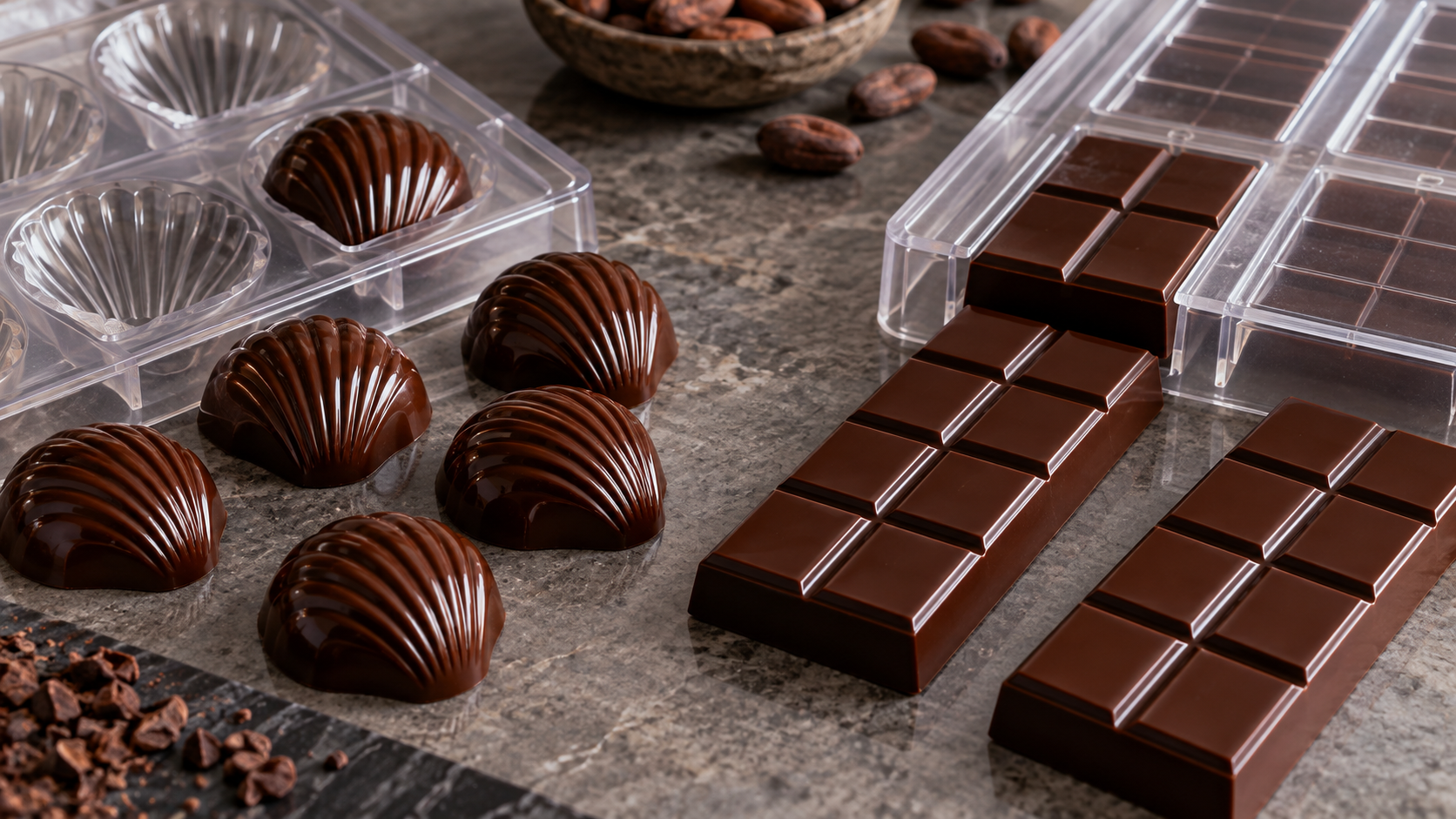
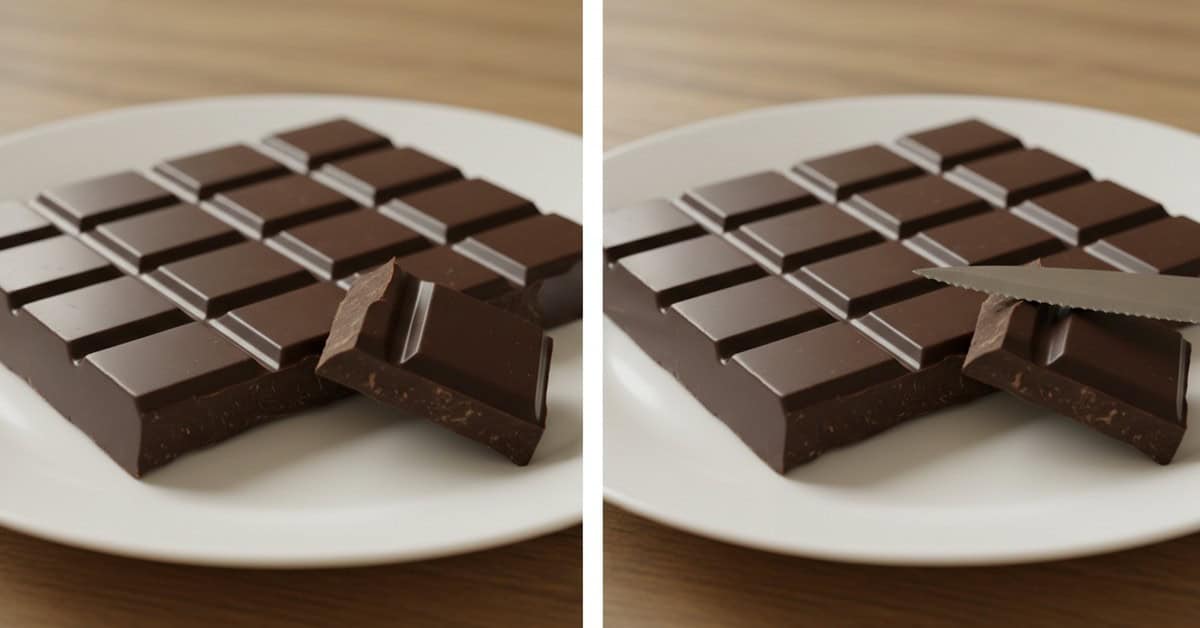
Well-tempered couverture suits fine bonbons, bars and thin shells where shine, snap and release matter. Use the manufacturer’s viscosity guidance for the intended moulding task.
Choose for dipping and decoration
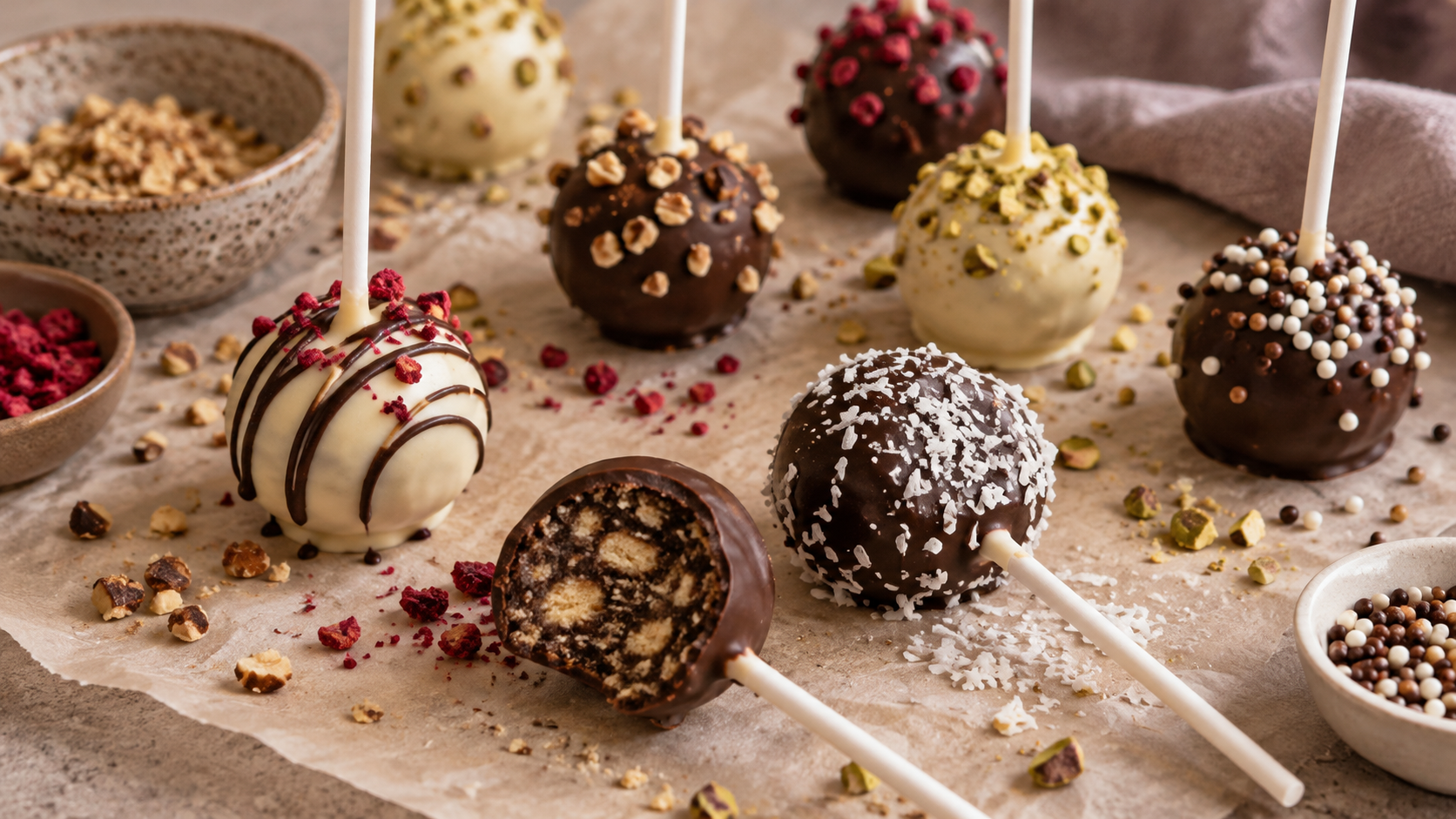
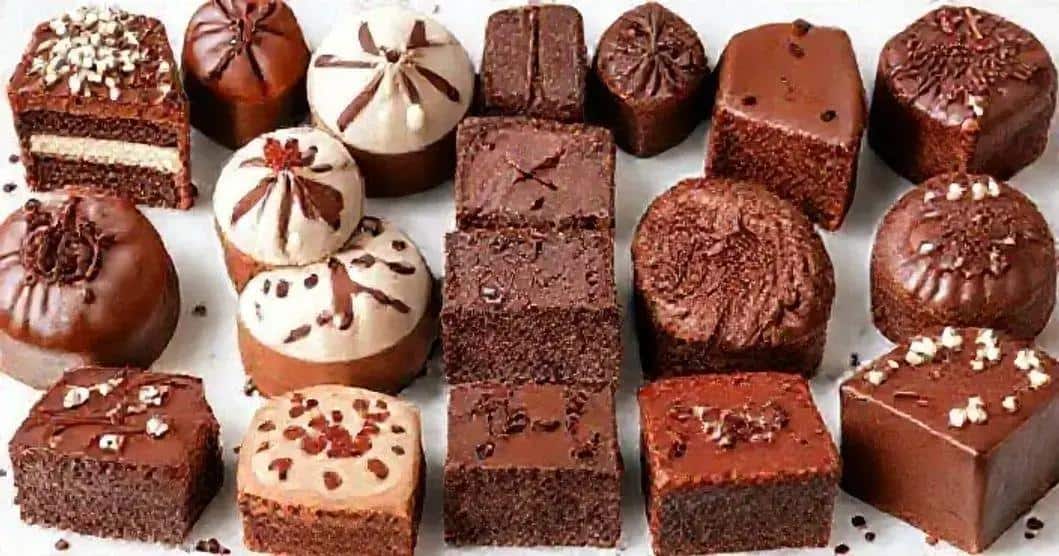
Compound coating can be practical for biscuits, cake pops and quick decorations. Keep layers thin and test the coating with the actual centre before producing a large batch.
Match storage to the filling
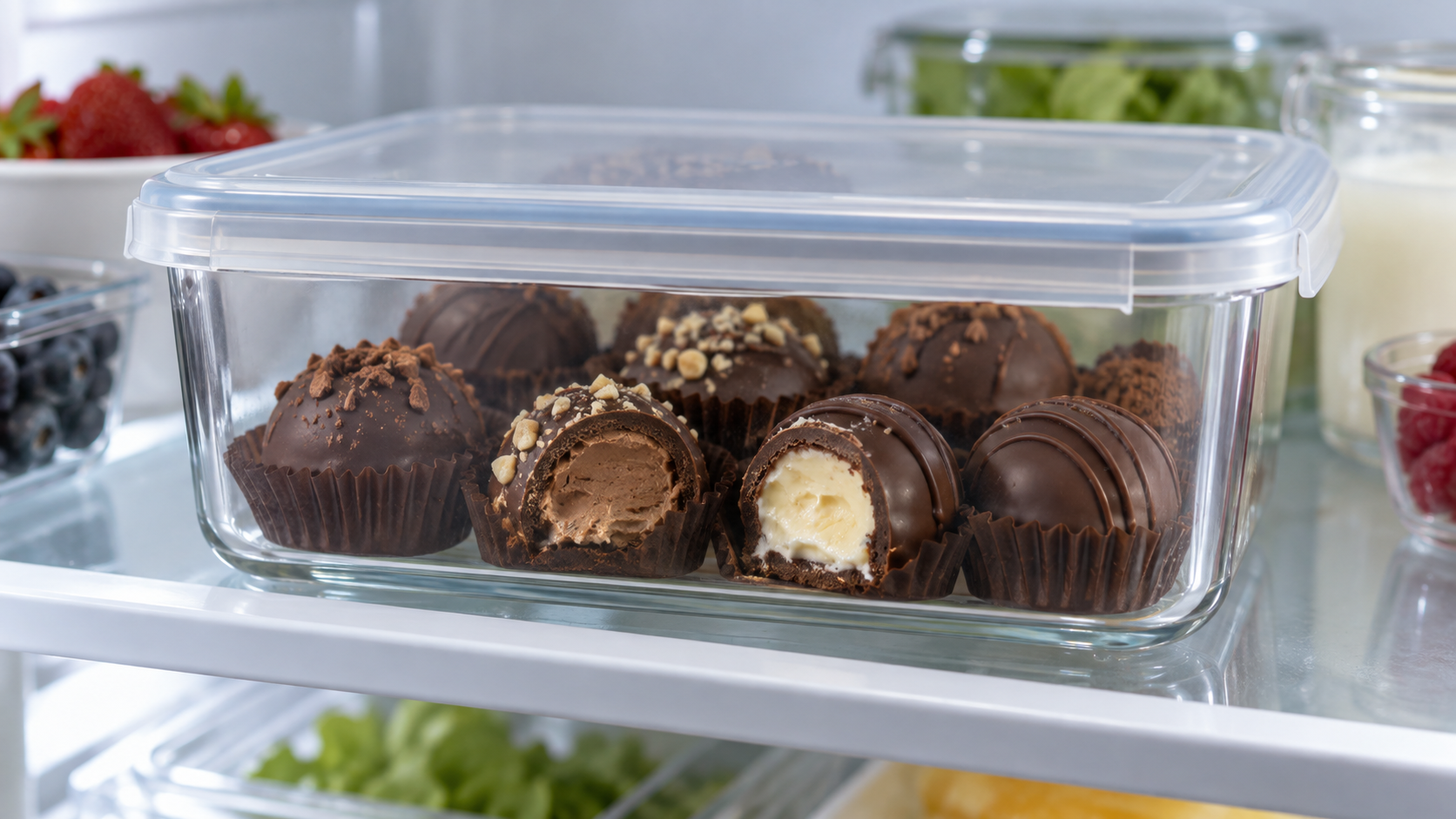
Neither product makes cream, custard or fruit fillings safe at room temperature. Package and store the finished sweet according to its most perishable component.
Frequently asked questions
Does a higher price guarantee better chocolate?
No. Judge ingredients, handling information, flavour, traceability and suitability for the intended recipe.
Do I need to test a product before buying in bulk?
Yes. Melt, temper or set a small batch with the real filling, packaging and storage conditions.
Which allergens should I check?
Read every label for milk, soya, nuts, gluten and other required allergens, including cross-contact warnings.
How should chocolate products be stored?
Keep plain chocolate cool and dry, and refrigerate finished items when their fillings require it.
Can I rely on marketing claims?
Use specific label definitions, standards and evidence rather than broad words such as premium, healthy or sustainable.
What records should a small seller keep?
Retain supplier labels, batch codes, dates, recipes, yields, temperature notes and customer-facing ingredient information.