
Check the peanut warning first
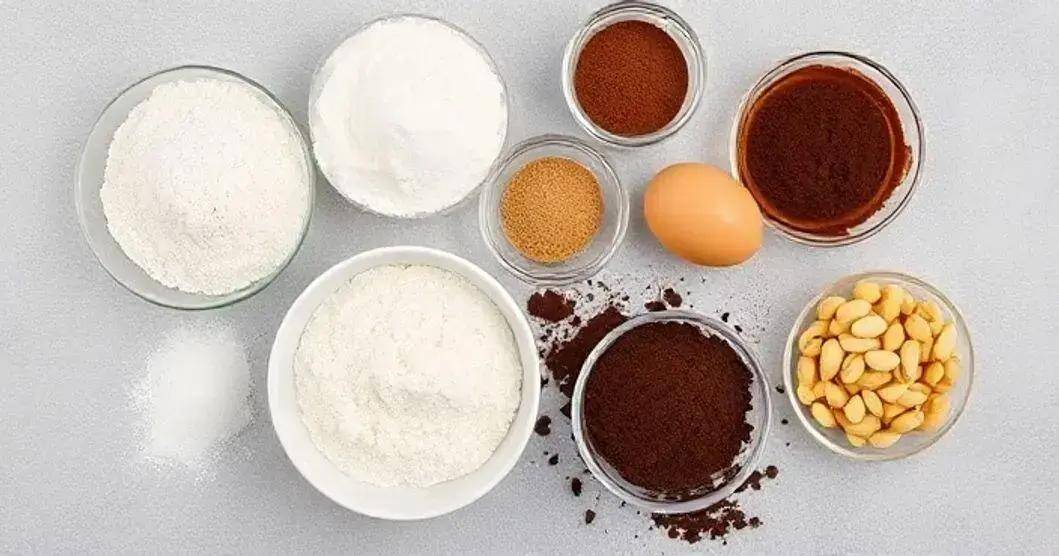
Paçoca is a Brazilian peanut sweet. Peanuts are a major allergen, and many paçoca products also carry cross-contact warnings. Keep the cake away from anyone with a peanut allergy and retain the ingredient label.
Ingredients for a 20 cm cake
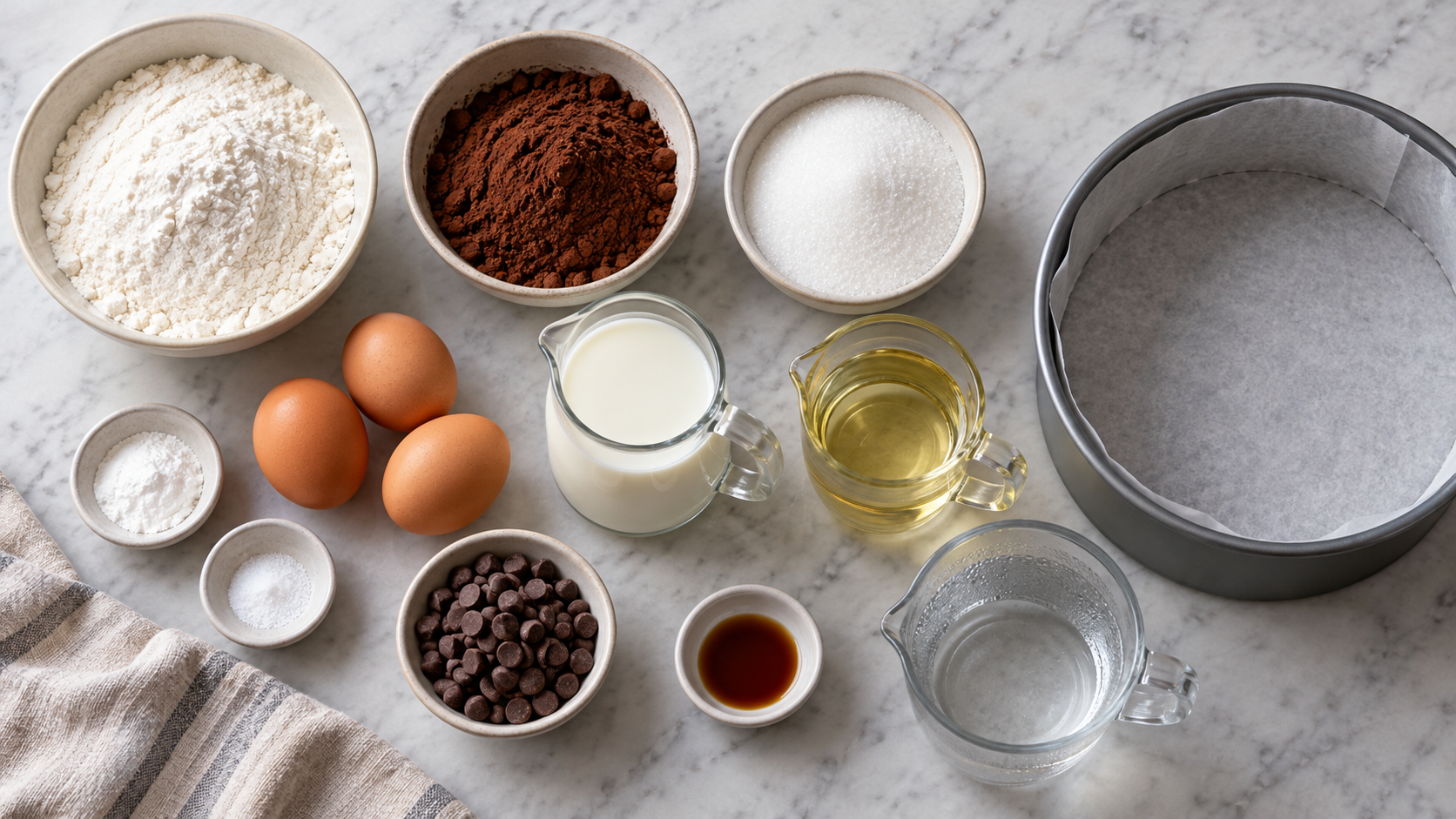
For the cake use 180 g plain flour, 45 g cocoa, 180 g sugar, two eggs, 120 ml milk, 100 ml neutral oil, 120 ml hot water, one teaspoon baking powder, half a teaspoon bicarbonate of soda and a pinch of salt.
Mix and bake the cocoa sponge
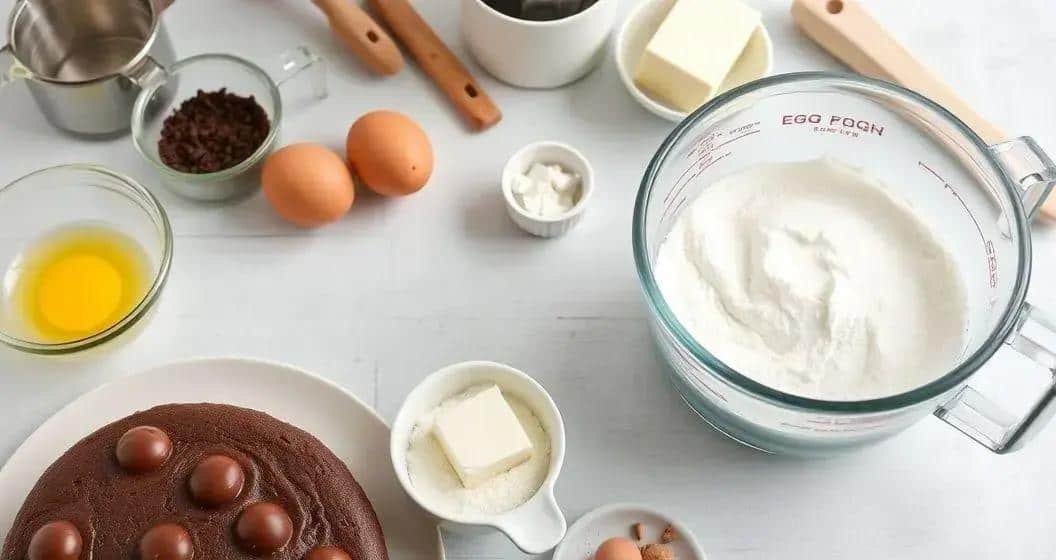
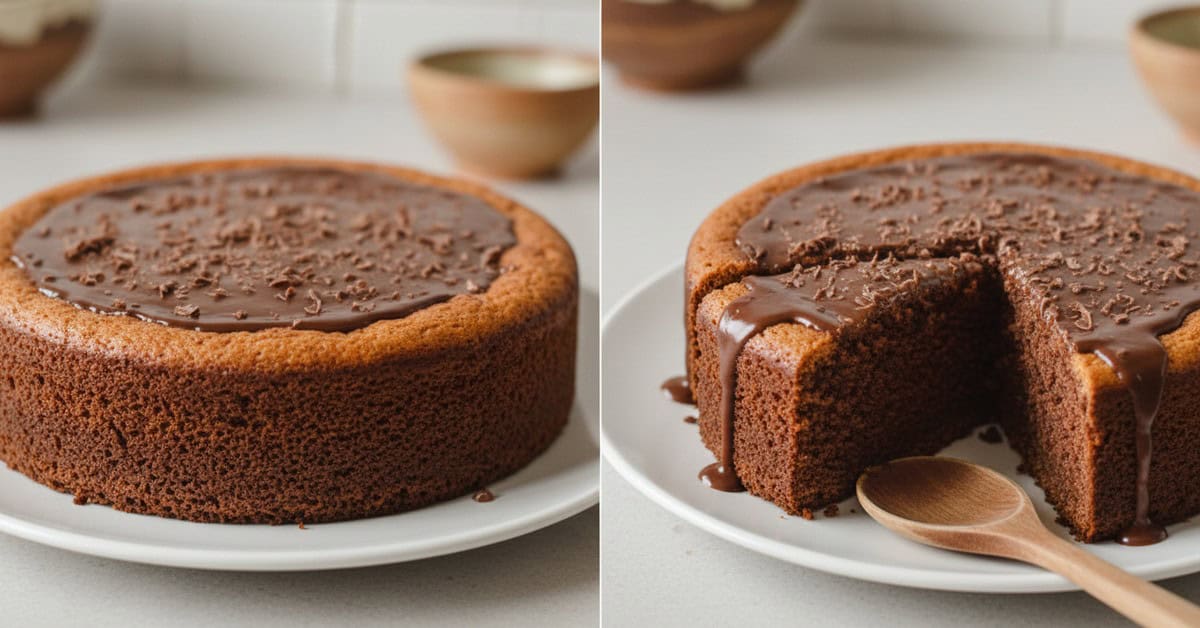
Heat the oven to 180°C, or 160°C fan, and line a 20 cm tin. Whisk the eggs, milk and oil, fold in the dry ingredients, then add the hot water gradually. Bake for about 30 to 38 minutes, until a skewer shows moist crumbs rather than raw batter.
Cook the paçoca topping
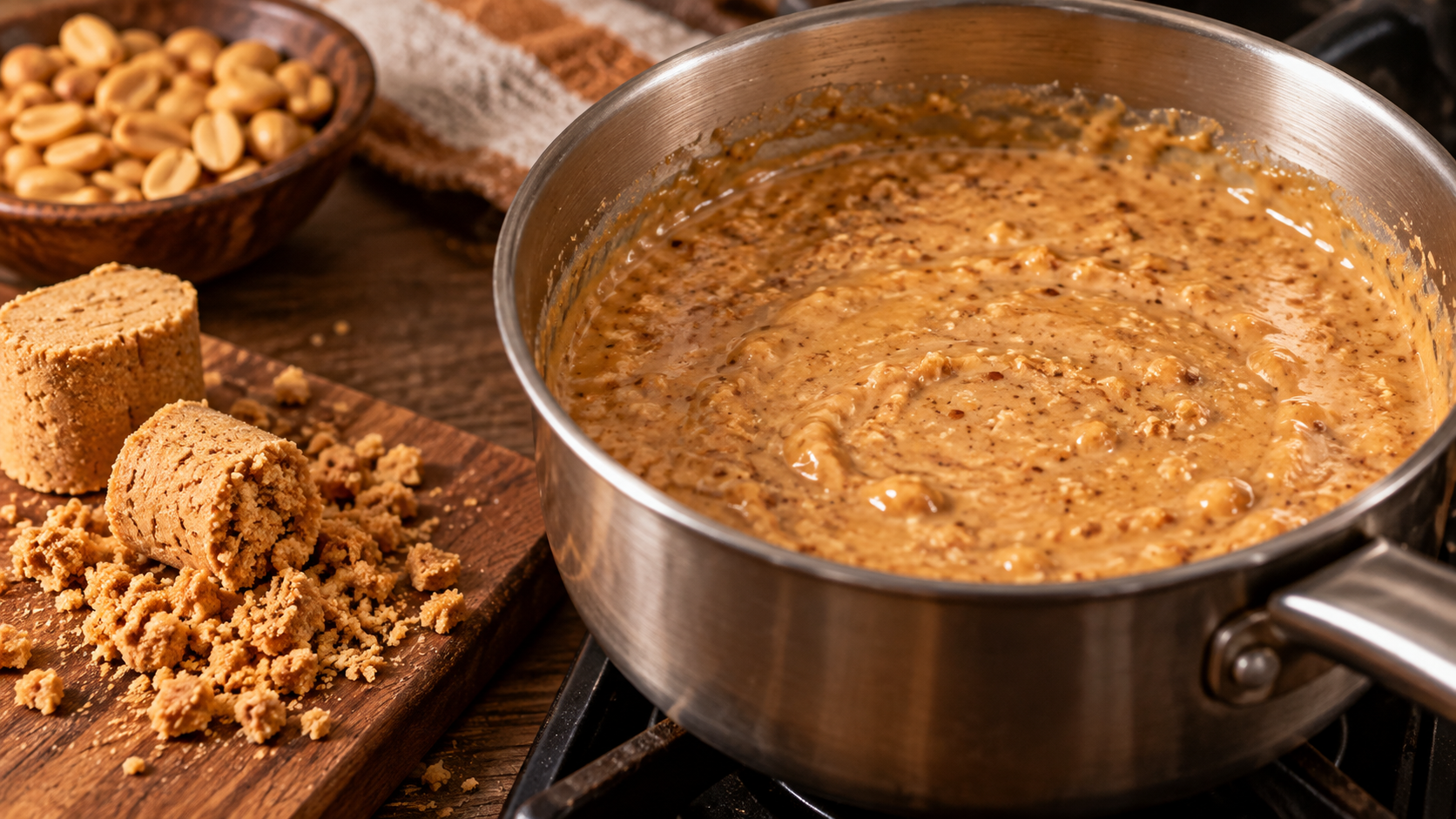
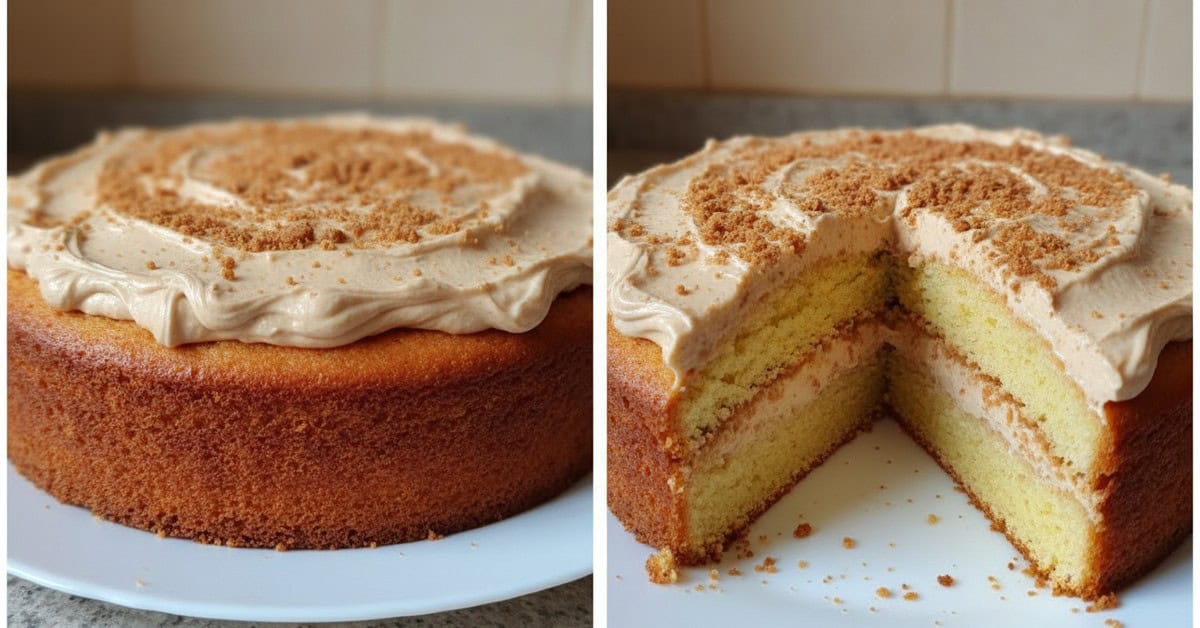
For the topping, cook one 397 g tin condensed milk with 15 g butter over low heat until it thickens. Remove from the heat, stir in 100 ml double cream and 60 g finely crumbled paçoca, then cool with the surface covered.
Cool before assembling
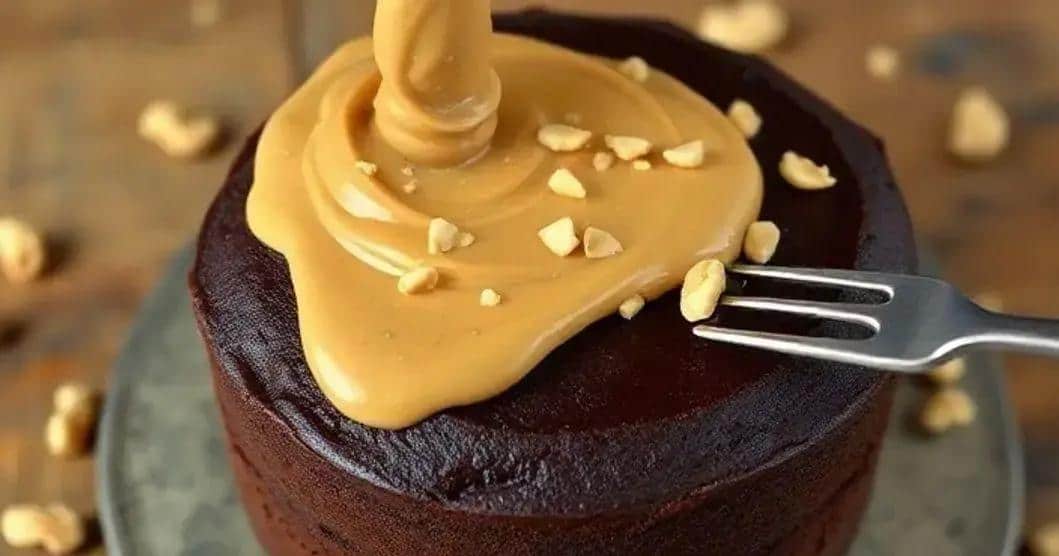
Turn the cake out onto a rack and let it cool completely. Spread the cool topping in an even layer and add a small amount of paçoca shortly before serving so it does not absorb too much moisture.
Store according to the topping
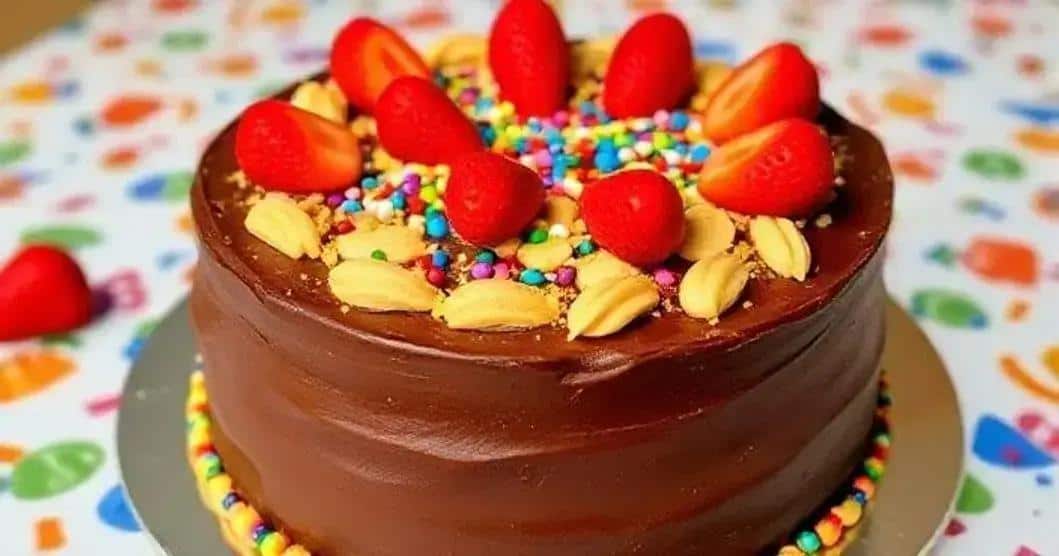
The topping contains dairy and peanuts and requires refrigeration. Cover the cake, chill it promptly and follow the most perishable ingredient. Bring individual slices briefly towards room temperature for a softer texture.
Frequently asked questions
Why was the original article not translated word for word?
It contained an unsafe, unsupported or technically unreliable point, so the useful subject was rebuilt directly in British English.
Can ingredient quantities be changed freely?
Small tests are safer. Changes to water, fat, sugar or protein can alter texture, setting and storage.
How should allergens be handled?
Read every current pack, prevent cross-contact and keep accurate ingredient information with the finished food.
Can a storage period be copied from another recipe?
No. Storage and shelf life need to match the actual ingredients, process, hygiene and packaging.
Do chocolate temperatures stay the same for every brand?
No. Chocolate type and formulation differ, so the manufacturer’s tempering guidance takes priority.
Are nutrition or hydration claims appropriate here?
Only when supported by the complete recipe and applicable rules. These guides describe preparation rather than medical or performance benefits.