
Choose sour cassava starch
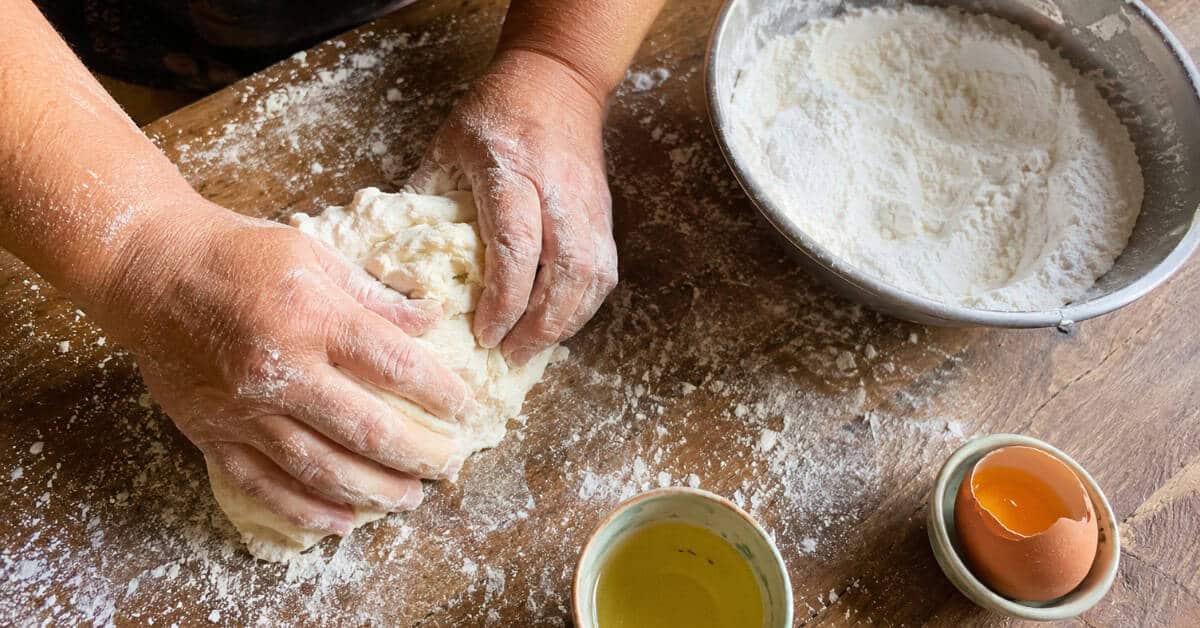
Brazilian polvilho azedo is fermented sour cassava starch and gives the characteristic expansion and light, crisp structure. Sweet cassava starch behaves differently, so it should not be treated as an exact swap. Cassava starch is naturally gluten-free, but anyone cooking for a medical gluten-free diet should still check the packet and the kitchen for cross-contact.
Measure a manageable batch

Use 250 g sour cassava starch, 100 ml whole milk, 100 ml water, 60 ml neutral oil, 5 g fine salt and 1–2 large eggs. Egg size and starch absorption vary, so the second egg is added gradually. Optional hard cheese changes flavour, salt and structure; leave it out for a plain biscuit or add only a measured amount to a tested variation.
Scald the starch carefully
Heat the milk, water, oil and salt just to the boil. Put the starch in a heatproof bowl and pour the hot liquid over it while stirring with a sturdy spoon. The mixture will look crumbly and sticky. Leave it until warm rather than hot before adding egg, both to avoid cooking the egg immediately and to protect your hands.
Add egg by consistency
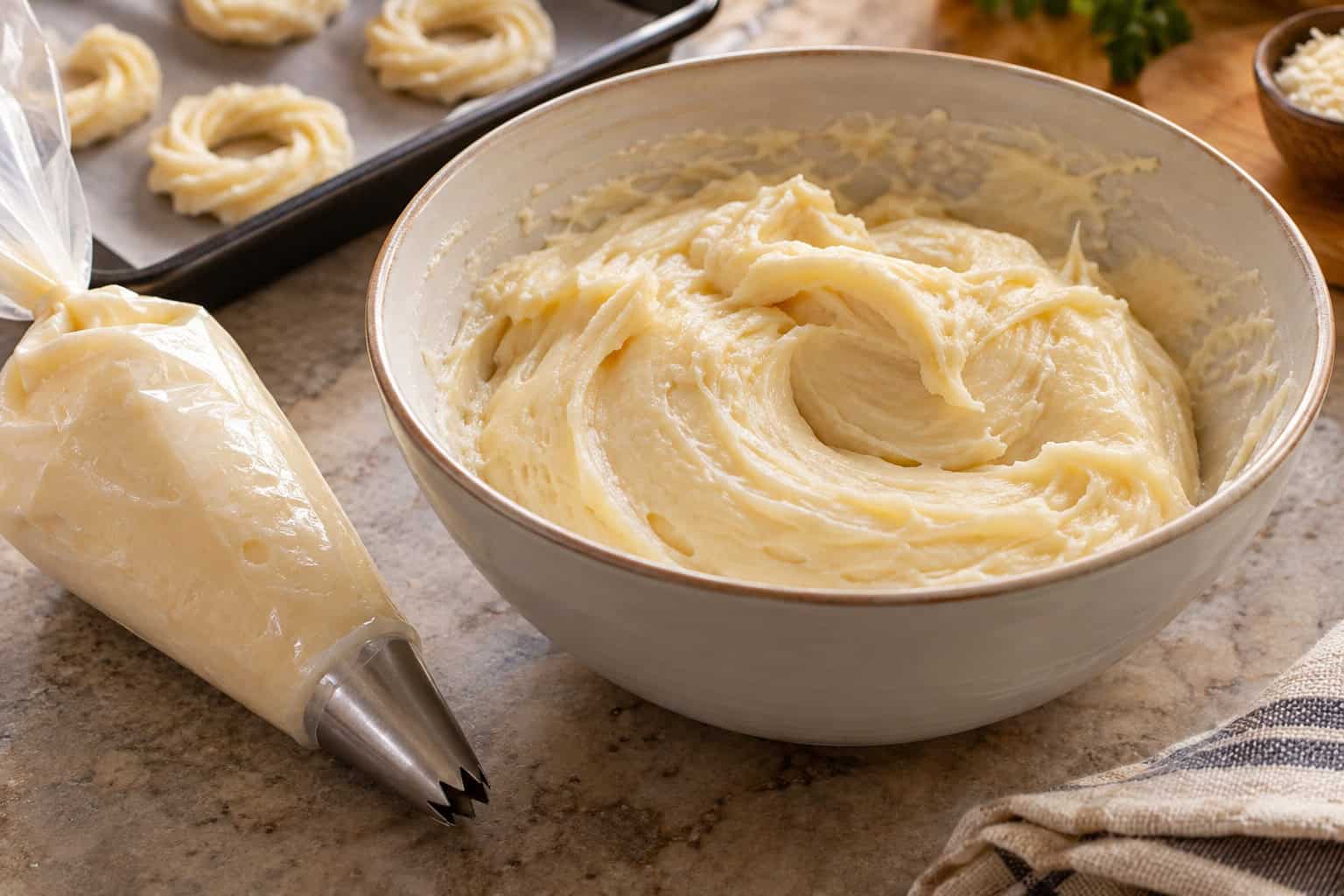
Beat one egg and work it into the warm mixture. Add the second egg a spoonful at a time only until the dough is glossy, cohesive and soft enough to pipe while still holding a line. Different brands may need different amounts. A very loose dough spreads; a dry dough may crack and expand poorly. Do not correct blindly with large additions.
Pipe and bake, never deep-fry this dough

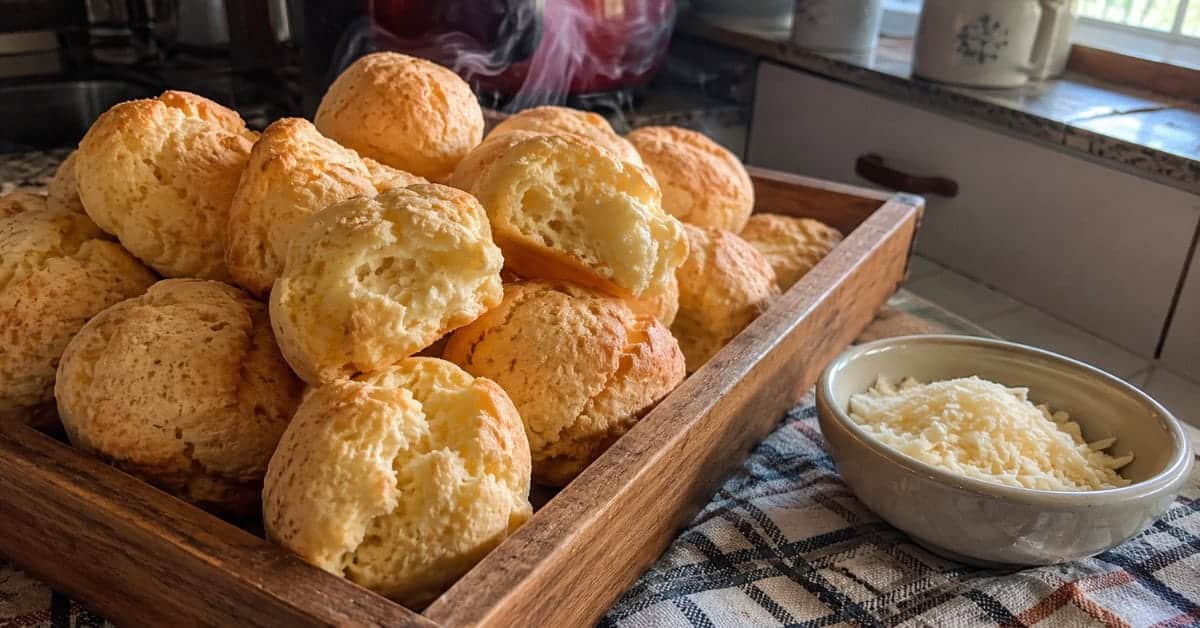
Heat the oven to 200°C, or 180°C fan, and line a tray. Pipe short fingers with space between them and bake for roughly 20–25 minutes, until expanded, dry and lightly coloured. Keep the oven closed during the early rise. This guide deliberately excludes deep-frying: wet or expanding starch dough can rupture and throw hot oil.
Cool, assess and store
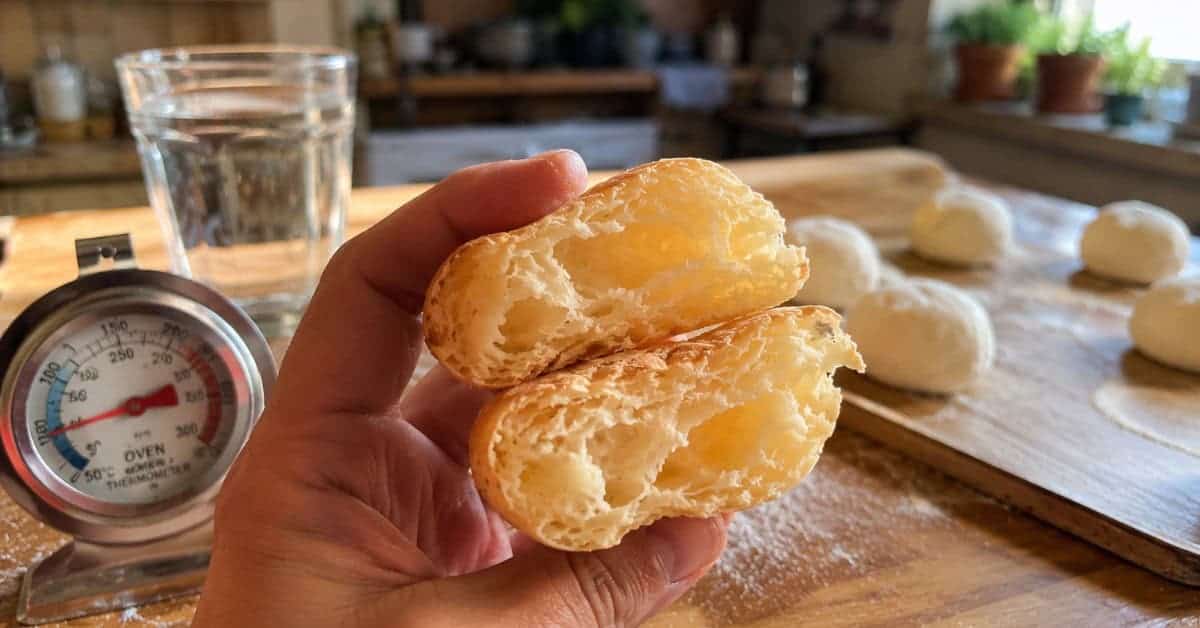
Cool the biscuits on a rack so steam can escape. The centre should be airy rather than wet or gummy. If the first tray spreads or stays dense, adjust only a small test portion before baking the rest. Serve fresh and store completely cooled biscuits in a dry airtight container; discard any batch with an off smell, visible spoilage or unsafe handling history.
Frequently asked questions
Why was the original article rewritten?
The useful subject was retained, while unsafe instructions, unsupported promises or time-sensitive claims were corrected and clearly limited.
Is the result guaranteed?
No. Recipes, business results, benefits and finance decisions depend on ingredients, process, evidence, eligibility and individual assessment.
Which sources should be trusted for changing rules?
Use the responsible government department, regulator, local authority or participating institution, and check the publication date.
How should allergens be handled?
Check every ingredient and process, prevent cross-contact and provide accurate information before food is ordered or served.
Can an old price or threshold be reused?
No. Prices, income limits, costs and programme rules can change, so verify the current figure before acting.
What should be recorded?
Keep the recipe or calculation, ingredient or document evidence, dates, decisions and any official confirmation relevant to the action.