
Replace an income promise with a business model
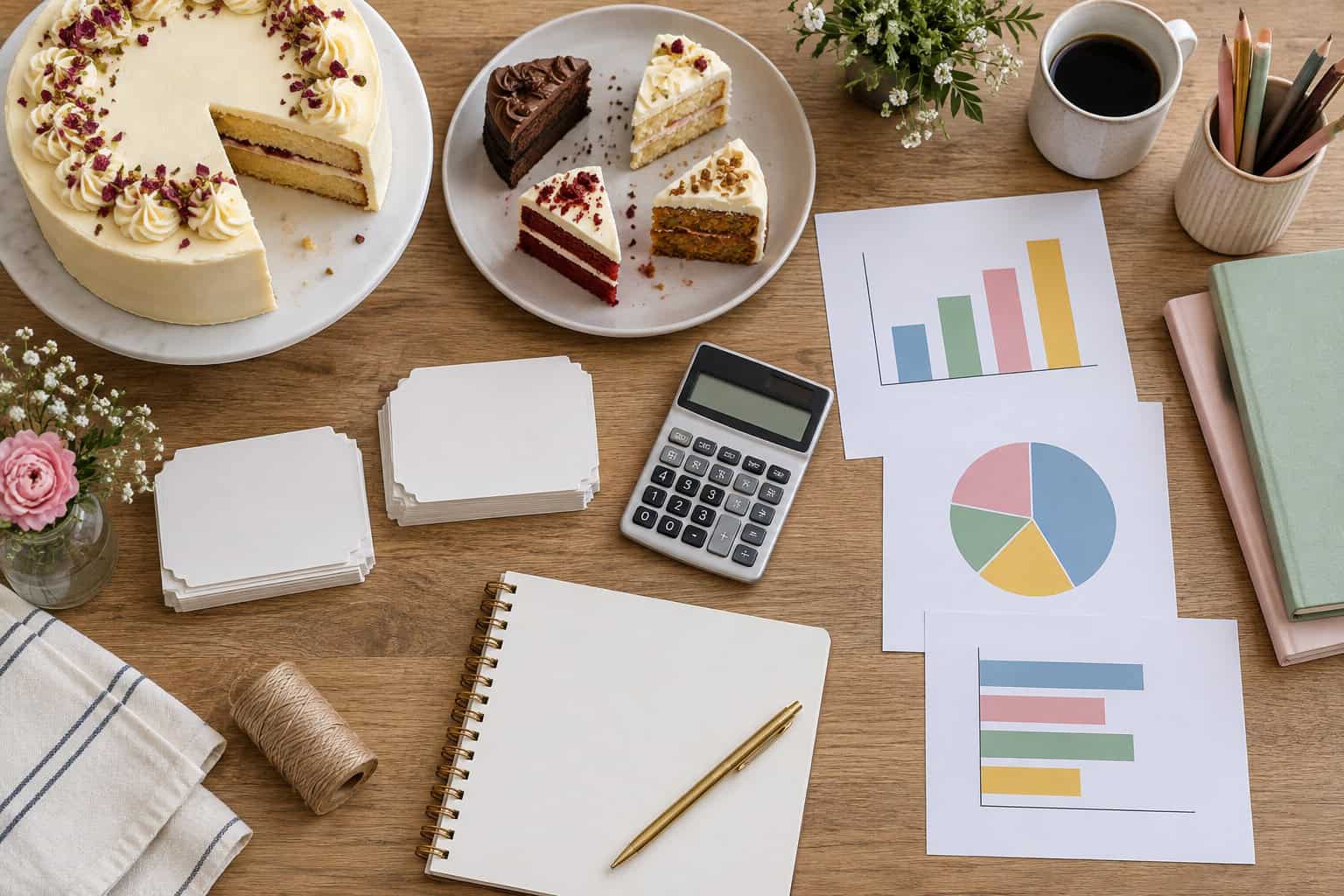
No article can guarantee that a home baker will earn a particular monthly amount. Demand, prices, capacity, waste, tax and local competition vary. Start with a target as a planning exercise: decide whether it means sales revenue, gross profit or money left after every cost and tax. Those three figures are not interchangeable.
Calculate realistic weekly capacity
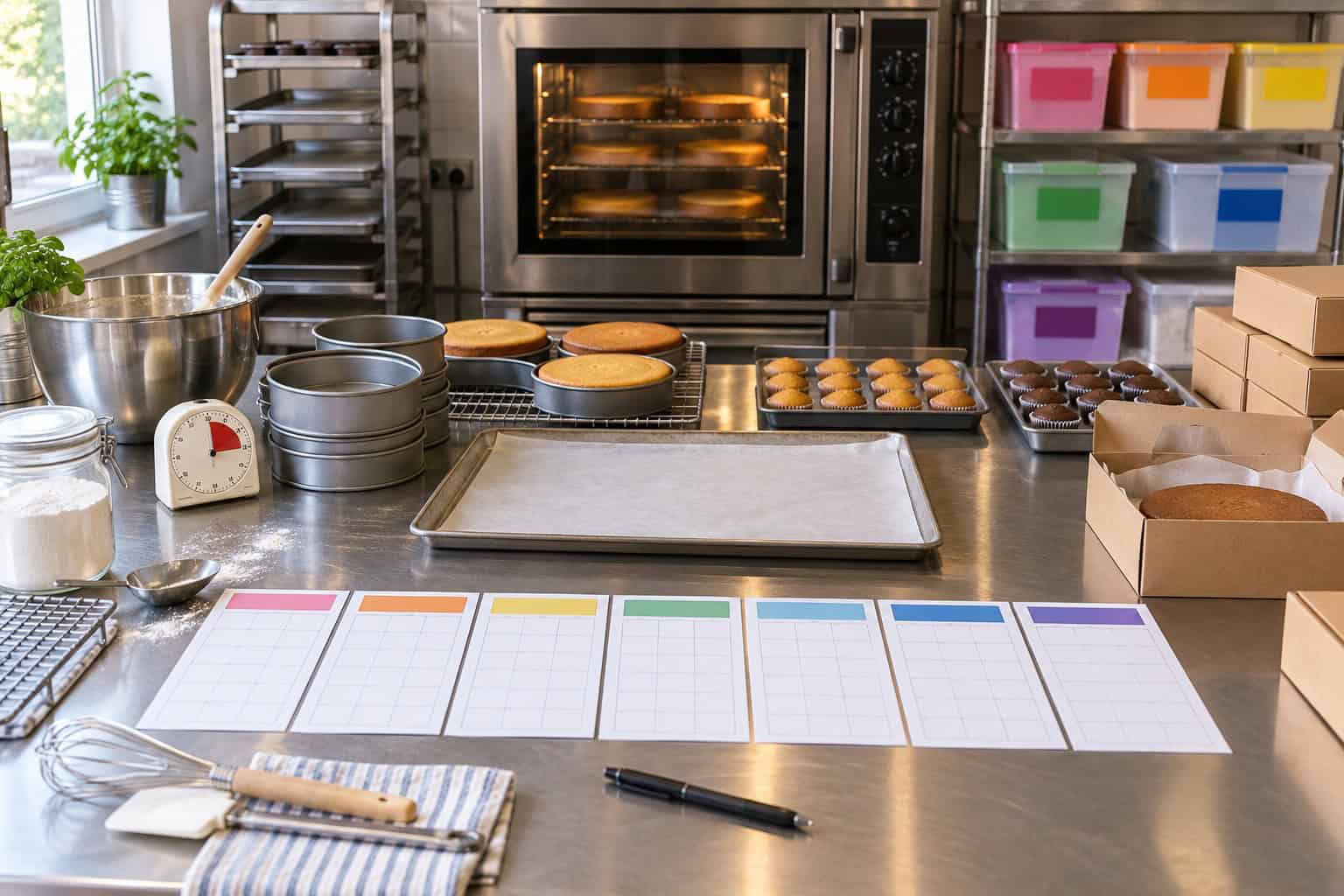
List each stage from shopping and baking to decorating, cleaning, packing and delivery. Time a normal order rather than a best-case attempt, then allow space for messages, changes and failed batches. A product range of two or three dependable cakes is easier to schedule than a large menu. Never accept more work than your kitchen, refrigeration and safe working hours can support.
Cost every cake completely
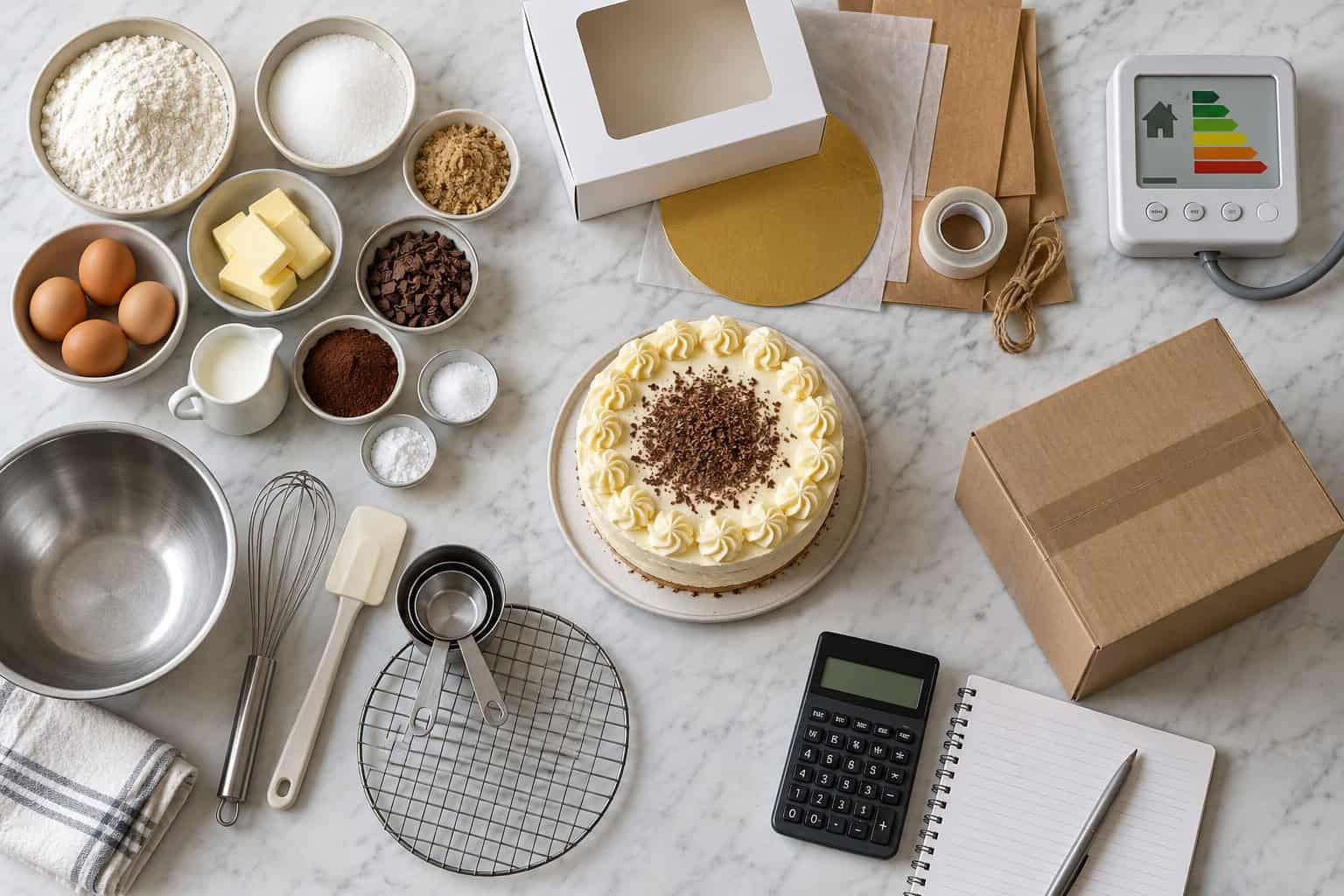
Record ingredients by the amount actually used, then add boards, boxes, labels, energy, delivery, card or platform fees, cleaning materials, equipment wear and paid working time. Divide shared overheads using a consistent method. Add a margin only after the full cost is known. Review supplier prices often, because a profitable price can become a loss when butter, chocolate or packaging changes.
Separate revenue from take-home pay
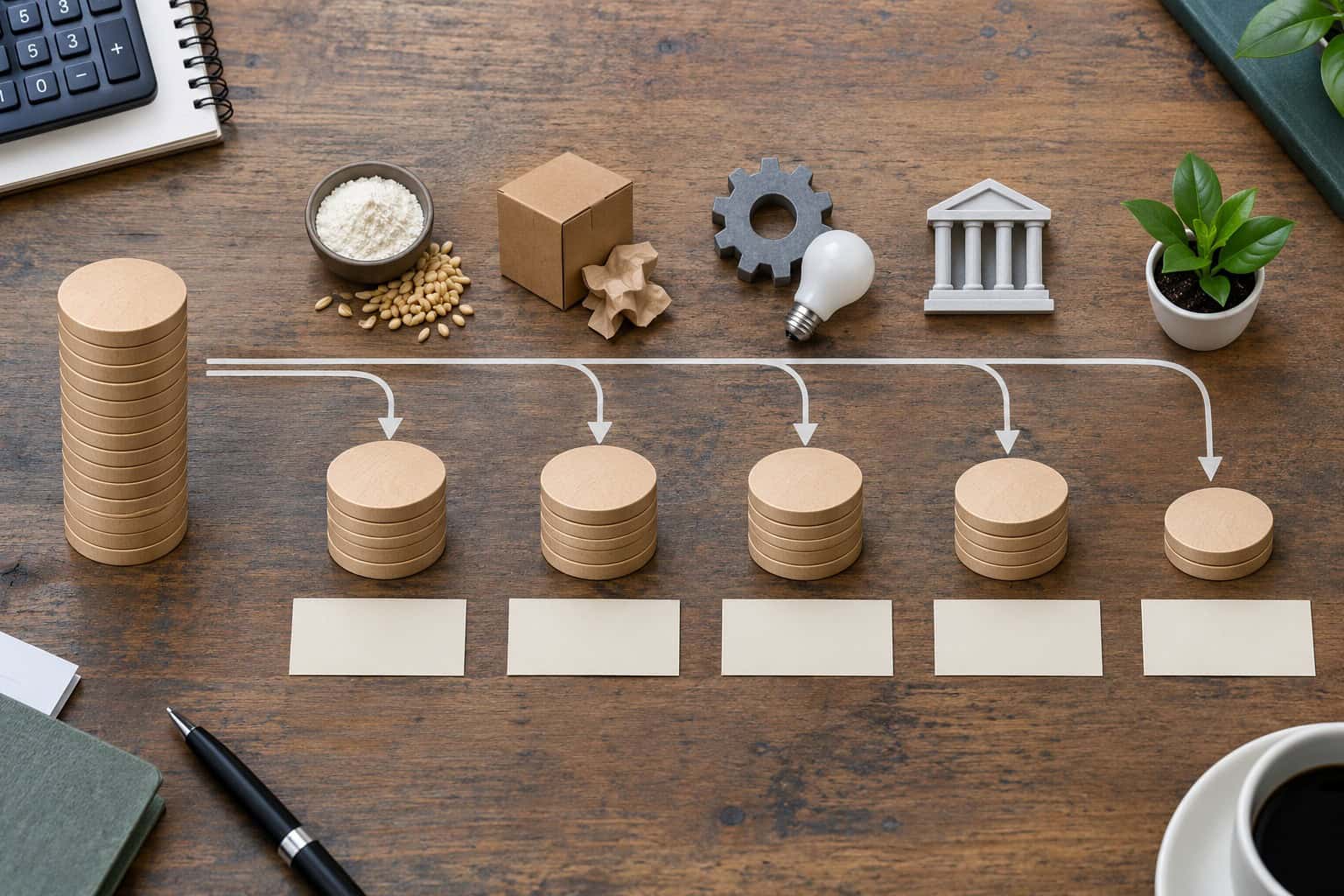
A simple worked plan is units sold multiplied by average selling price. From that revenue, subtract variable costs, allocated overheads, refunds, waste and tax provision. The remainder is not guaranteed profit until the records agree. Test several volumes and prices on paper, including a slow month, rather than publishing one attractive number as though every baker can achieve it.
Complete UK food and allergen duties
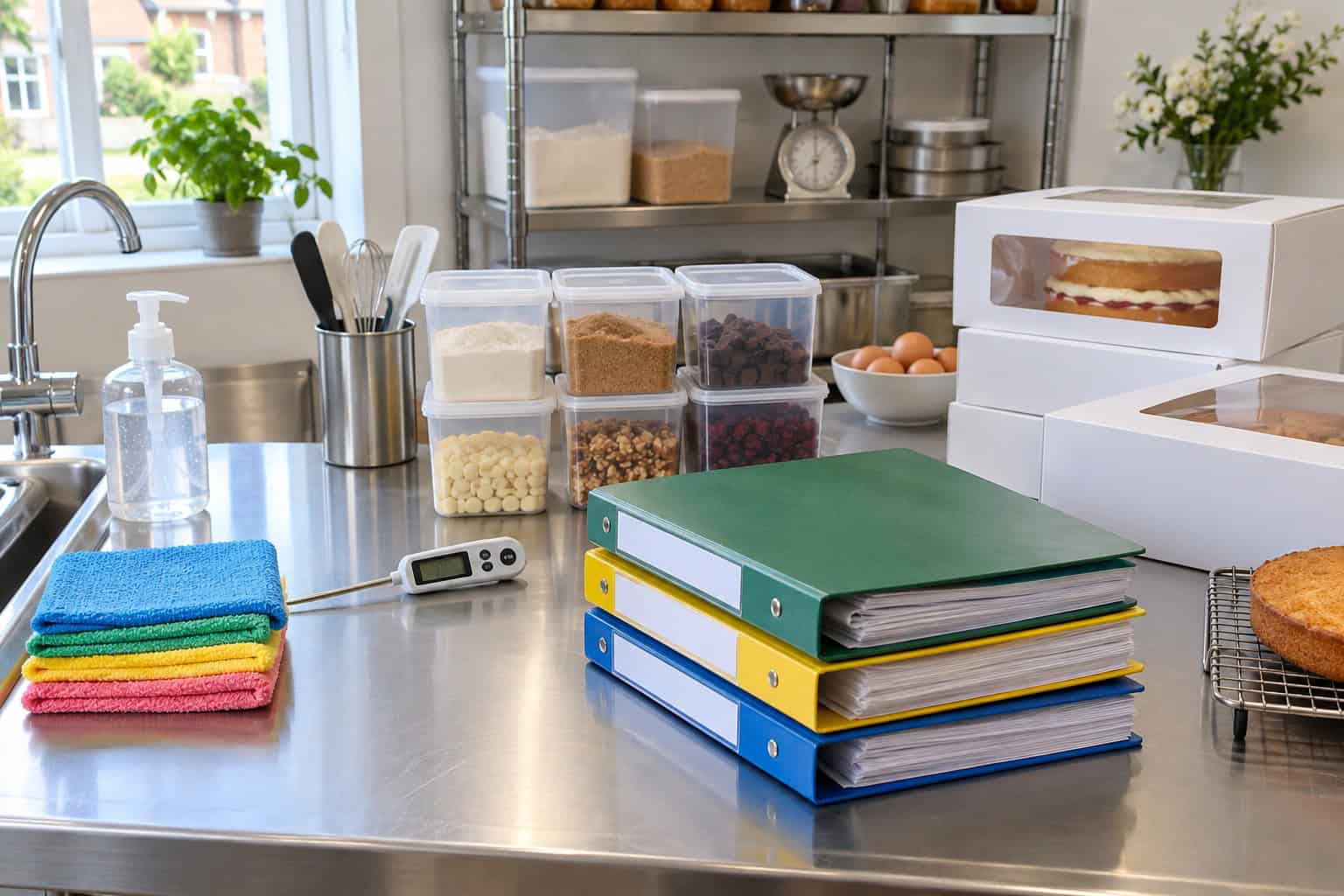
Contact the relevant local authority before trading and follow the current official food-business registration process. Registration is generally required at least 28 days before opening. Put food-safety procedures, traceability and cleaning records in place, provide accurate allergen information and obtain advice appropriate to England, Wales, Scotland or Northern Ireland. Use official food authority guidance rather than social-media checklists.
Build demand and review evidence
Photograph only products you made, state sizes clearly and use written order terms covering deposits, changes, collection and cancellations. Track enquiries, conversions, repeat orders, average order value and hours worked. After each month, compare the plan with actual figures and remove products that create waste or consume time without adequate return.
Frequently asked questions
Why was the original article rewritten?
The useful subject was retained, while unsafe instructions, unsupported promises or time-sensitive claims were corrected and clearly limited.
Is the result guaranteed?
No. Recipes, business results, benefits and finance decisions depend on ingredients, process, evidence, eligibility and individual assessment.
Which sources should be trusted for changing rules?
Use the responsible government department, regulator, local authority or participating institution, and check the publication date.
How should allergens be handled?
Check every ingredient and process, prevent cross-contact and provide accurate information before food is ordered or served.
Can an old price or threshold be reused?
No. Prices, income limits, costs and programme rules can change, so verify the current figure before acting.
What should be recorded?
Keep the recipe or calculation, ingredient or document evidence, dates, decisions and any official confirmation relevant to the action.