
Choose a baking sweetener carefully
Choose a granulated baking sweetener and use the manufacturer’s sugar-equivalent amount. Products differ greatly; polyols can cause digestive effects, and xylitol is highly toxic to dogs.
Mix a balanced cocoa batter
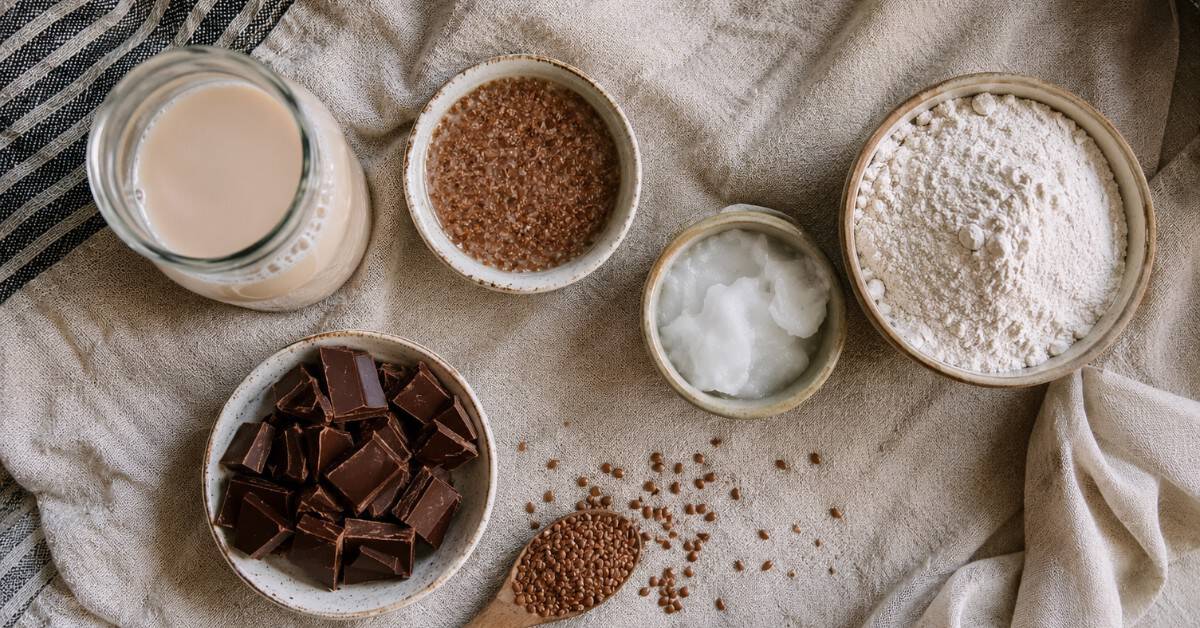
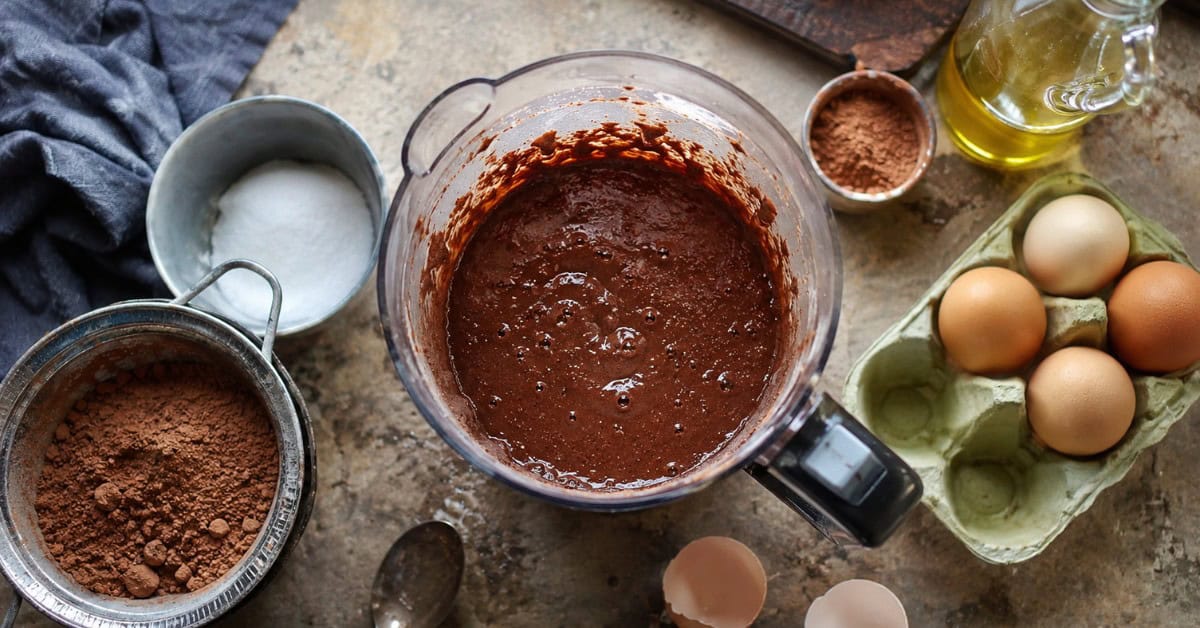
For a 24 cm cake, combine three eggs, 120 ml neutral oil, 240 ml milk, the chosen sweetener equivalent to about 180 g sugar, 220 g plain flour, 50 g cocoa, baking powder, vanilla and salt.
Bake without drying the cake
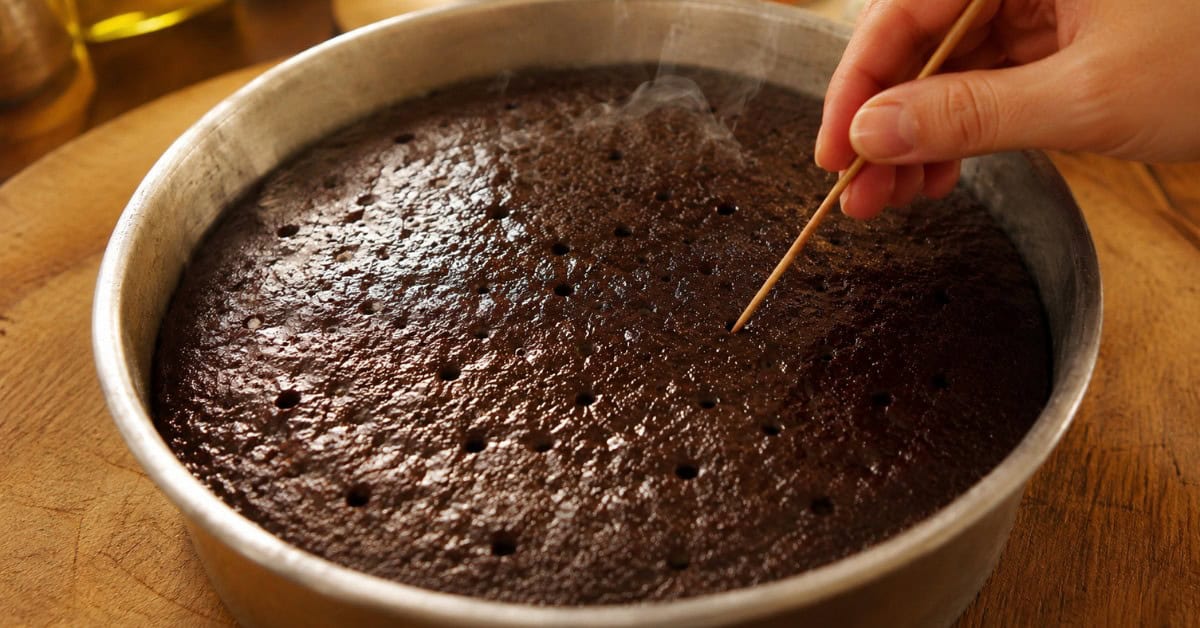
Blend wet ingredients, then fold in sifted dry ingredients without overmixing. Bake at 180°C, or 160°C fan, until a skewer has moist crumbs but no raw batter.
Add a measured chocolate soak
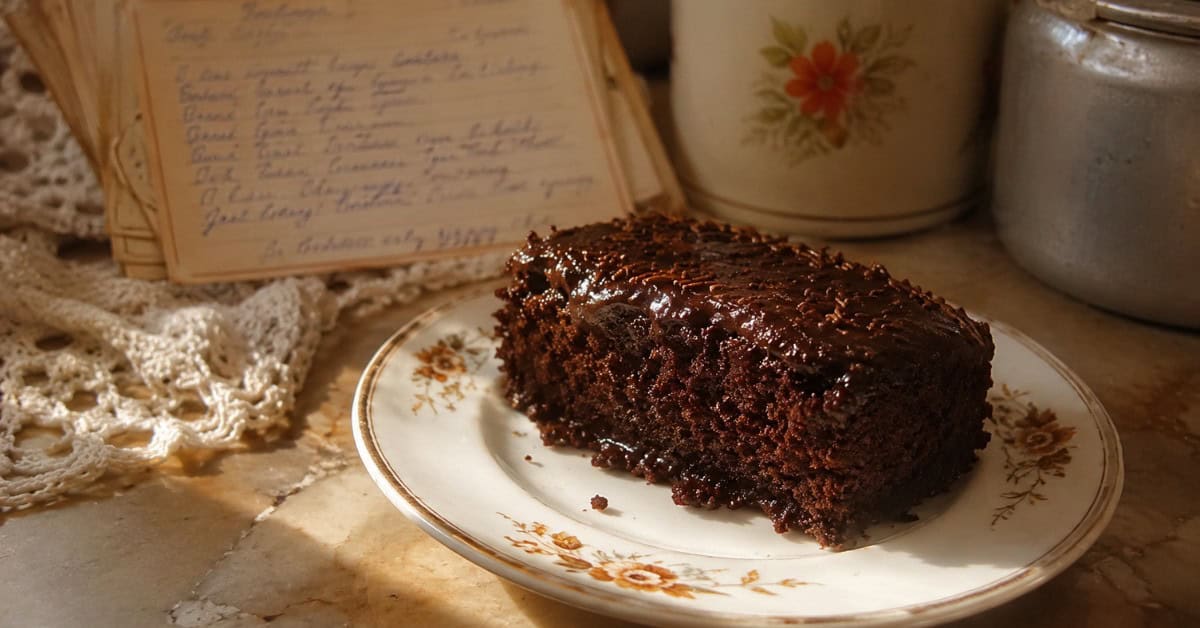
Warm milk with cocoa, butter and a small amount of the same sweetener, then spoon a measured quantity over the hot pierced cake. Too much makes it sodden.
Make an optional ganache
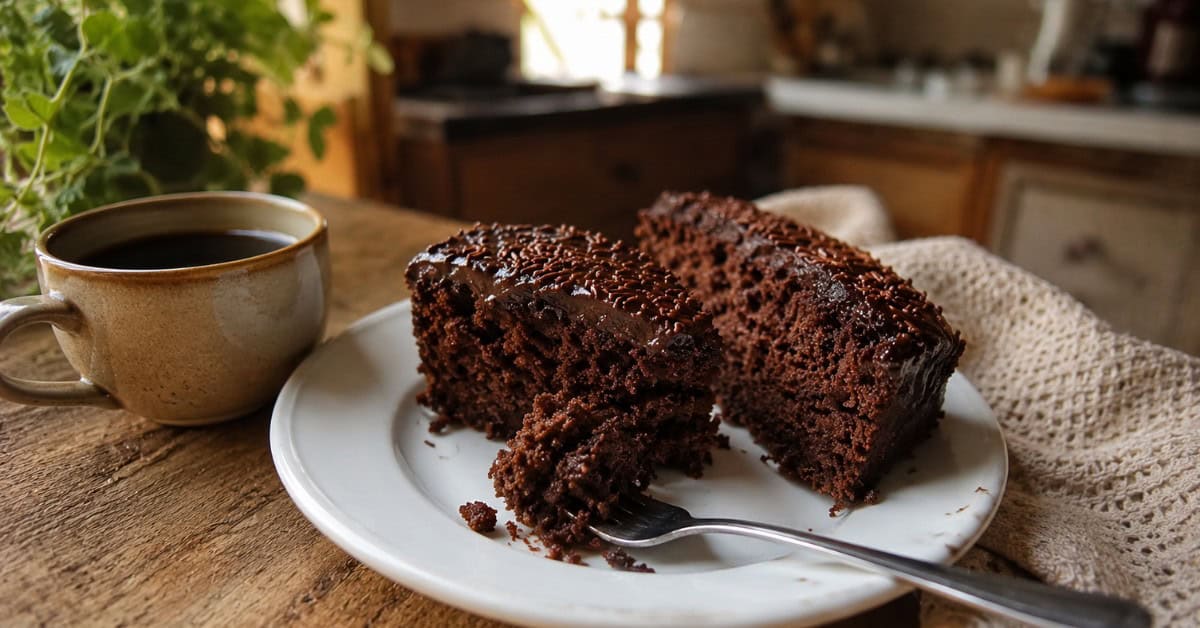
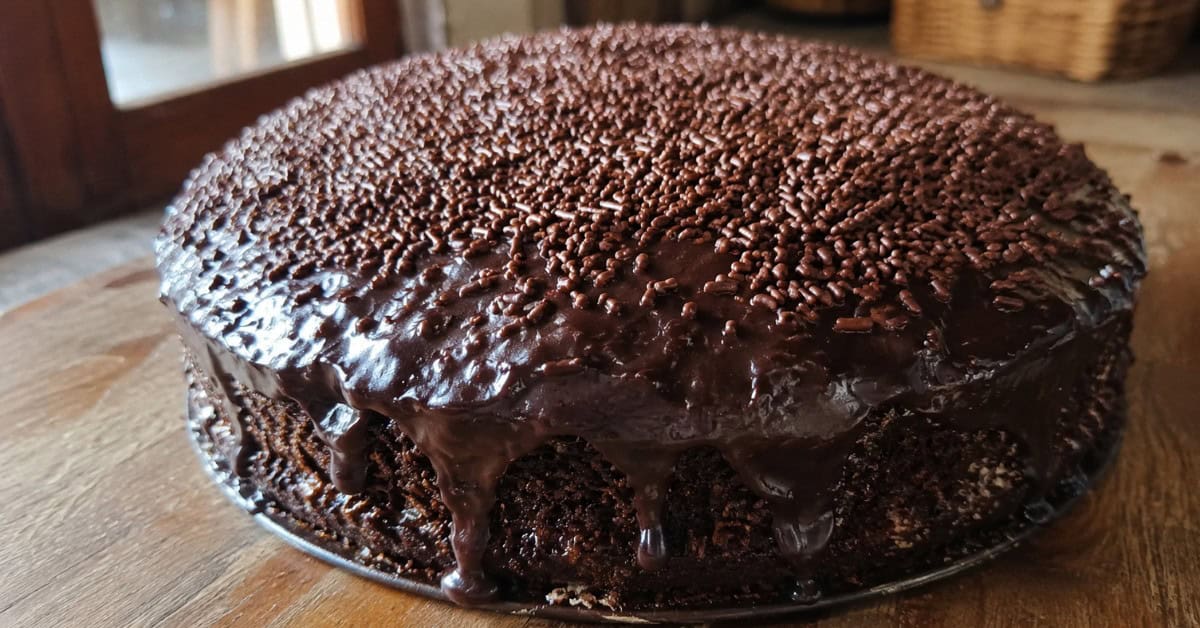
For ganache, pour hot cream over chopped no-added-sugar chocolate and stir until smooth. Check its sweeteners and allergens before combining products.
Label the cake accurately
Describe the cake as no added sugar only when every ingredient supports that claim. It still contains carbohydrate and is not automatically suitable for diabetes.
Frequently asked questions
Why was the source rewritten?
Unsafe, unsupported or technically unreliable advice was corrected while preserving the useful subject.
How should allergens be handled?
Check every current pack, prevent cross-contact and provide accurate ingredient information.
Can storage time be copied from another recipe?
No. Validate it for the actual ingredients, hygiene, process, packaging and temperature.
Can quantities be changed freely?
Changes to water, fat, sugar, alcohol or acidity can alter texture, safety and keeping quality.
Are health or nutrition claims automatic?
No. They require the complete formulation, a defined portion and suitable evidence.
What should be recorded during testing?
Record exact weights, temperatures, times, yield, storage and the result of every controlled trial.