
Use only sweet cassava from a reliable source
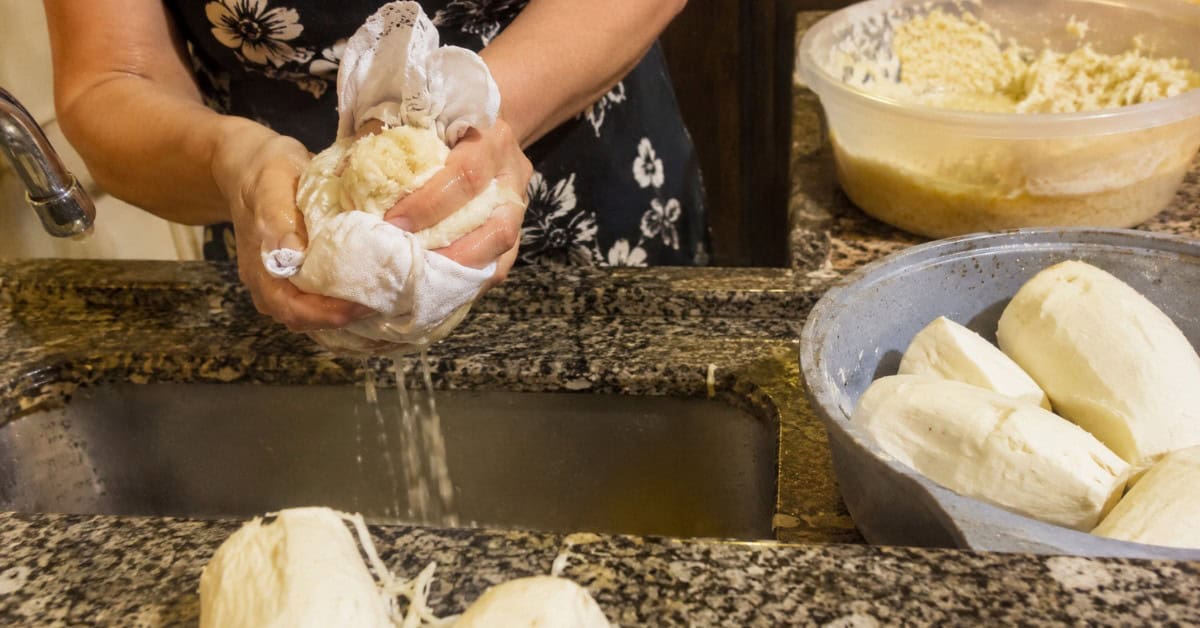
Use fresh or frozen sweet cassava sold for cooking. Do not use bitter, wild or unidentified cassava, and follow the supplier’s preparation instructions.
Prepare the cassava safely
Peel fresh roots completely, remove any tough central fibre, wash and grate them. Lightly squeeze excess free liquid, but do not dry the cassava into a hard mass. Never taste it raw.
Mix a rich balanced batter
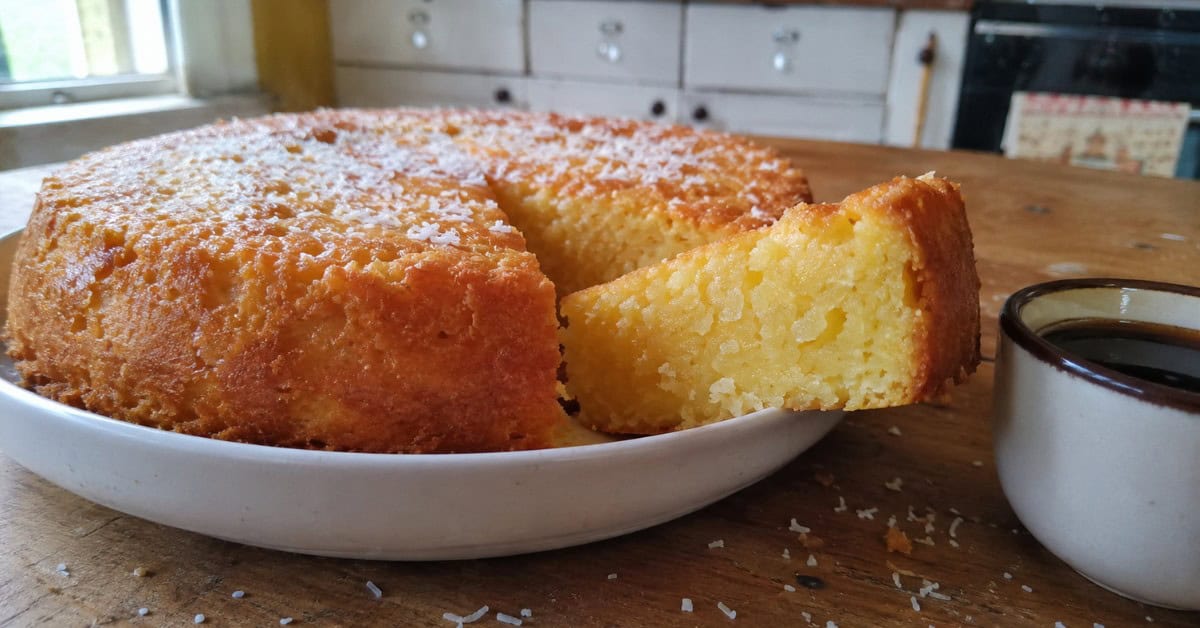
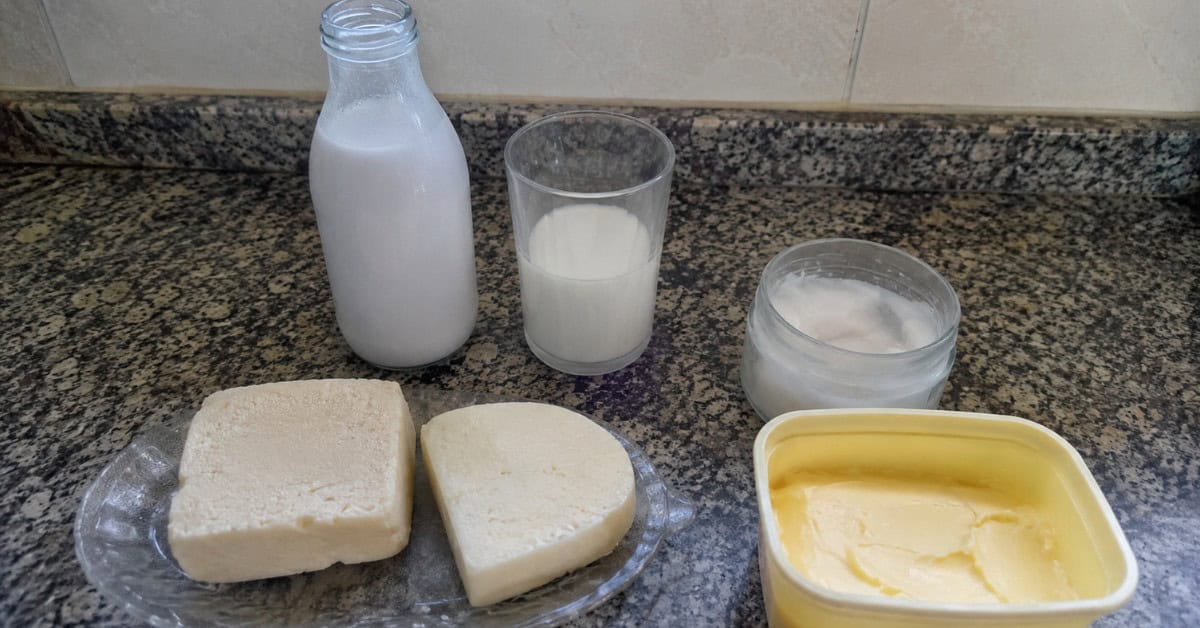
Combine 500 g prepared grated cassava with three eggs, 180 g sugar, 100 g melted butter, 240 ml full-fat coconut milk, 100 g grated firm cheese, baking powder and salt.
Bake the centre thoroughly
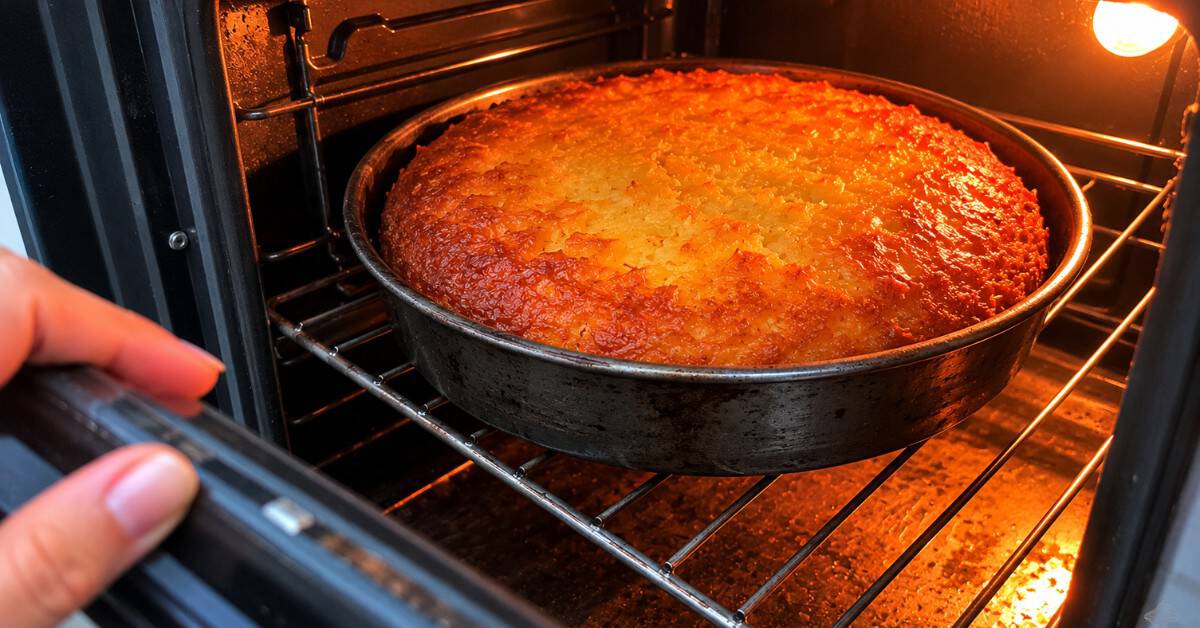
Spread in a greased 22 cm tin and bake at 180°C, or 160°C fan, until deeply golden and fully set through the centre, usually longer than an ordinary flour cake.
Cool before judging the texture
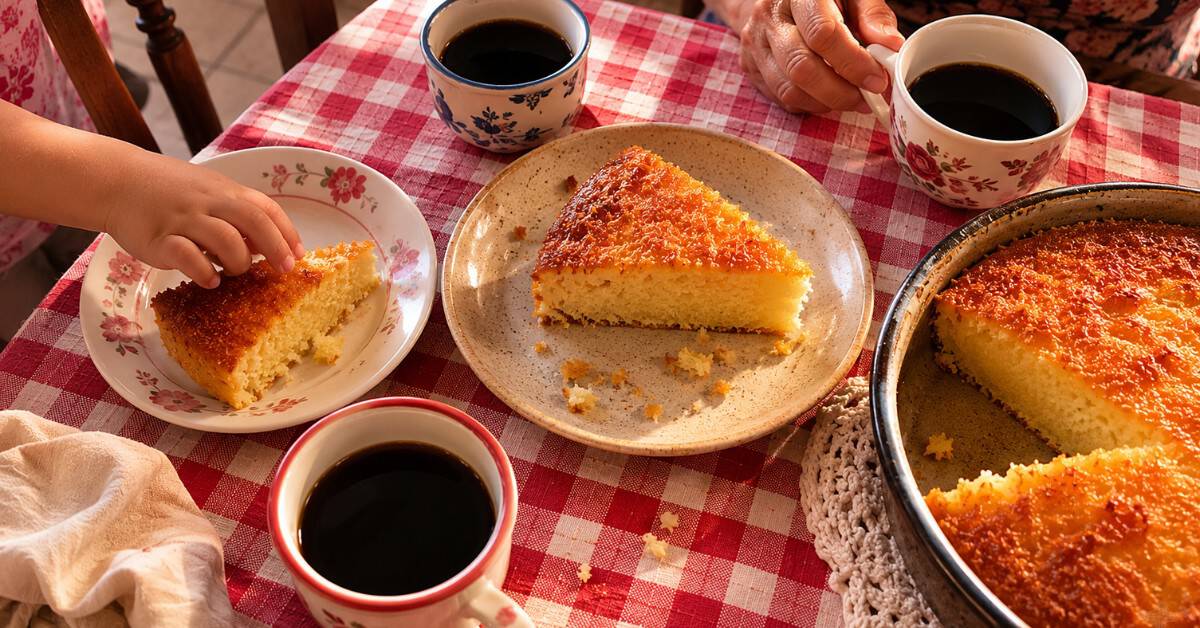
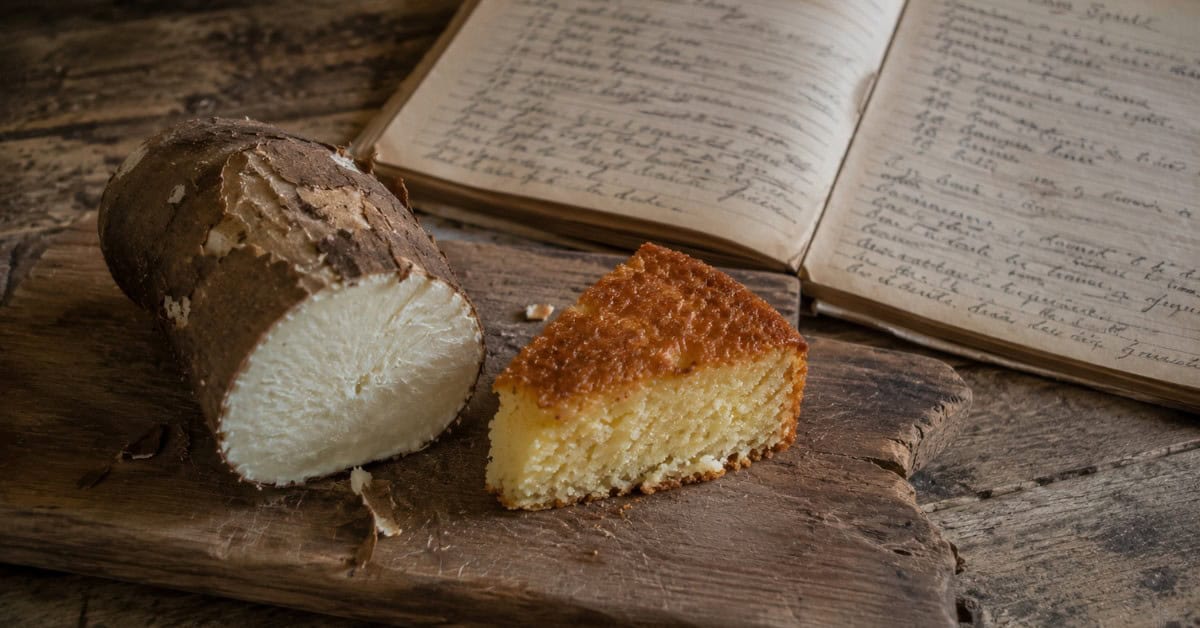
Cool before slicing because the starch continues to set. Refrigerate leftovers containing egg, dairy and coconut, and reheat only as needed.
Frequently asked questions
Why was the source rewritten?
Unsafe, unsupported or technically unreliable advice was corrected while preserving the useful subject.
How should allergens be handled?
Check every current pack, prevent cross-contact and provide accurate ingredient information.
Can storage time be copied from another recipe?
No. Validate it for the actual ingredients, hygiene, process, packaging and temperature.
Can quantities be changed freely?
Changes to water, fat, sugar, alcohol or acidity can alter texture, safety and keeping quality.
Are health or nutrition claims automatic?
No. They require the complete formulation, a defined portion and suitable evidence.
What should be recorded during testing?
Record exact weights, temperatures, times, yield, storage and the result of every controlled trial.