
Correct the timeline first
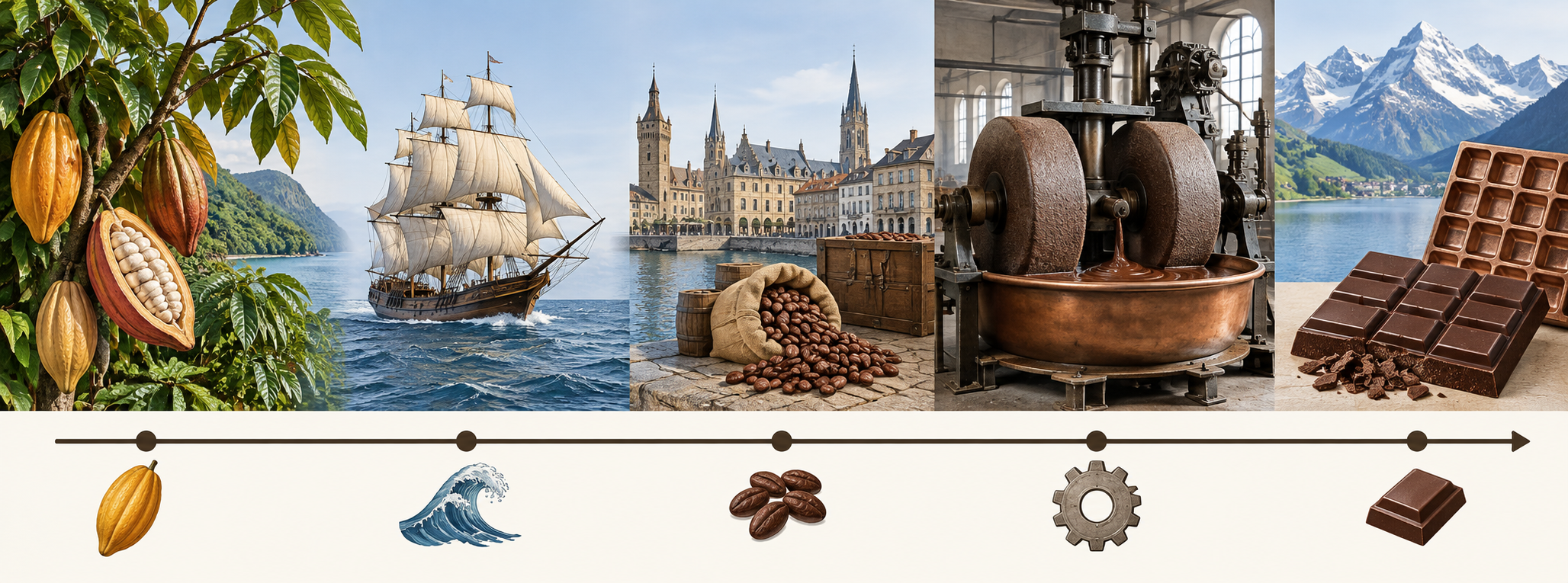
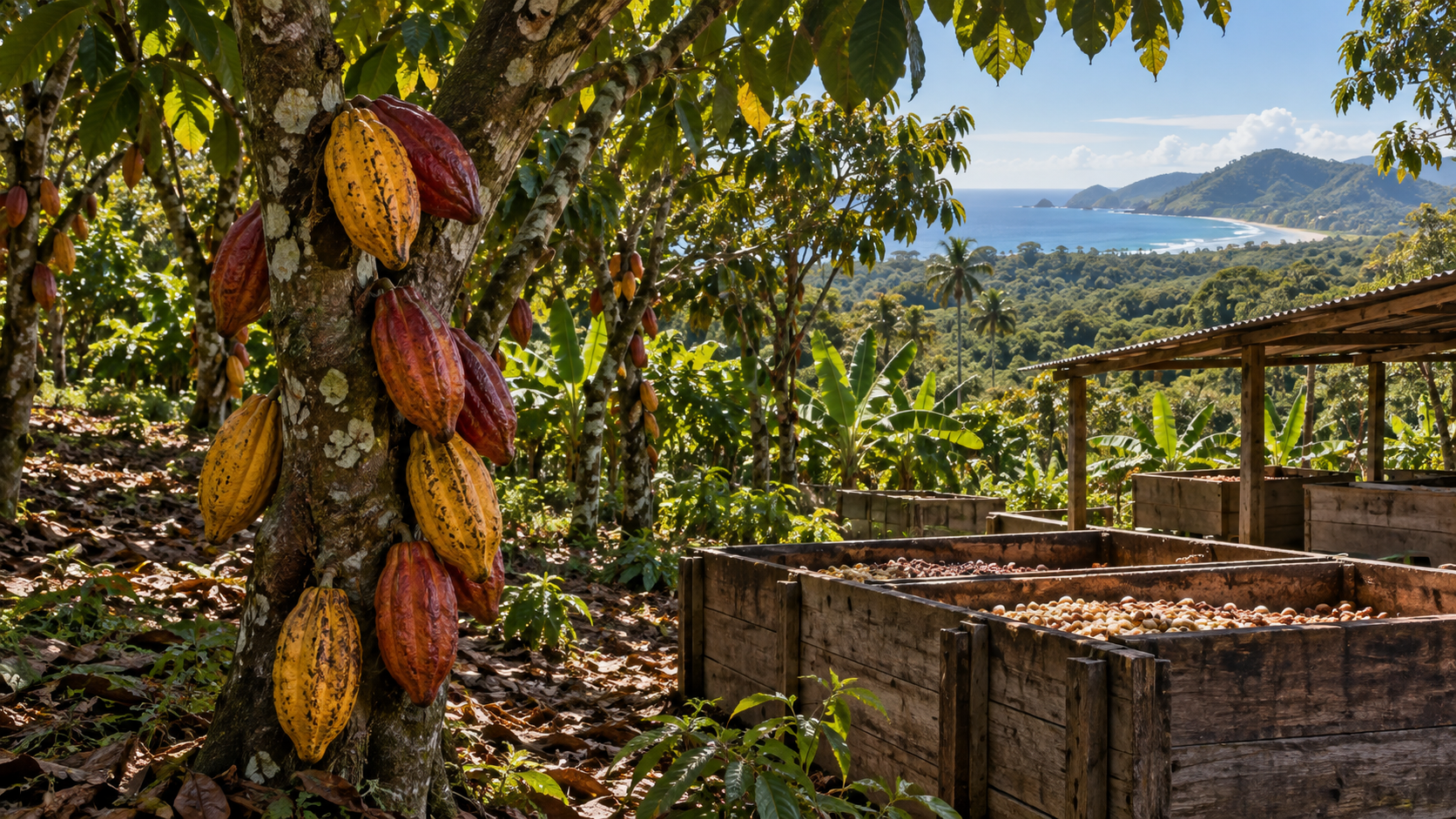
Cacao is native to the Americas and did not enter European consumption until after Atlantic contact. A medieval Swiss chocolate culture or monastery industry therefore cannot be historically correct.
Explain why medieval Switzerland is impossible
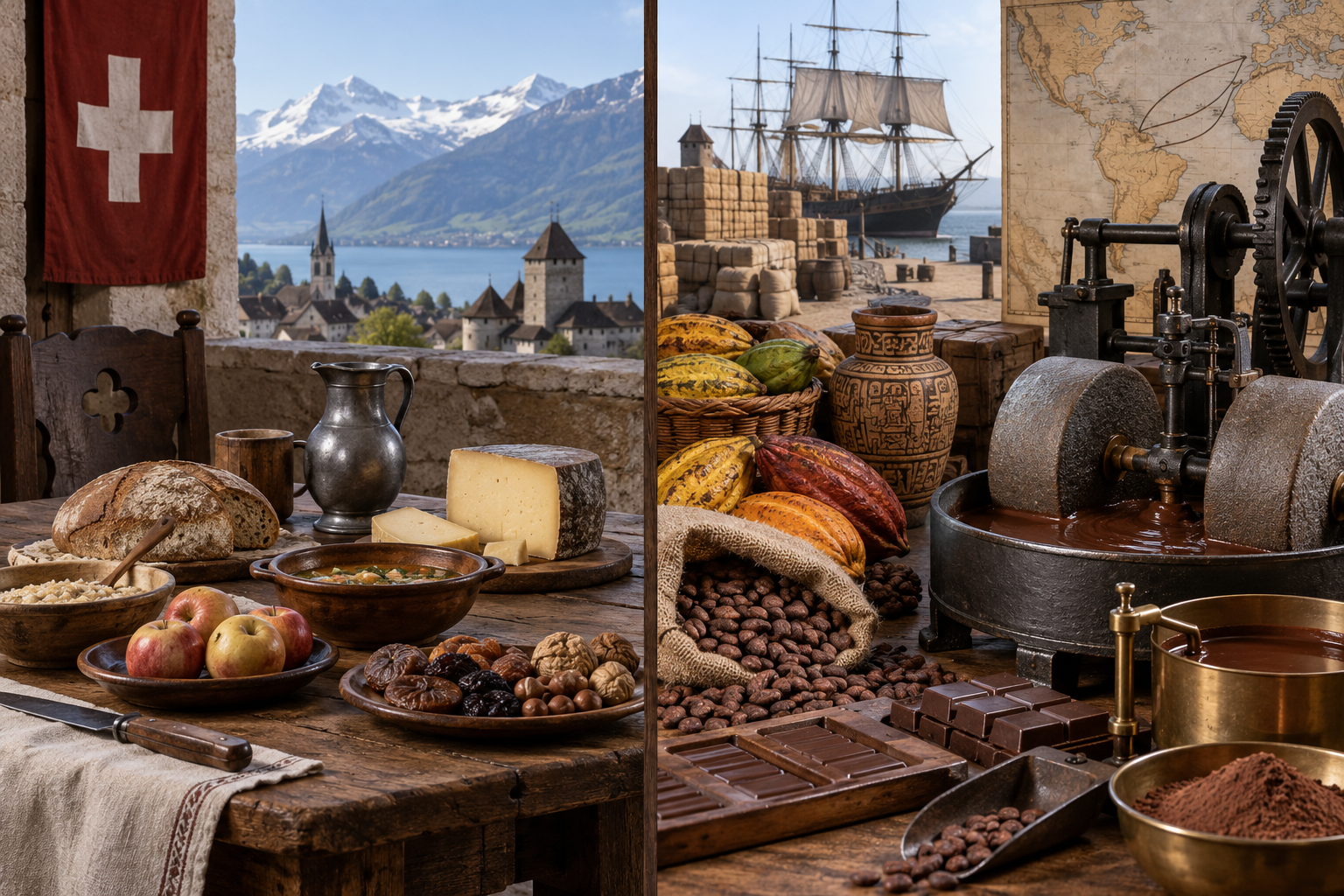
The European Middle Ages conventionally ended around the late fifteenth century, just as cacao knowledge began moving through Iberian colonial networks. Switzerland’s famous chocolate industry developed much later.
Follow the documented Swiss industry
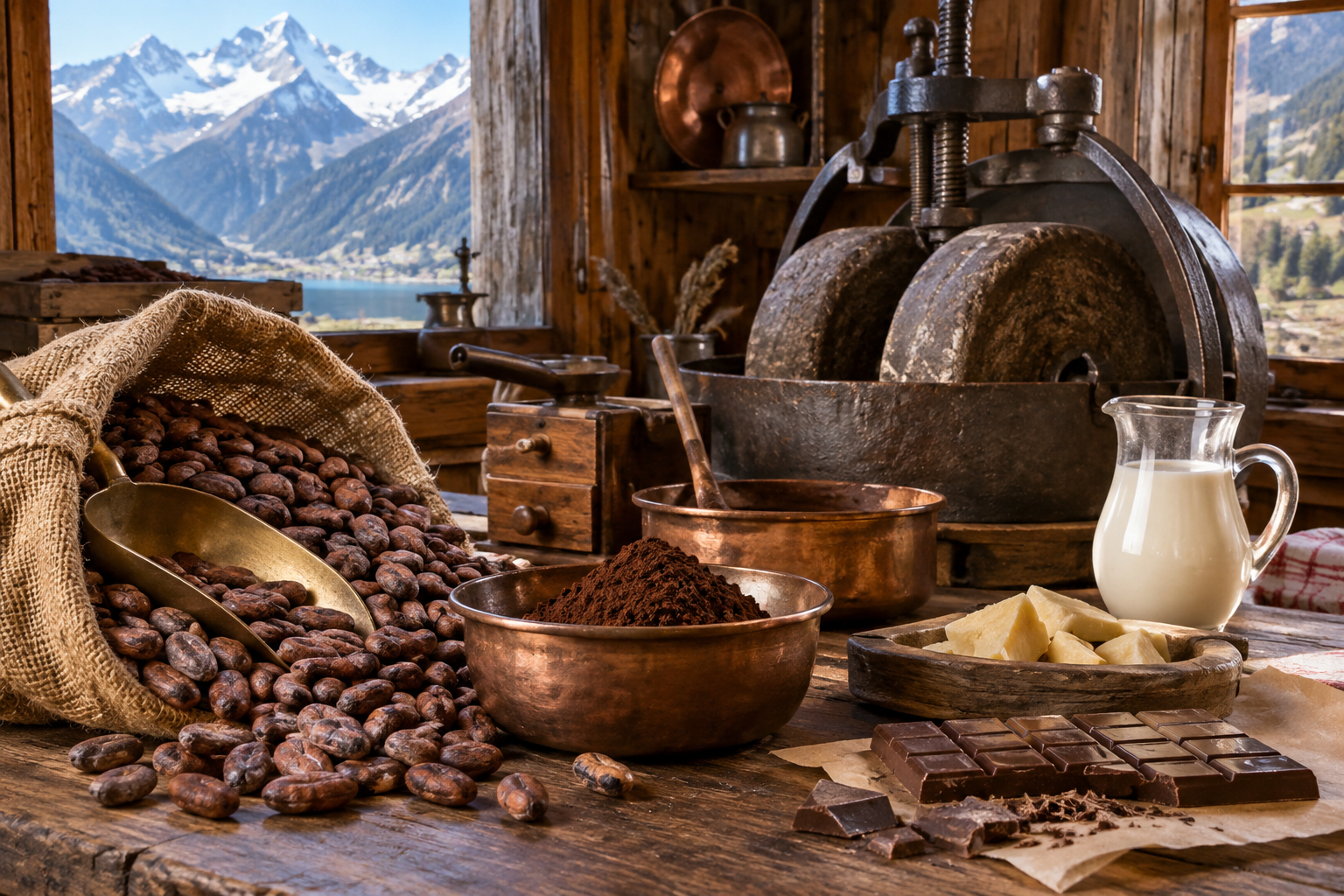
Nineteenth-century Swiss makers contributed techniques and products associated with modern milk chocolate, conching and industrial manufacture. Individual priority claims still need dates, patents, business records and careful wording.
Separate religion from chocolate manufacture
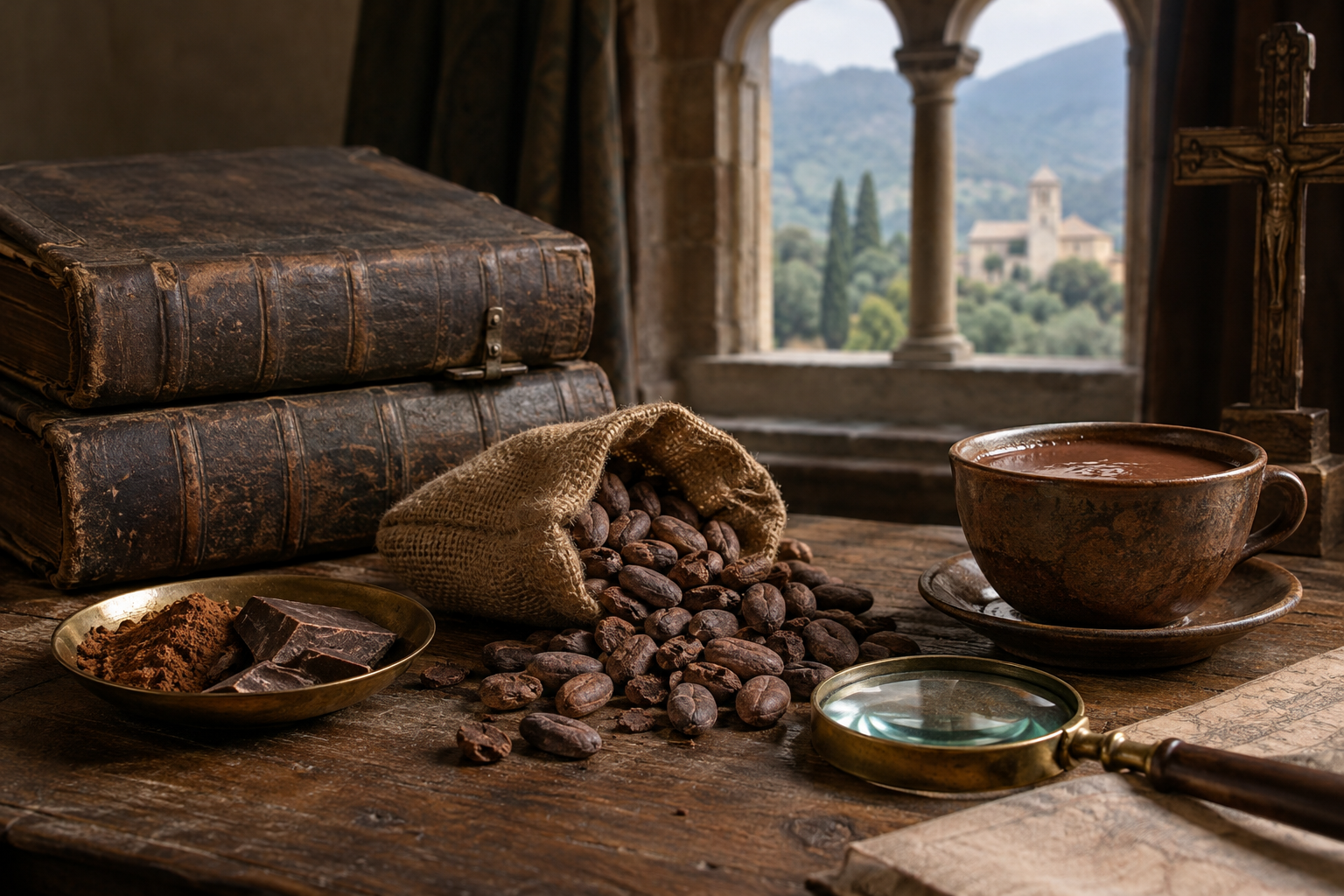
European debates about chocolate and fasting involved Catholic authorities in some places, but this does not prove that Swiss monasteries invented or perfected chocolate. Religious history and industrial history should be sourced separately.
Recognise colonial supply chains
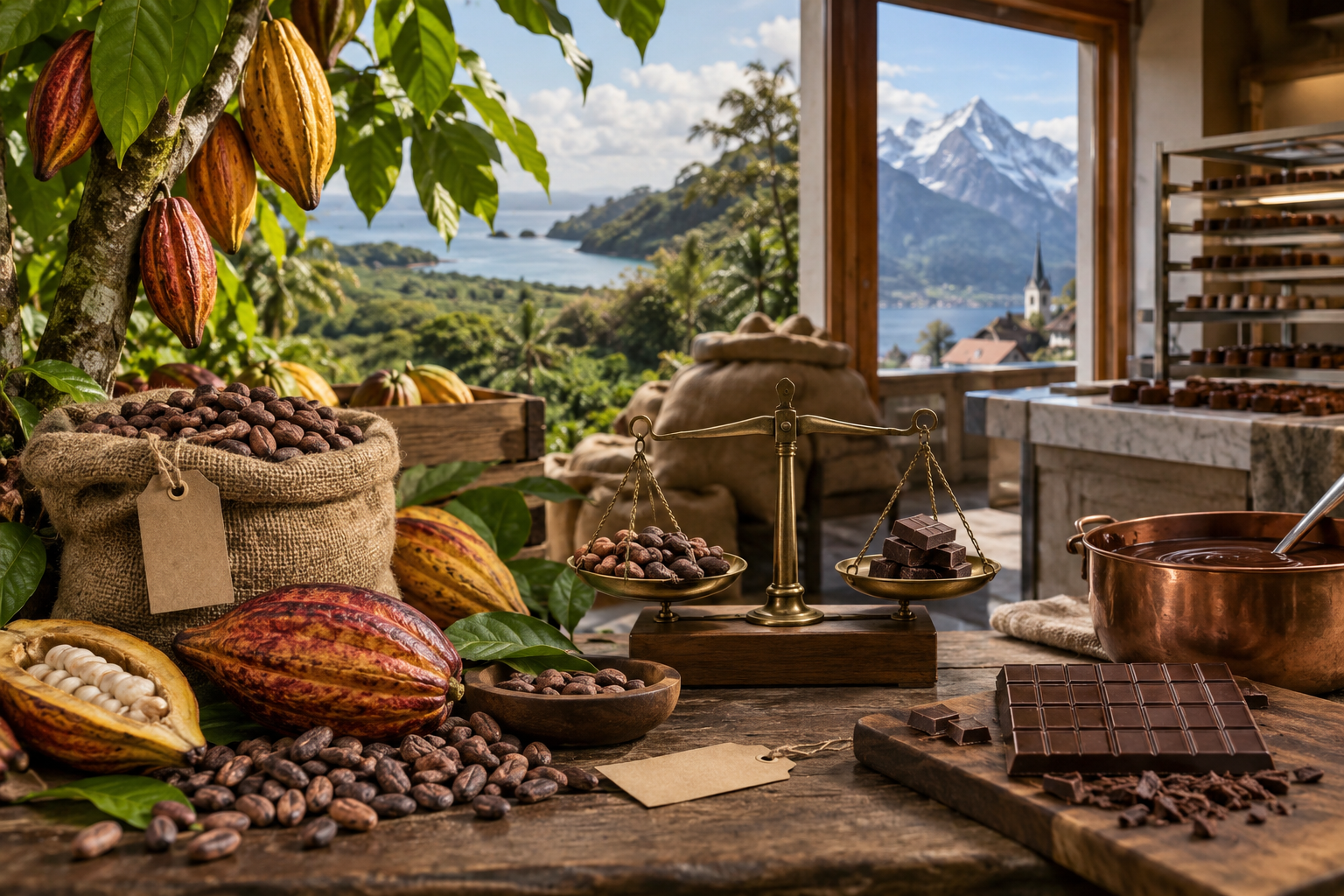
Swiss production relied on imported cacao and sugar. Any celebratory account should acknowledge labour, colonial trade and today’s continuing concerns about farmer income, deforestation and traceability.
Visit history with reliable sources
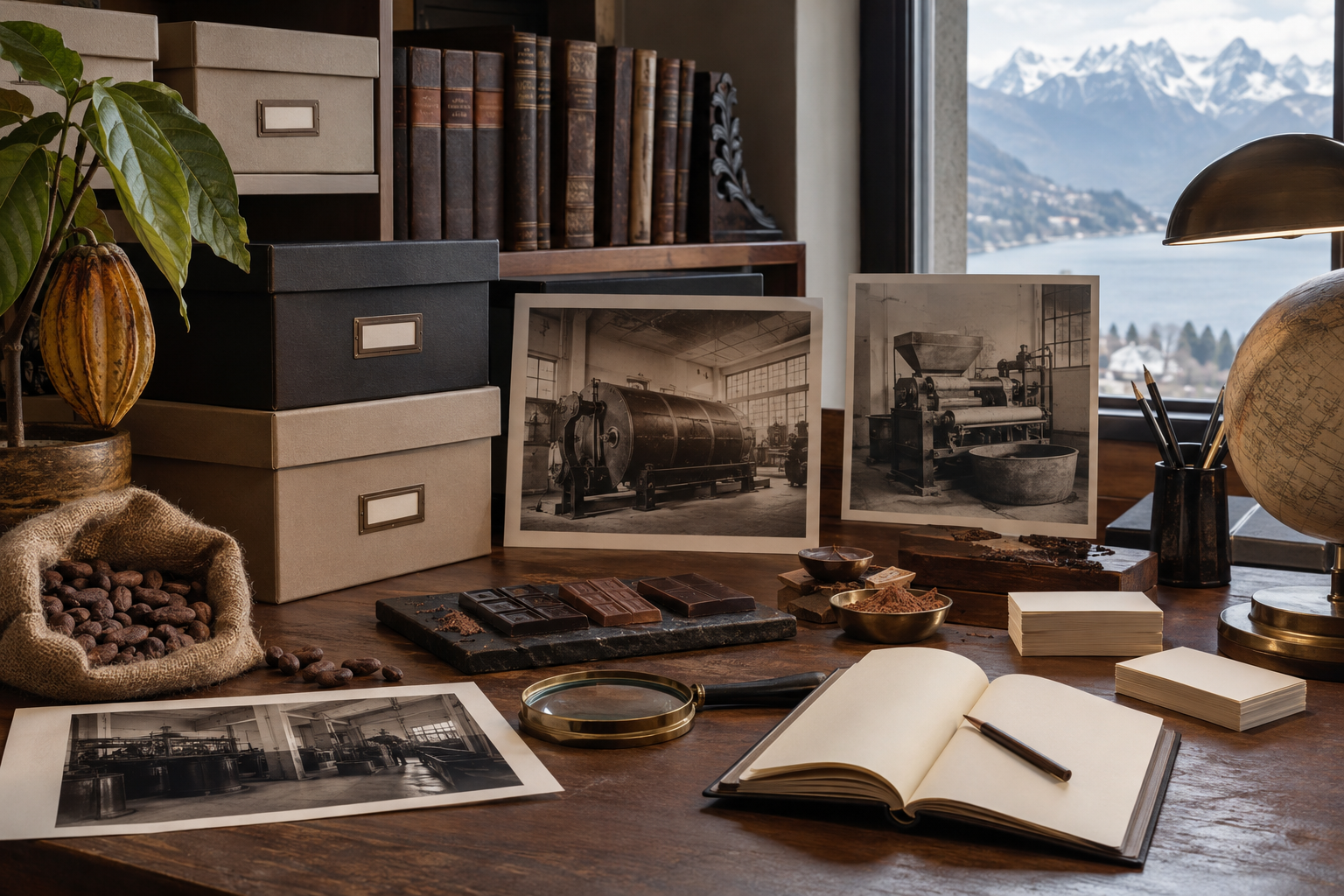
Use museum collections, company archives with caution, academic histories and dated primary documents. Treat picturesque monastery stories as myths unless a specific contemporary source supports them.
Frequently asked questions
Why was the original article rewritten?
Unsupported historical, commercial, cultural or safety claims were replaced with cautious practical guidance while preserving the useful subject.
How should a famous “first” be checked?
Use named contemporary evidence such as an archive, patent, menu, catalogue or well-supported specialist history.
Can promotional language be treated as evidence?
No. Advertising and event copy can suggest leads, but independent evidence is needed for factual claims.
What should be checked before serving chocolate?
Check ingredients, allergens, storage, temperature, shelf life and cross-contact risks.
Does expensive or limited chocolate guarantee quality?
No. Price and scarcity may reflect many factors; ingredients, traceability, freshness and sensory quality still need assessment.
How should an adaptation be described?
State clearly which details are modern choices and which are supported by historical or technical sources.