
Place chocolate in seventeenth-century France
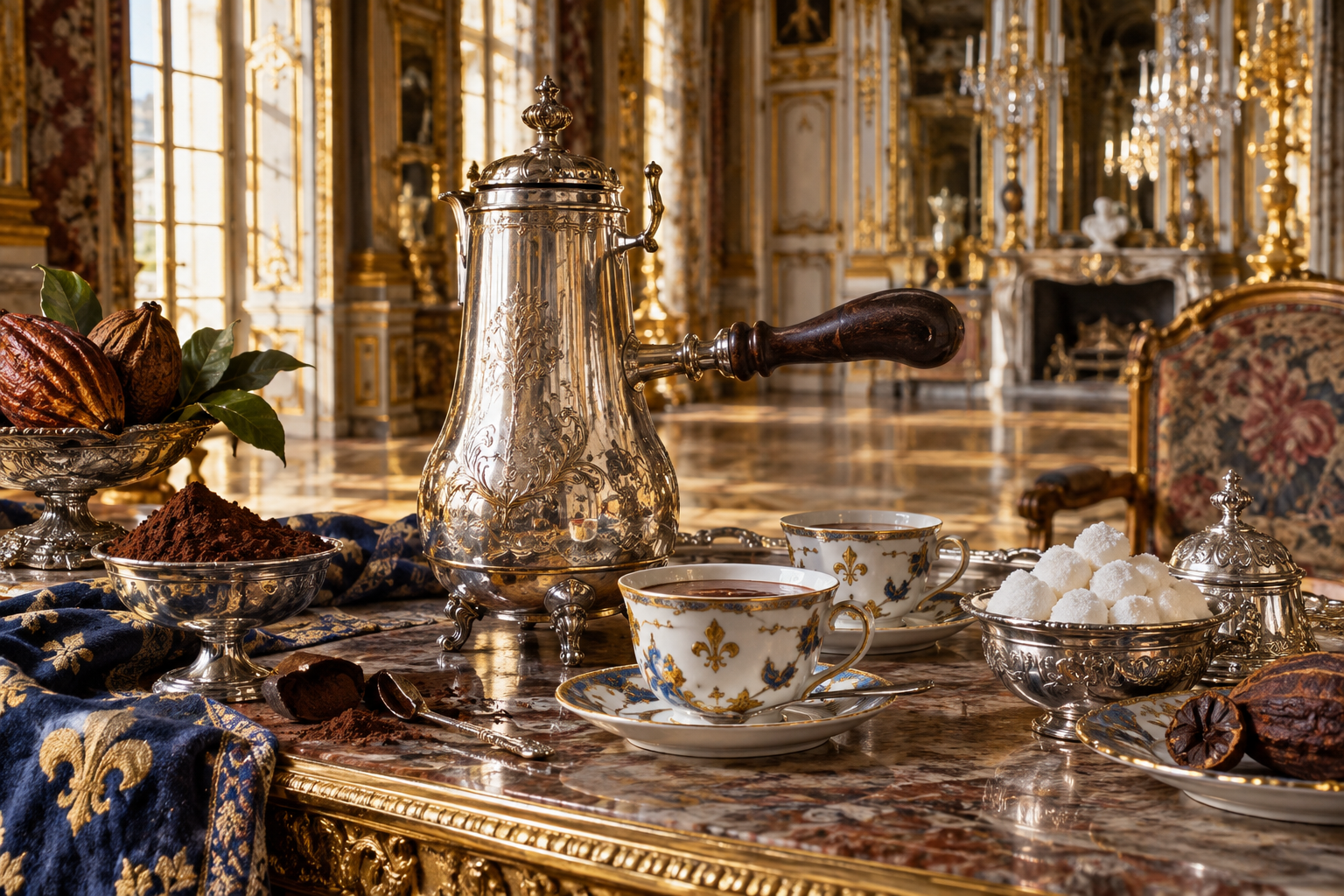
Chocolate reached elite French circles before and during the reign of Louis XIV, through European trade and colonial networks. It remained expensive and socially marked rather than an everyday ingredient for everyone.
Treat court stories cautiously
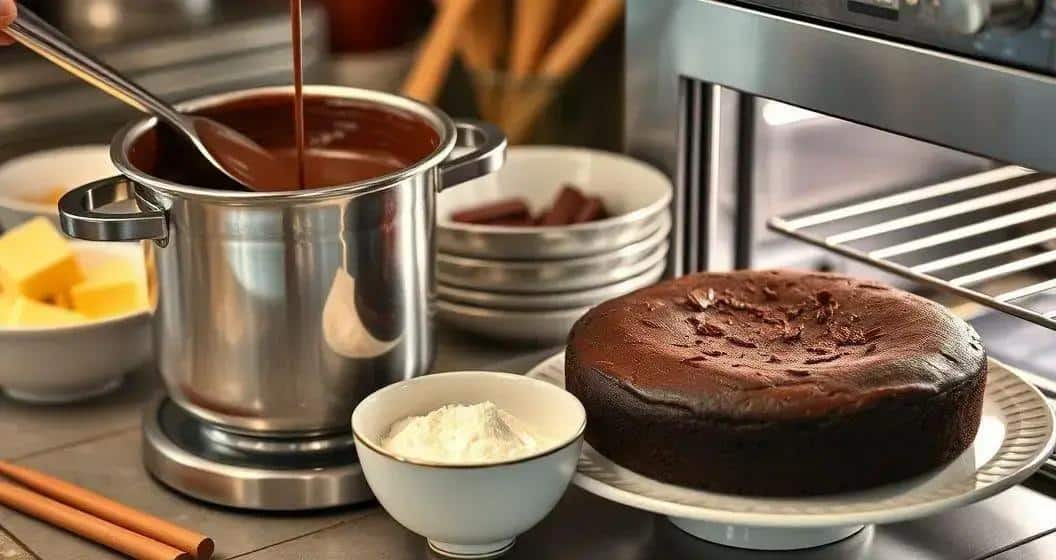
Named favourites, ceremonial details and quotations about Versailles should be tied to contemporary letters, inventories or household records. Repeated anecdotes are useful leads, not proof by themselves.
Understand the drink before the dessert
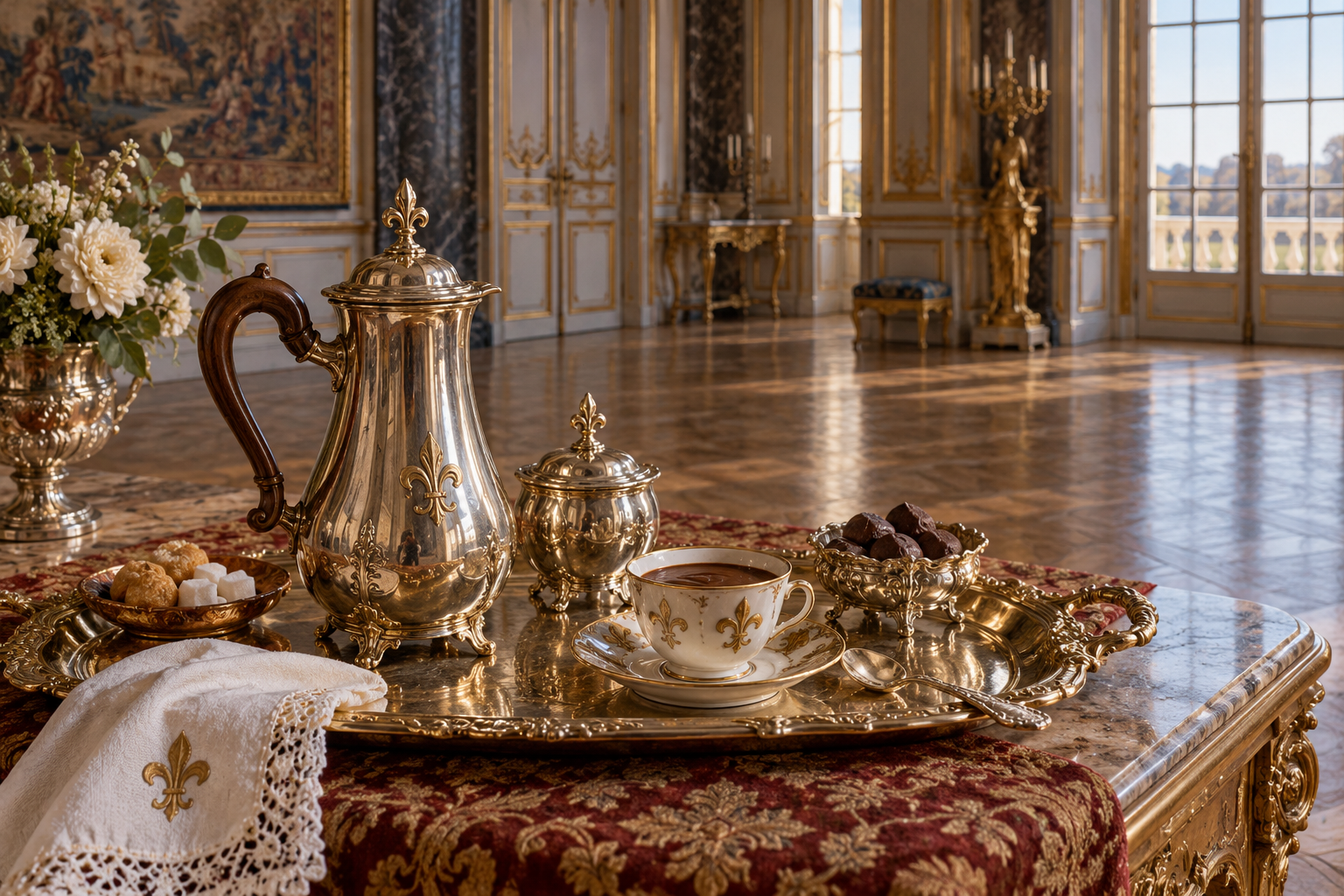
Court chocolate was primarily a prepared drink, often sweetened and sometimes flavoured. Modern mousse, fondant and layered cake belong to later culinary traditions and should not be presented as dishes served to Louis XIV without evidence.
Read luxury and medicine claims critically
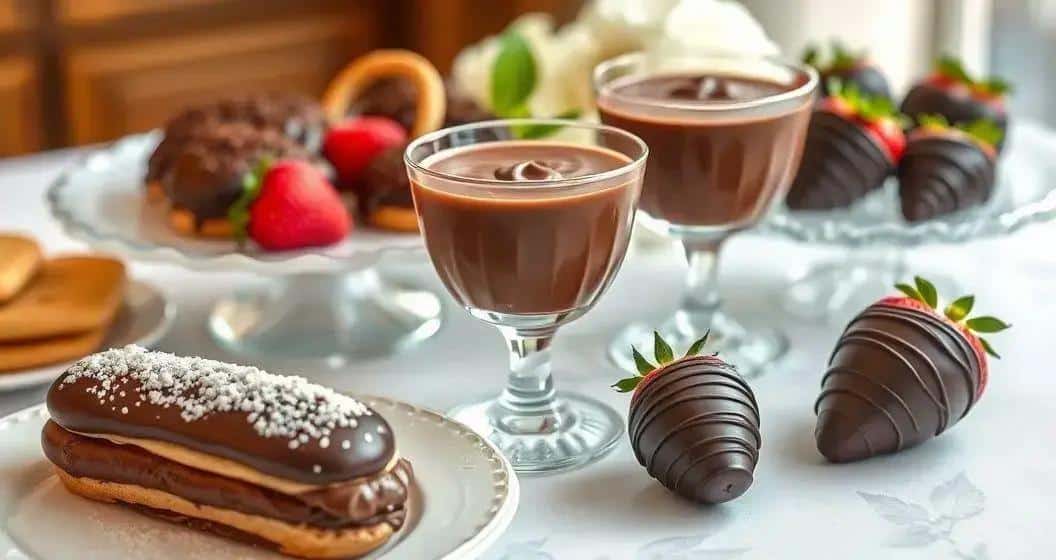
Early European writing mixed pleasure, status and medical theory. These sources reveal historical beliefs but do not establish modern health benefits, and the trade depended on exploitative colonial systems that should not be hidden.
Recreate a modest modern cup
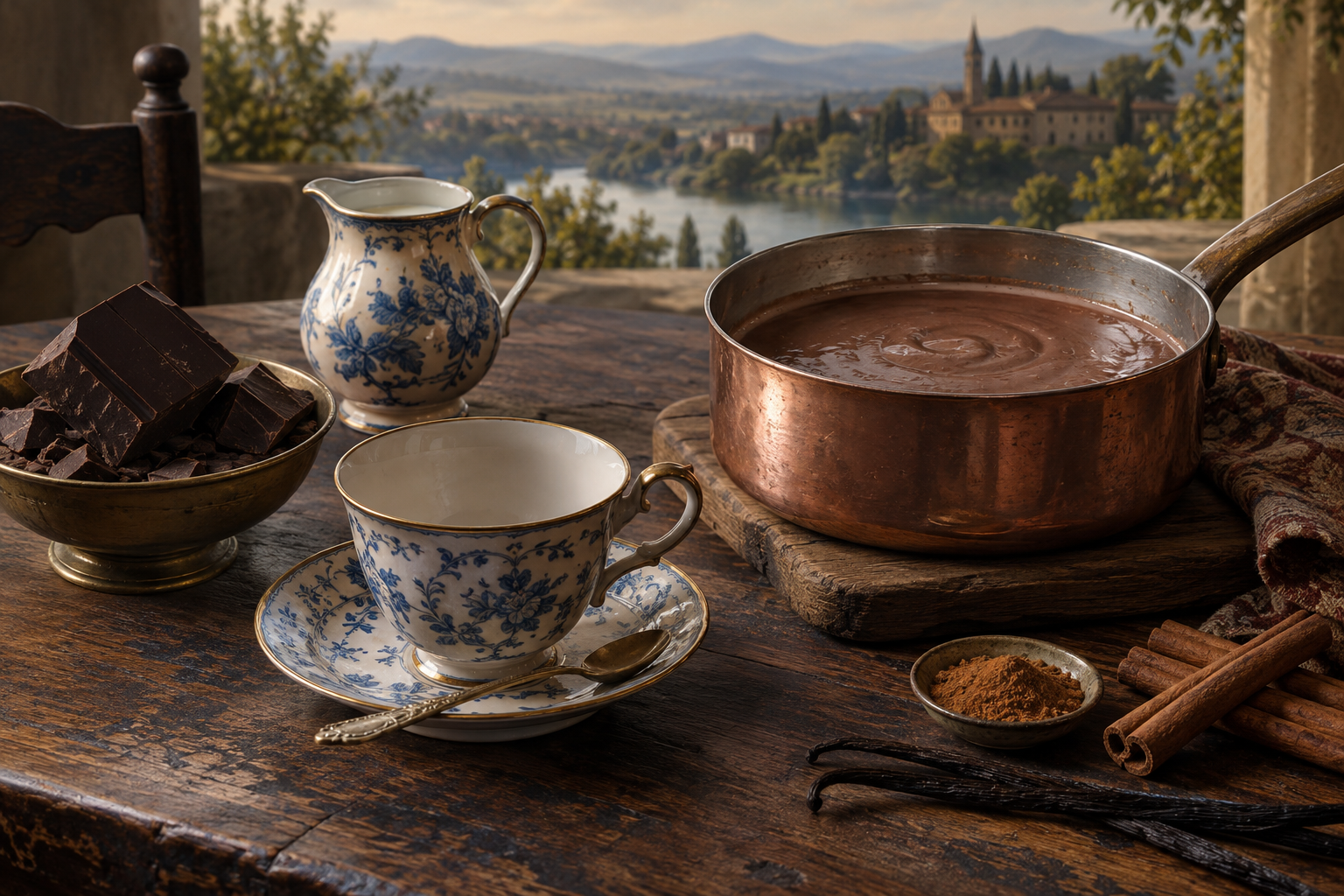
For two small cups, gently heat 400 ml milk with 60 g chopped dark chocolate. Whisk until smooth, sweeten only if needed and add a small amount of cinnamon or vanilla as a modern optional adaptation.
Avoid calling a modern cake royal
Serve the drink in heatproof cups with a clear note that it is inspired by seventeenth-century chocolate culture. Use pasteurised milk, check allergens and avoid claiming palace authenticity.
Frequently asked questions
Why was the original article rewritten?
Unsupported historical, commercial, cultural or safety claims were replaced with cautious practical guidance while preserving the useful subject.
How should a famous “first” be checked?
Use named contemporary evidence such as an archive, patent, menu, catalogue or well-supported specialist history.
Can promotional language be treated as evidence?
No. Advertising and event copy can suggest leads, but independent evidence is needed for factual claims.
What should be checked before serving chocolate?
Check ingredients, allergens, storage, temperature, shelf life and cross-contact risks.
Does expensive or limited chocolate guarantee quality?
No. Price and scarcity may reflect many factors; ingredients, traceability, freshness and sensory quality still need assessment.
How should an adaptation be described?
State clearly which details are modern choices and which are supported by historical or technical sources.