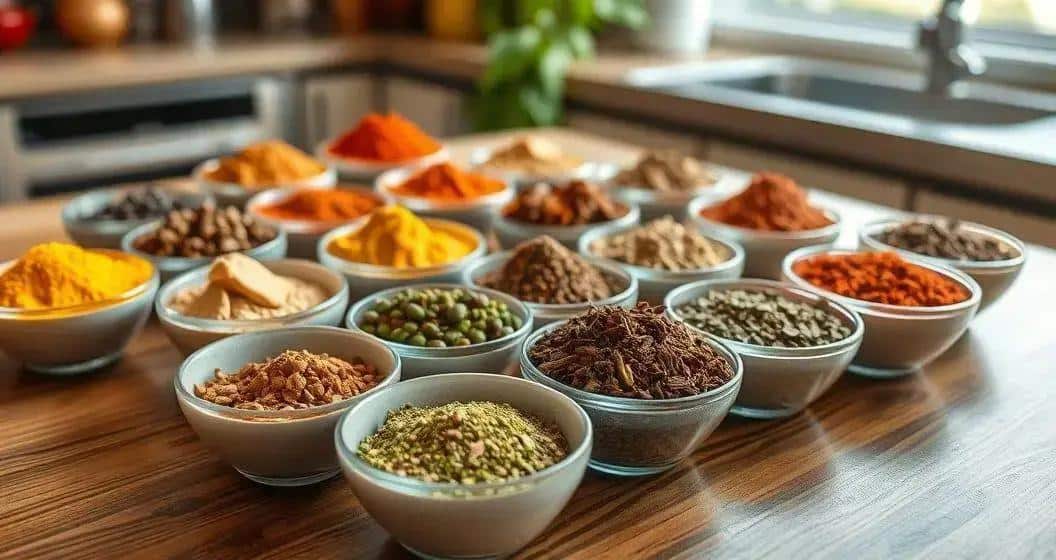

Choose one leading spice
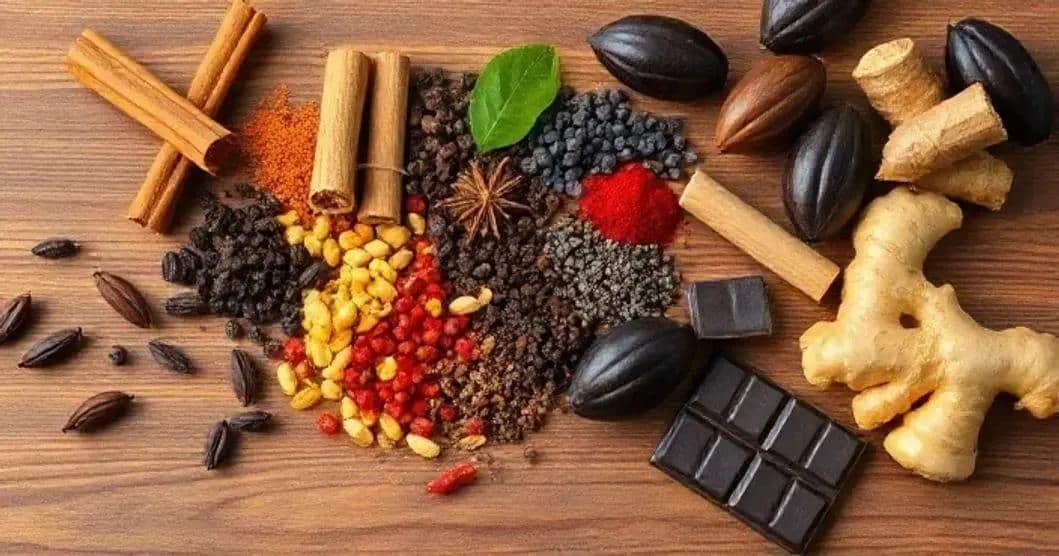
Cinnamon, cardamom, ginger, black pepper and chilli can all complement chocolate, but using several at full strength creates muddled heat. Choose one lead flavour and at most one quiet support.
Start with very small amounts
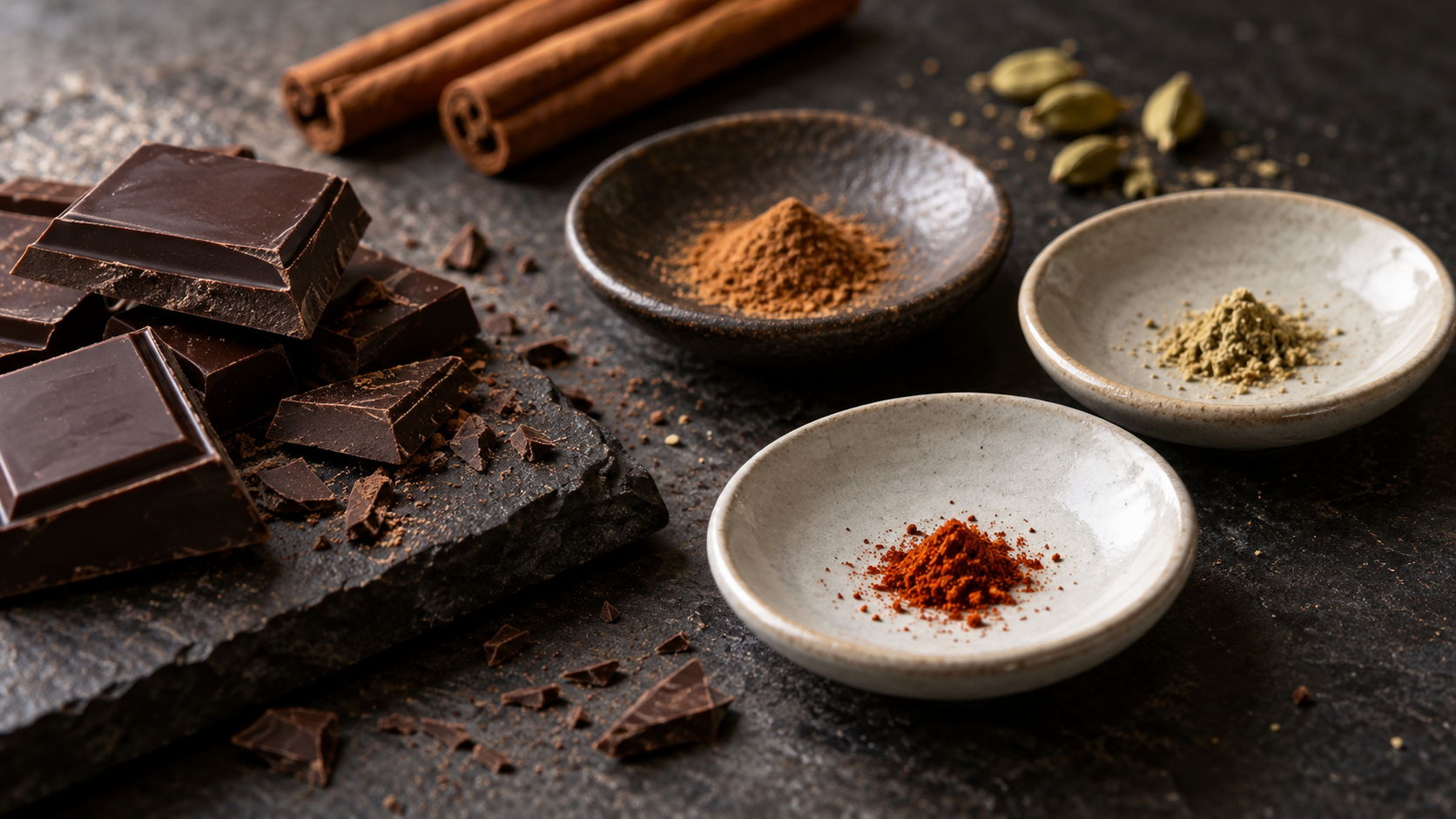
For 200 g chocolate, begin with a pinch of ground spice or one lightly crushed pod infused in cream. Chilli strength varies widely, so add less than you think you need.
Bloom whole spices in liquid
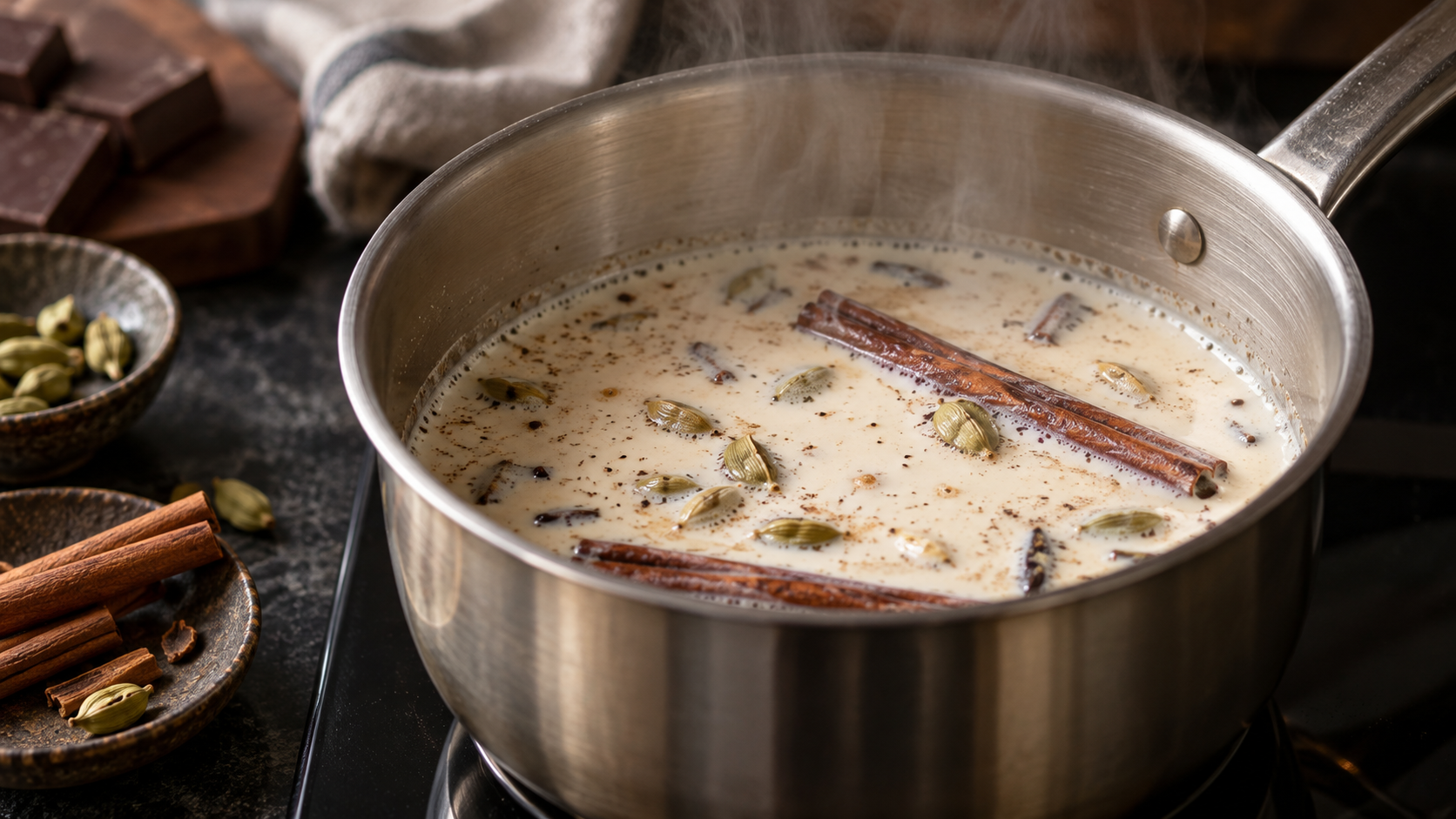
Whole spices can be warmed gently in milk or cream, covered and left to infuse, then strained. This gives cleaner flavour than leaving hard fragments in a ganache or drink.
Protect chocolate from water and heat
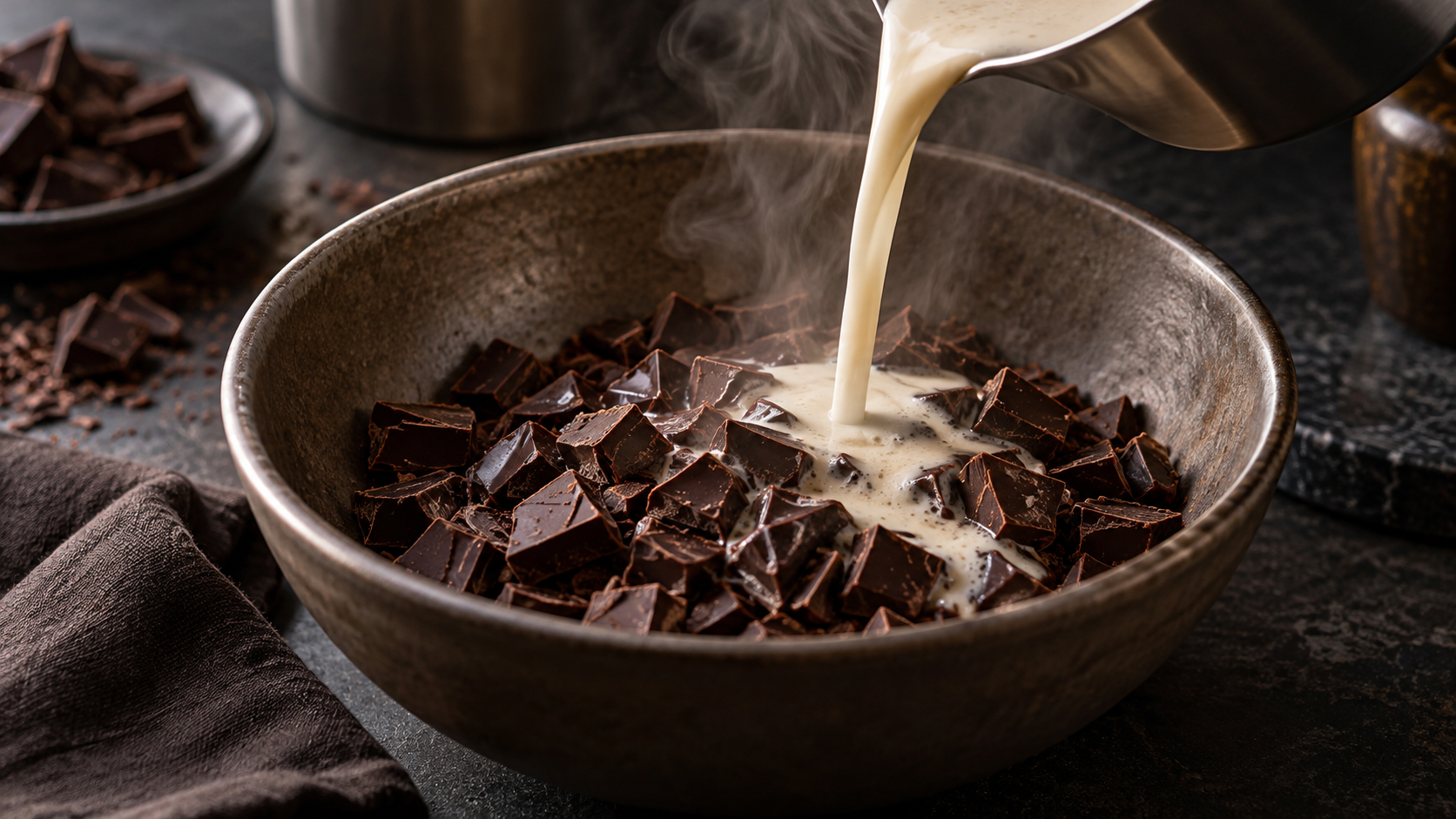
Keep water and steam out of melting chocolate. Warm dairy only until steaming and pour it over chopped chocolate; direct high heat can scorch cocoa solids or split an emulsion.
Taste, record and label
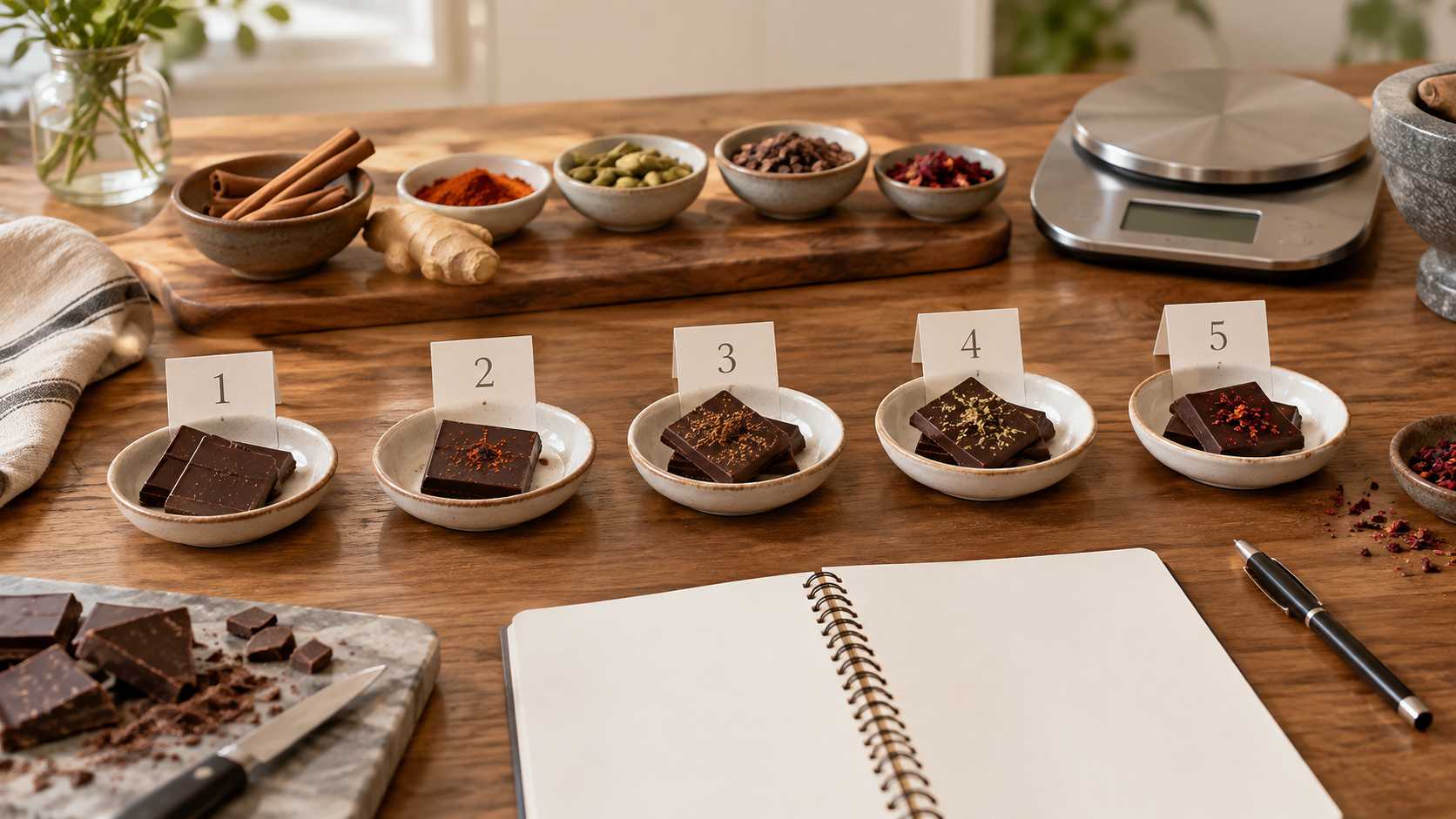
Let the mixture cool briefly before tasting because spice often grows stronger. Record the chocolate percentage, spice weight, batch size and infusion time, describe flavour accurately and declare allergens.
Frequently asked questions
Why was the source rewritten?
Unsafe, unsupported or technically unreliable instructions were corrected while preserving the useful subject.
How should allergens be handled?
Check every current pack, prevent cross-contact and keep accurate ingredient information.
Can storage time be copied from another recipe?
No. Validate it for the actual ingredients, hygiene, process and packaging.
Can quantities be changed freely?
Changes to water, fat, sugar, alcohol, acid or spice can alter texture, safety and storage.
Does heating always remove alcohol?
No. The remaining amount depends on time, temperature, surface area and the recipe, so adult products should remain clearly labelled.
What should be recorded during testing?
Record exact weights, temperatures, times, yield, storage and the result of each controlled trial.