
Choose nuts and declare the risk
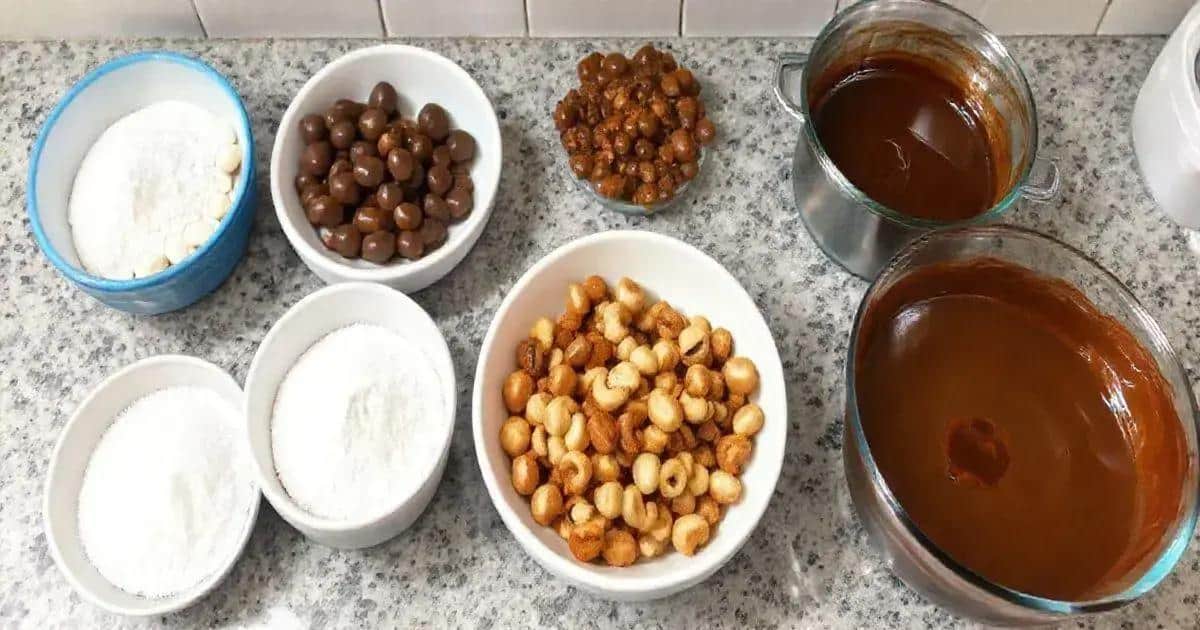
Use fresh whole hazelnuts, almonds or pecans and check for rancidity. Nuts are major allergens, and cross-contact makes this recipe unsuitable for an allergen-free claim. Roast only as a tested recipe requires.
Caramelise sugar safely
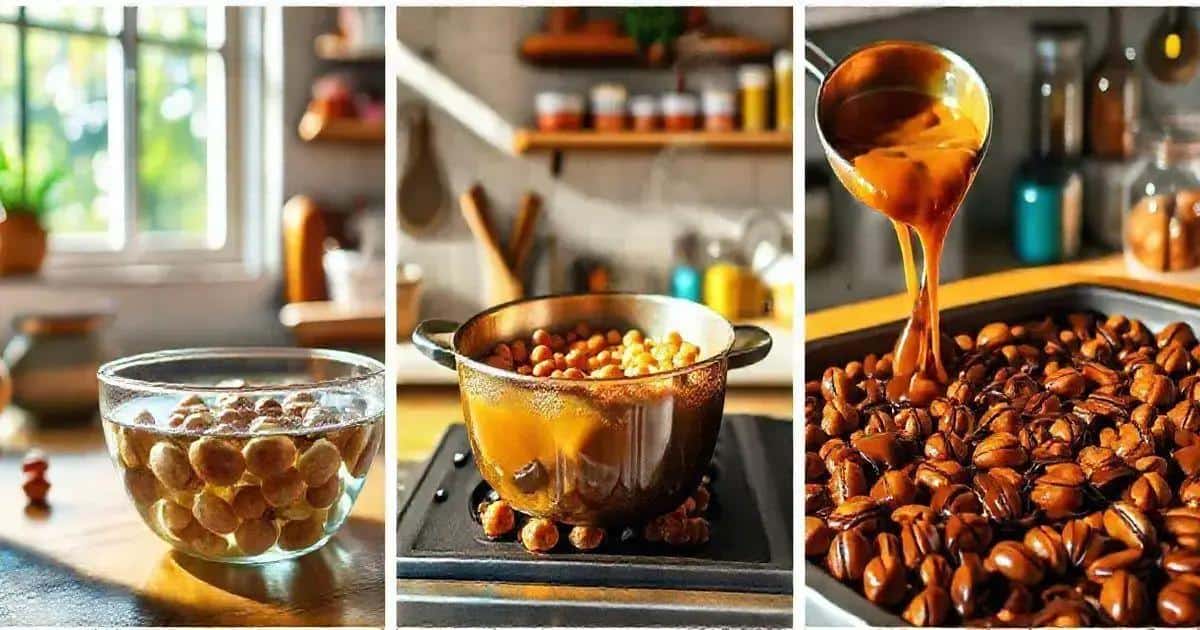
Cook sugar with a small amount of water in a wide heavy pan until an amber caramel forms. Hot sugar causes severe burns: keep children away, use heatproof tools and never touch or taste it while hot.
Separate the nuts before cooling
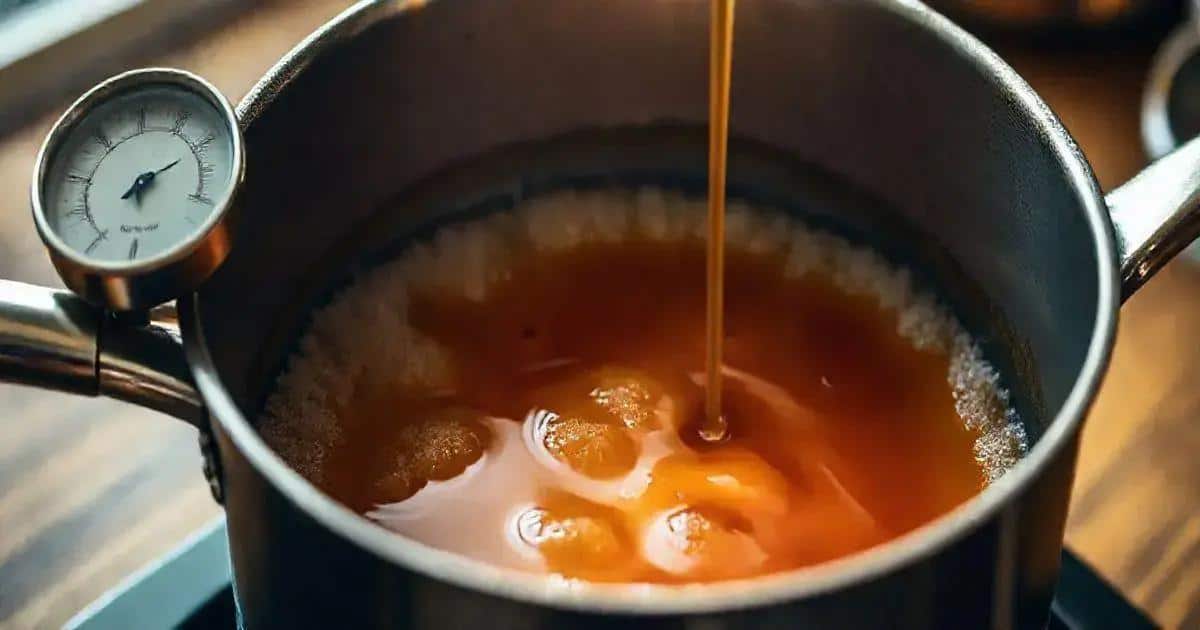
Stir in warm nuts carefully, then spread them apart on a heatproof lined tray. Work before the caramel hardens but do not use bare fingers. Allow everything to cool completely.
Coat with tempered chocolate
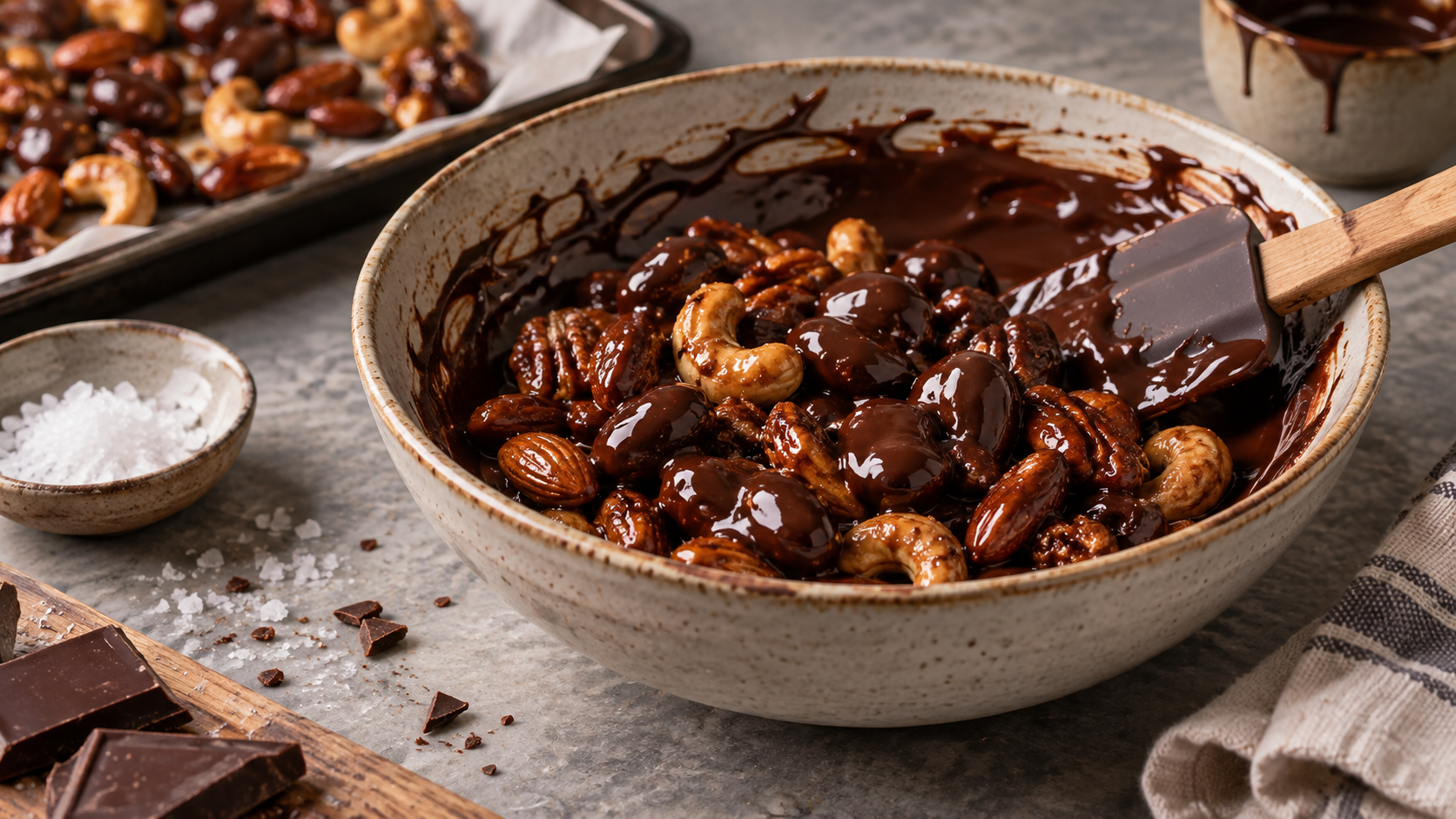
Temper suitable chocolate and add the nuts in small batches, stirring until coated. Lift them onto parchment separately or use a panning method designed for confectionery. Water and steam must stay away.
Add a thin final finish
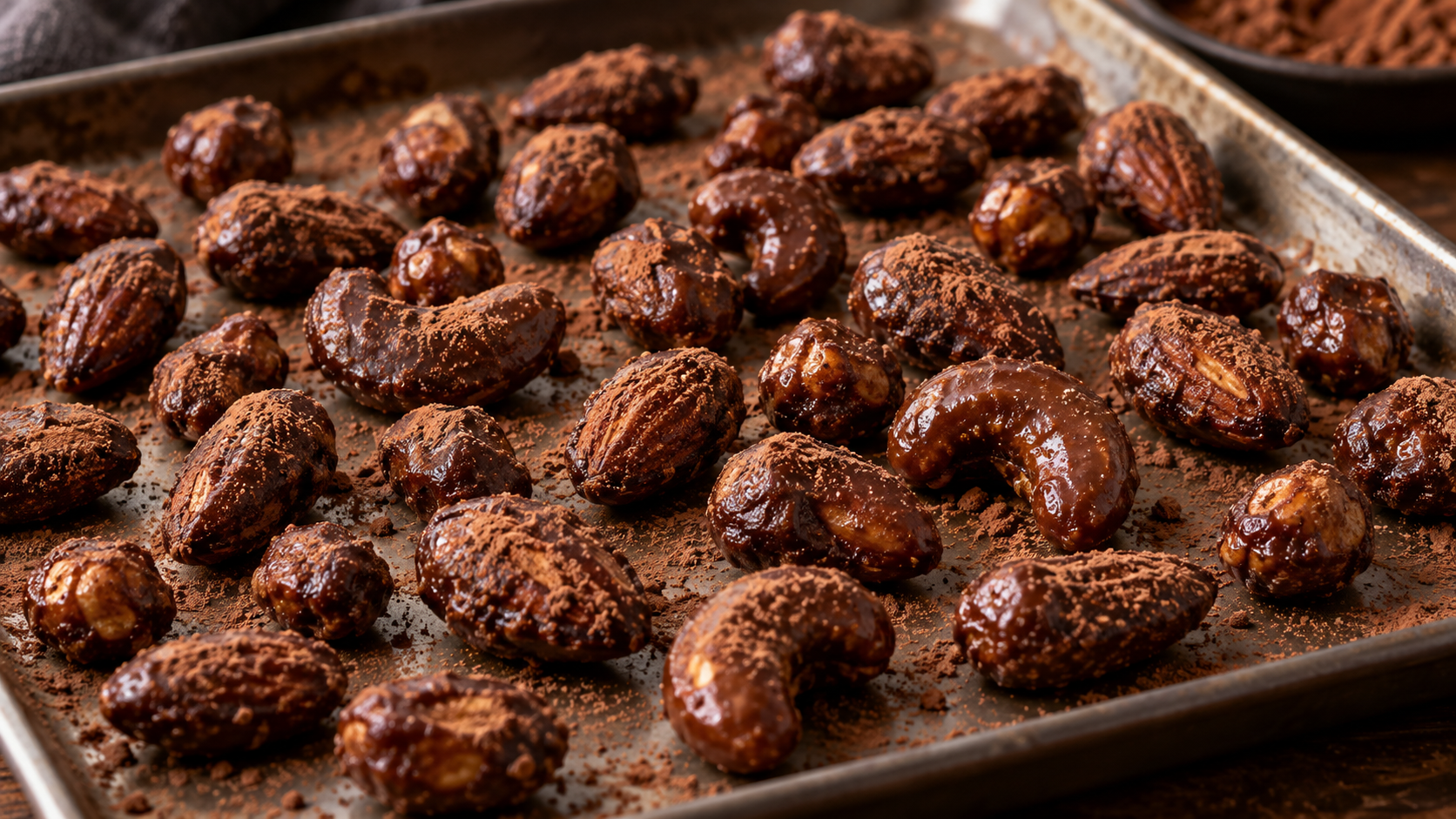
A light cocoa dusting or second thin chocolate layer can reduce sticking. Heavy decoration hides the nut and creates an awkward bite. Salt should be measured so it supports rather than dominates the caramel.
Protect the crunch from humidity
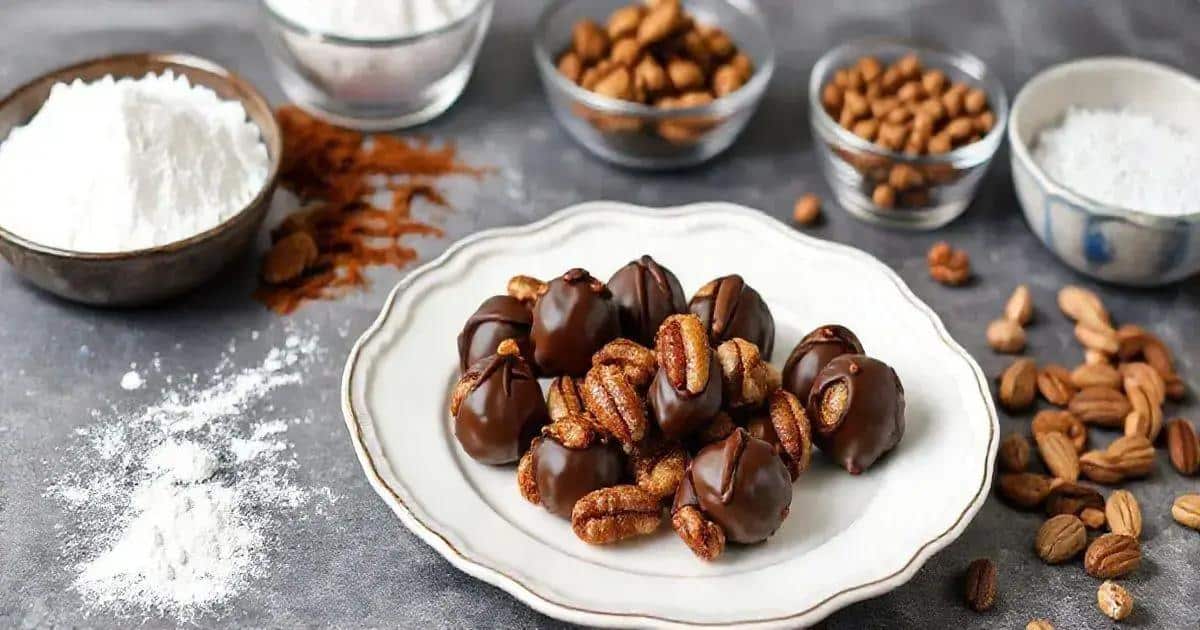
Caramel and crisp coatings absorb moisture. Cool pieces fully, then store airtight in a dry, odour-free place. Refrigeration can create condensation unless the product requires it.
Pack and label every batch
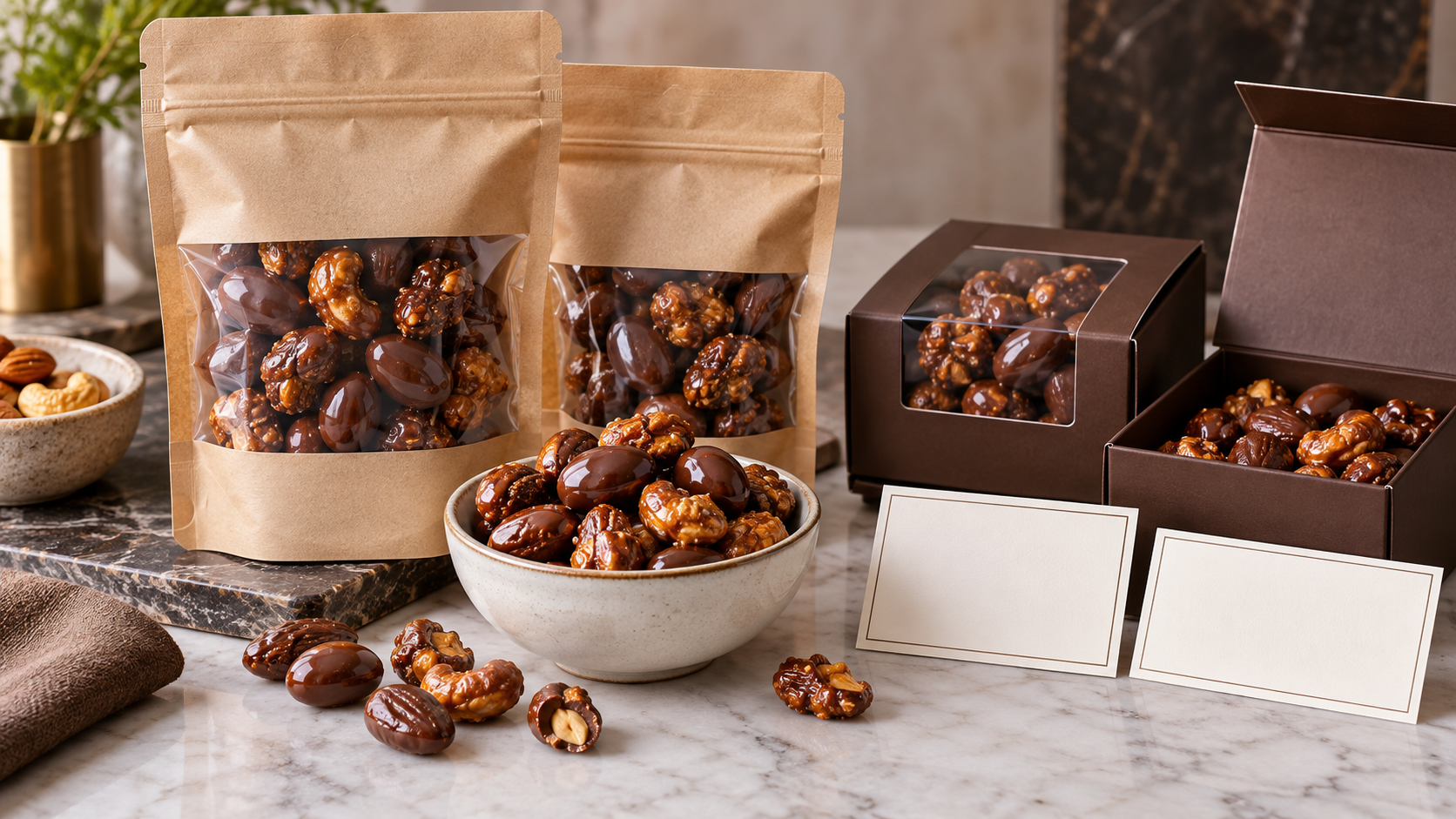
List the exact nut, chocolate ingredients and possible cross-contact. Include storage and durability information based on testing. Keep supplier batch codes and production records when selling.
Frequently asked questions
Why was the source rewritten rather than translated literally?
It needed recipe, historical, cultural or safety correction, so the useful topic was rebuilt directly in British English.
Can alcohol or caffeine be ignored in a small sweet?
No. Identify it clearly and keep the product for an appropriate audience.
How should allergens be handled?
Check every current pack, consider cross-contact and keep accurate ingredient information with the finished food.
Can a storage period be copied from another recipe?
No. Validate storage and shelf life for the actual ingredients, process and packaging.
Are custom moulds automatically food-safe?
No. Materials, manufacture, surface finish and intended food contact all need confirmation.
How should cultural or historical claims be checked?
Use primary records, cultural institutions and community sources, and state uncertainty instead of inventing a link.