
Cacao drinks existed before cane sugar
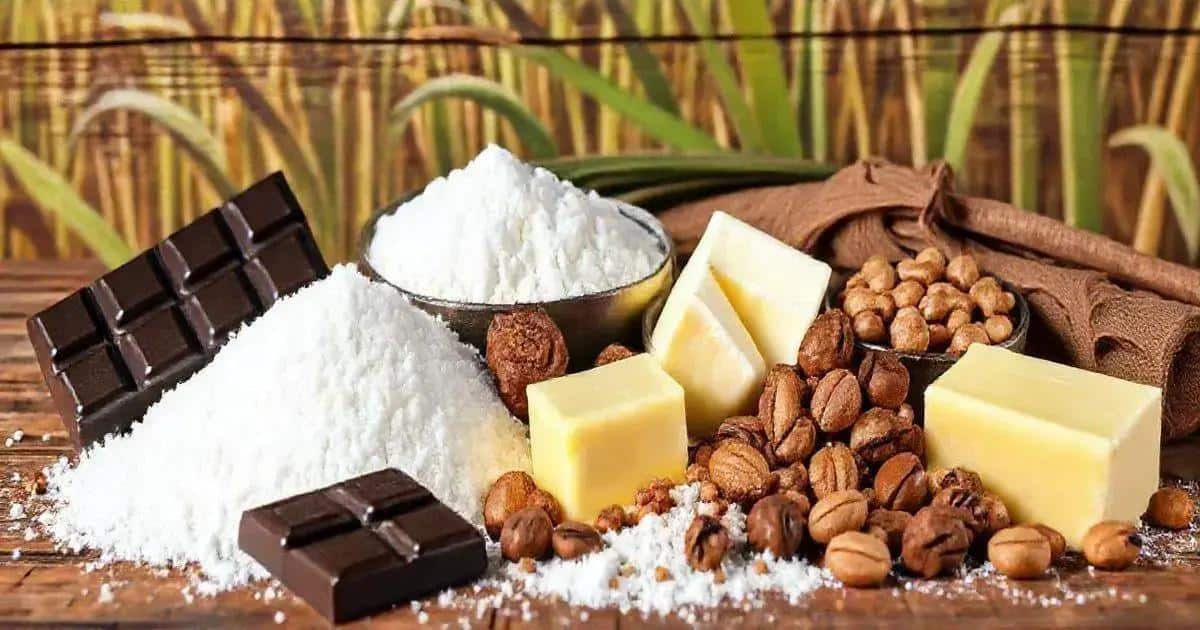
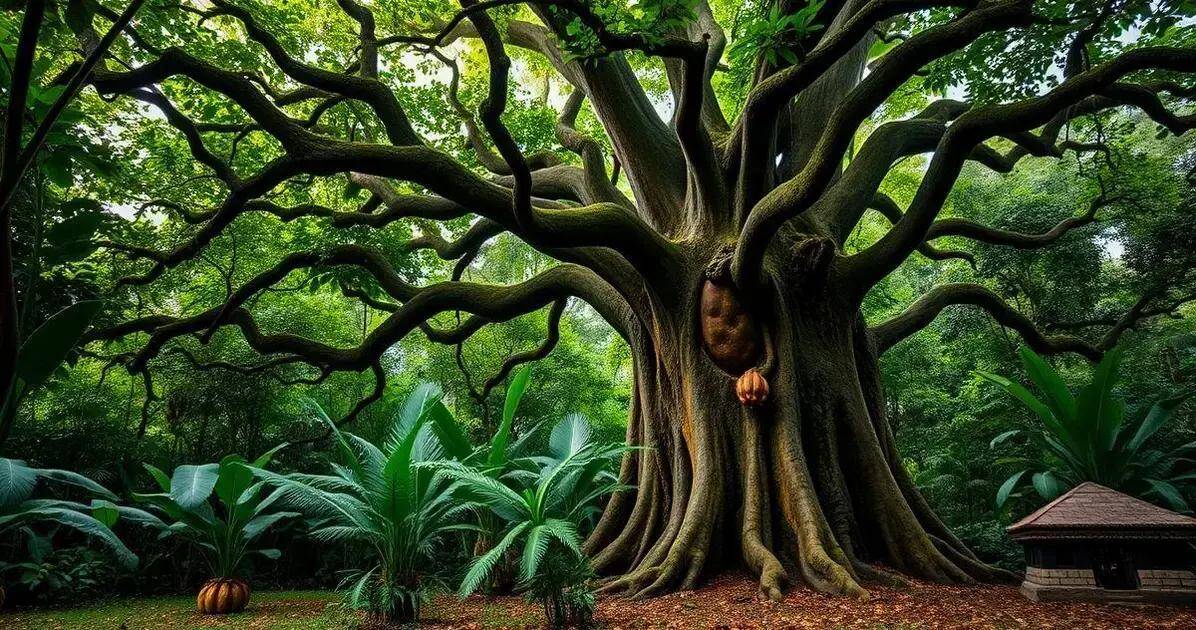
Mesoamerican cacao drinks existed long before European-style sweet chocolate. They were prepared in varied ways and were not simply modern hot chocolate without sugar. Cacao has its own Indigenous histories and meanings.
Sugarcane arrived through colonial trade
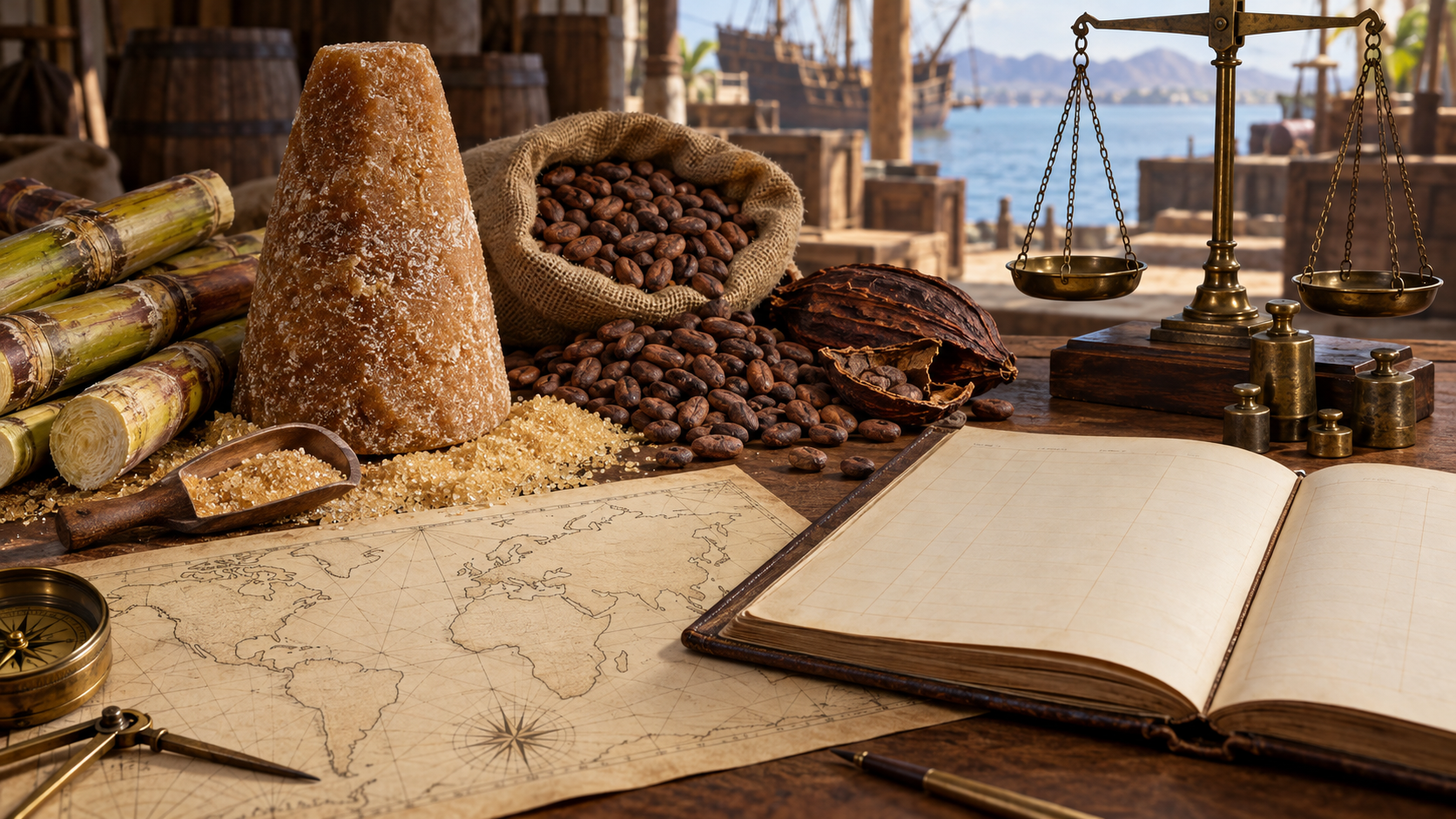
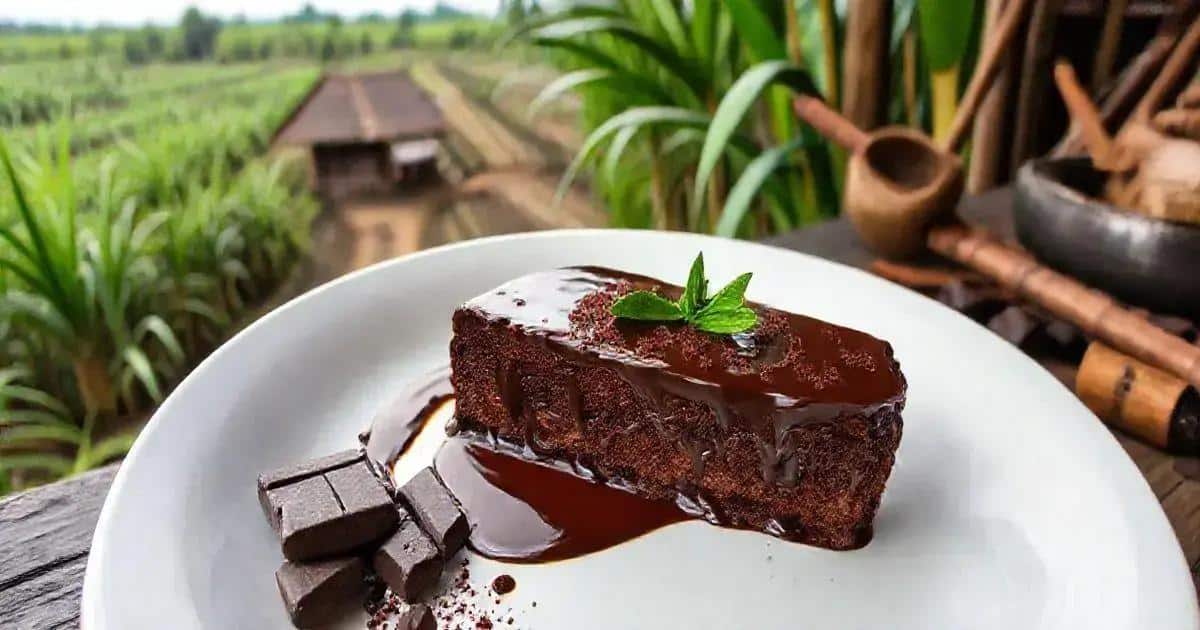
Sugarcane originated in Asia and spread through trade and conquest. European colonial systems expanded cultivation in Atlantic regions, relying heavily on enslaved labour. Chocolate’s sweetening history cannot be separated from that violence.
Sweetness changed European chocolate
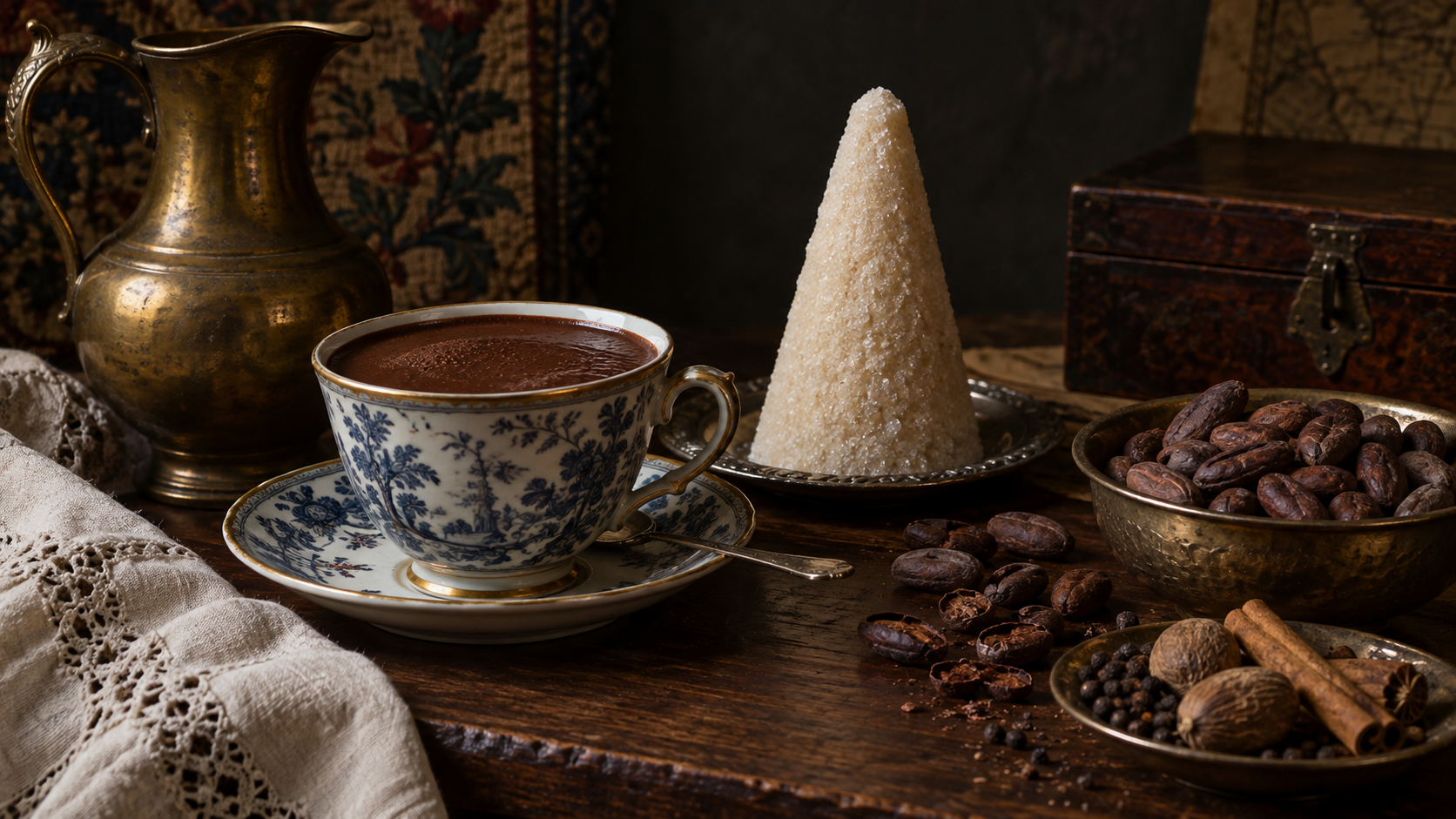
When cacao reached Europe, sugar and spices were used to adapt drinks to elite tastes. Costly ingredients and labour made early sweet chocolate a status product. Recipes varied by place and period.
Plantations carried a human cost
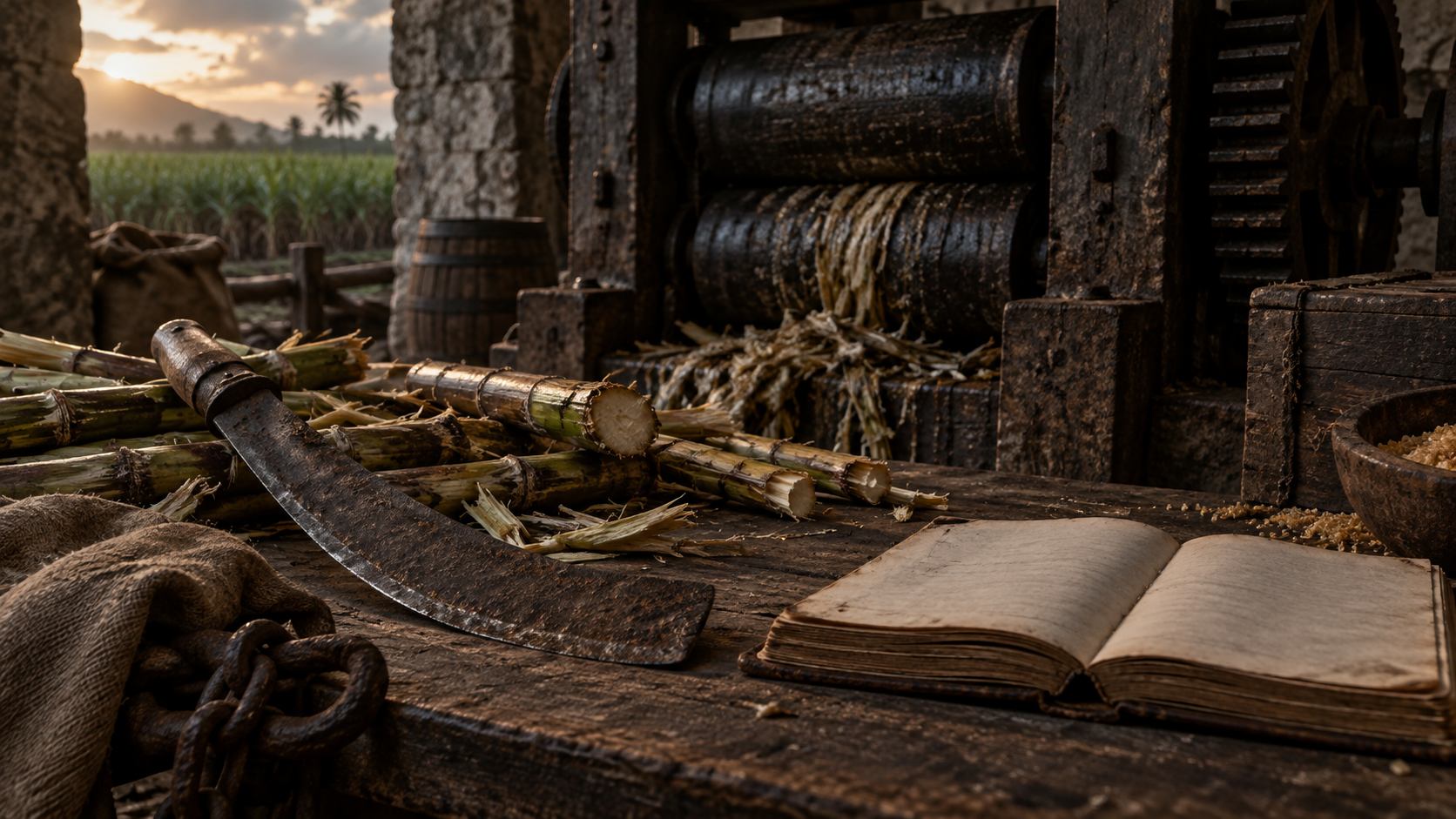
Cane fields, mills and shipping networks generated wealth for merchants while imposing brutal conditions on enslaved and exploited workers. Responsible history names this system rather than describing sugar’s spread only as culinary progress.
Industrial sugar expanded confectionery
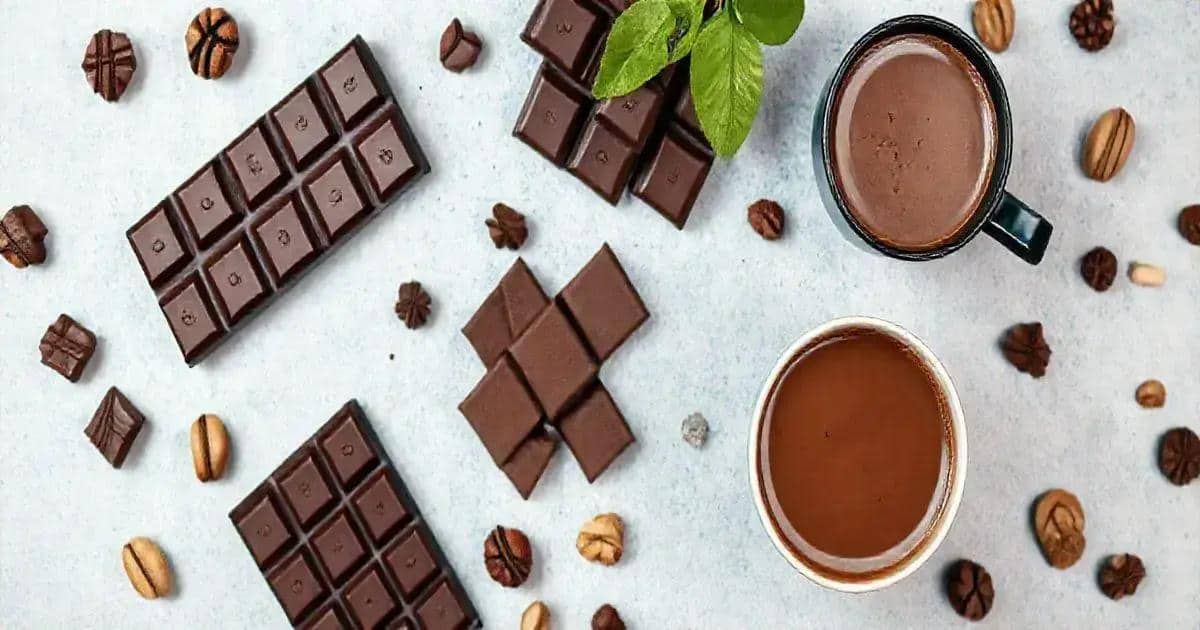
Mechanised refining and expanding beet and cane sugar production later made sweet chocolate more widely available. Manufacturers adjusted texture, shelf life and flavour, contributing to the bars and confectionery familiar today.
Modern recipes can use less sugar
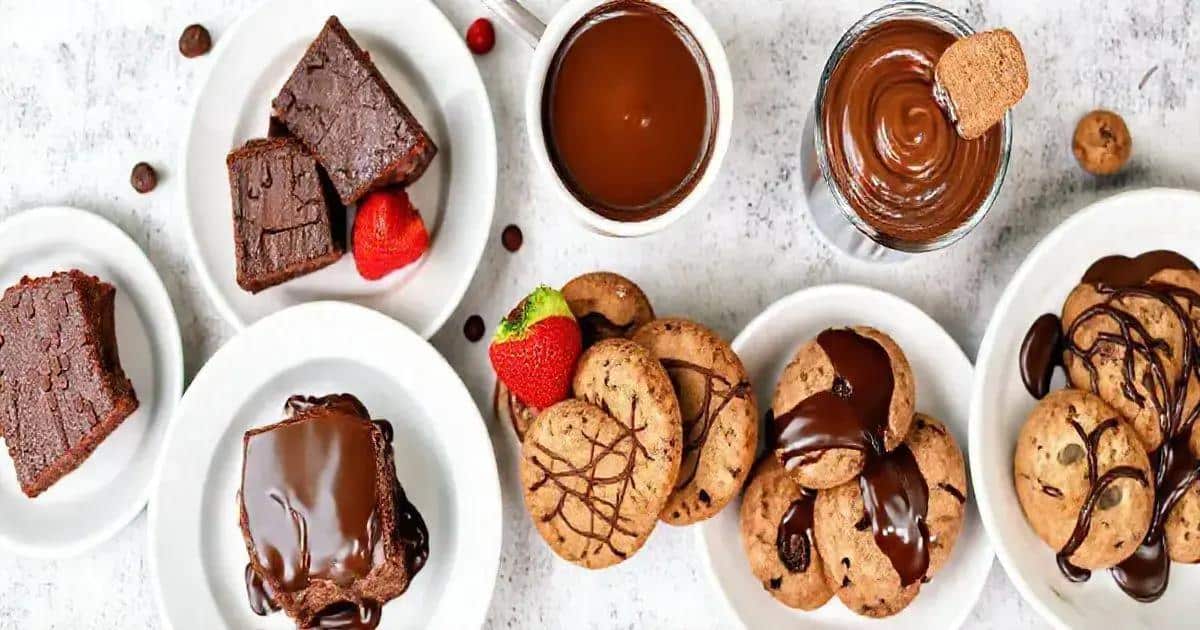
Sugar remains functional in texture as well as taste, but recipes can be formulated with different sweetness levels. Claims such as natural, unrefined or lower sugar need accurate composition and should not erase sourcing and labour questions.
Frequently asked questions
Why was the source rewritten rather than translated literally?
It needed recipe, historical, cultural or safety correction, so the useful topic was rebuilt directly in British English.
Can alcohol or caffeine be ignored in a small sweet?
No. Identify it clearly and keep the product for an appropriate audience.
How should allergens be handled?
Check every current pack, consider cross-contact and keep accurate ingredient information with the finished food.
Can a storage period be copied from another recipe?
No. Validate storage and shelf life for the actual ingredients, process and packaging.
Are custom moulds automatically food-safe?
No. Materials, manufacture, surface finish and intended food contact all need confirmation.
How should cultural or historical claims be checked?
Use primary records, cultural institutions and community sources, and state uncertainty instead of inventing a link.