
Boto and Curupira belong to living traditions
Stories of the encantado or boto and Curupira vary across communities, regions and generations. They are part of living oral traditions, not fixed characters from one universal script. A short food article should acknowledge that variation.
Cacao has its own Amazonian history
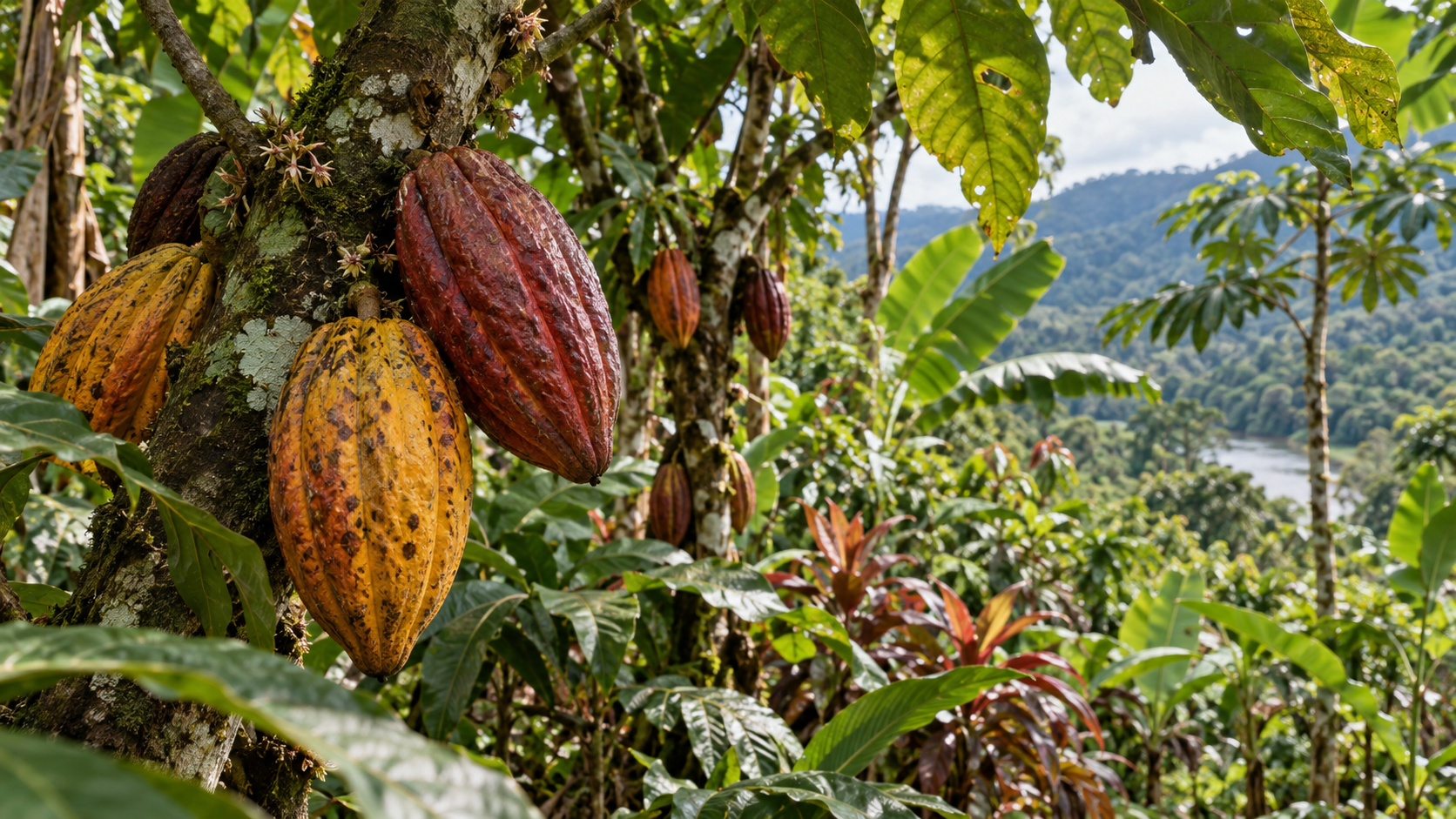
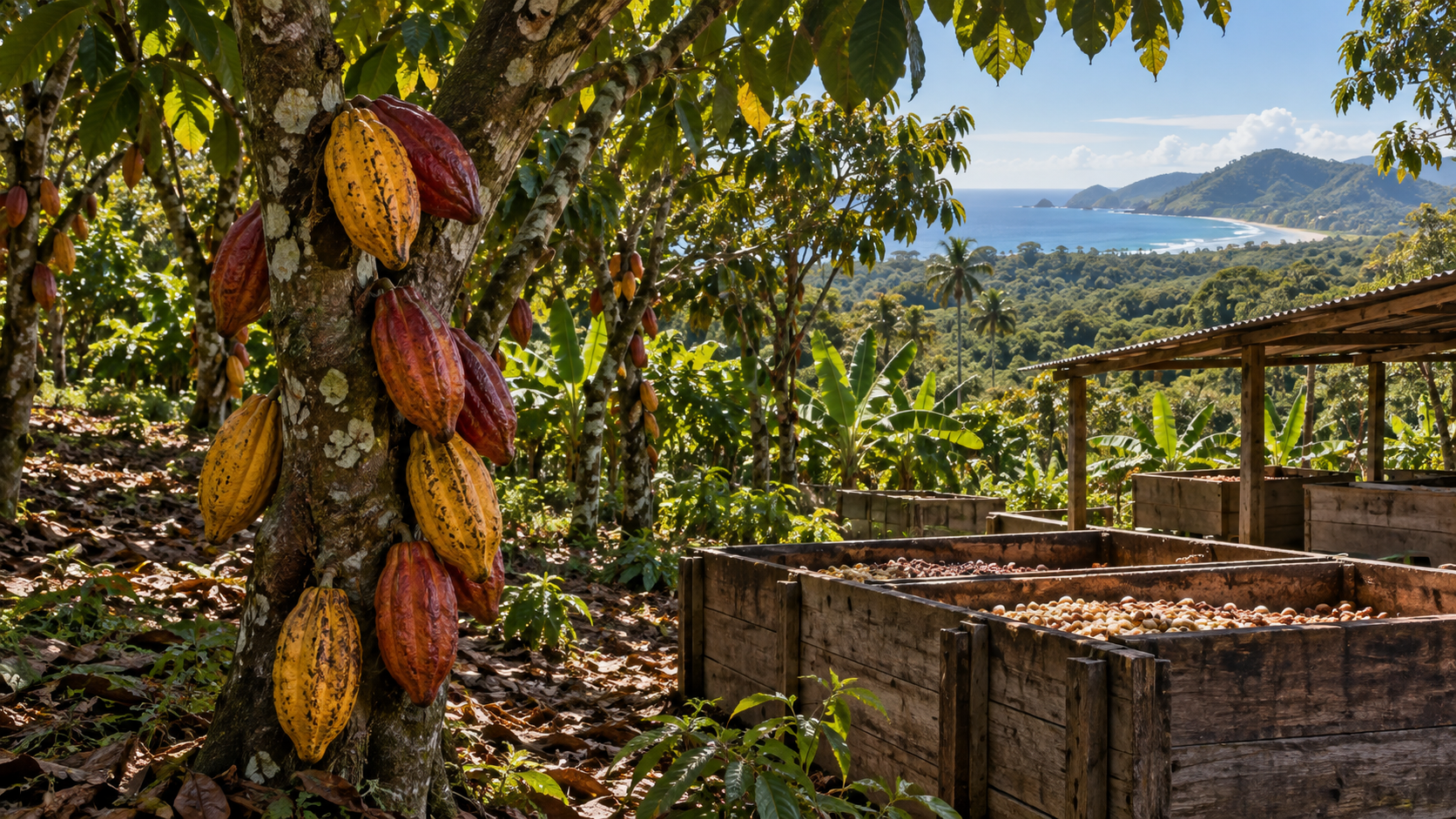
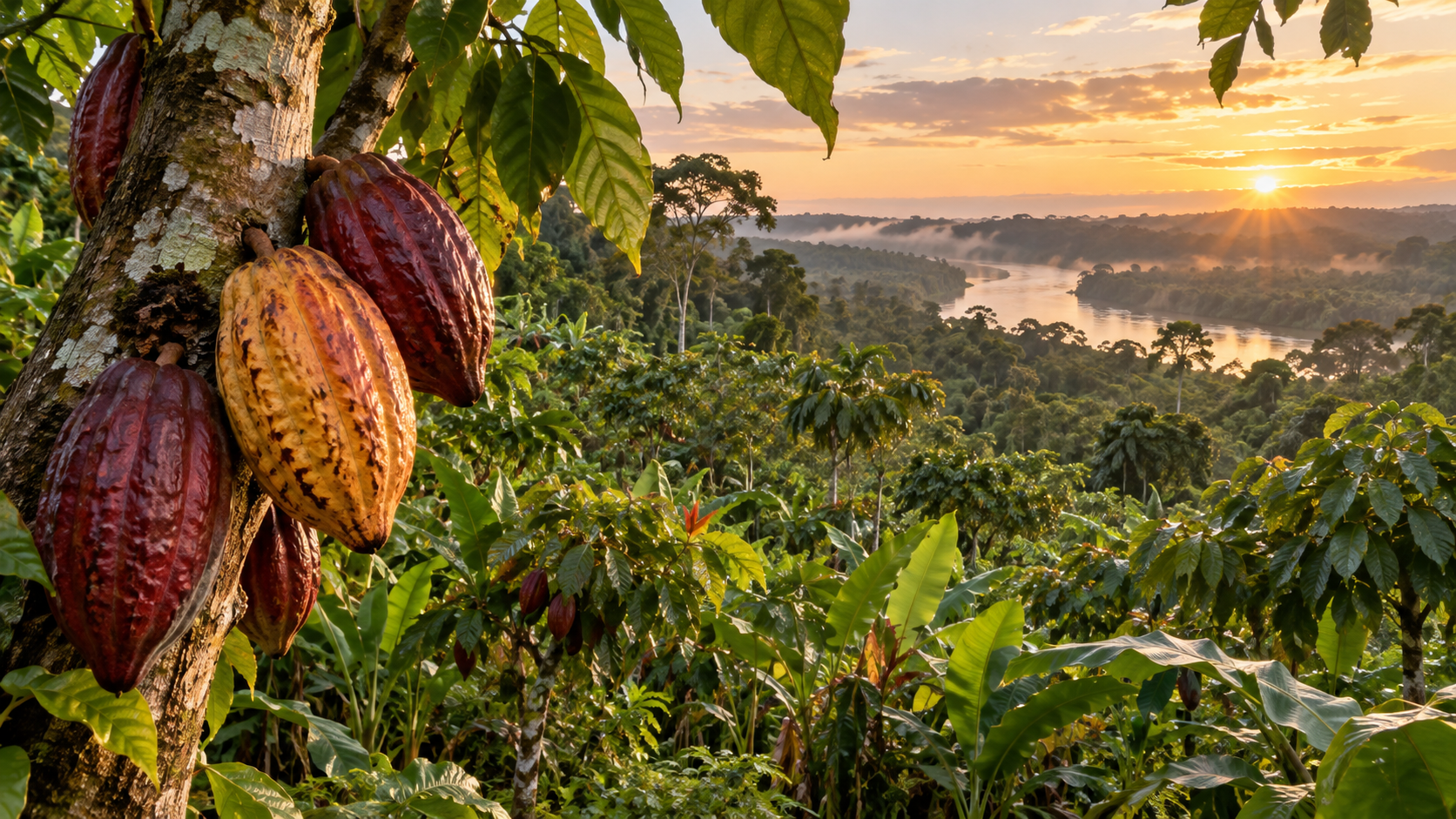
Cacao is native to tropical America and has a deep cultivation and trade history in the Amazon region. That history can be discussed through agriculture, biodiversity and local knowledge without claiming that a named folkloric being traditionally represents chocolate.
Do not force chocolate into every legend
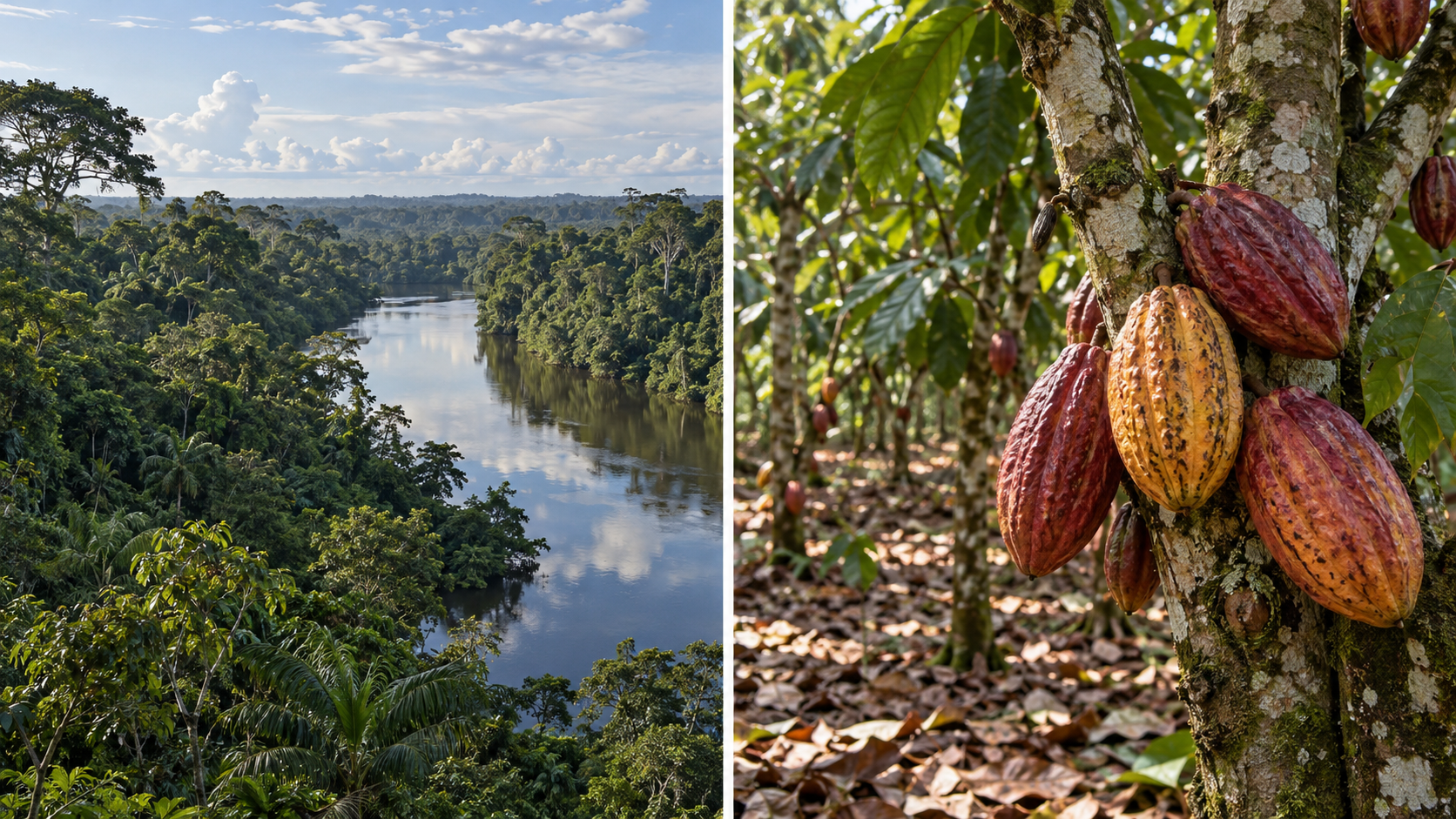
The source topic linked well-known legends directly to cacao without reliable evidence. A responsible English version keeps the subjects alongside one another while stating that the connection is a modern creative theme rather than an established traditional tale.
Use respectful sources and language
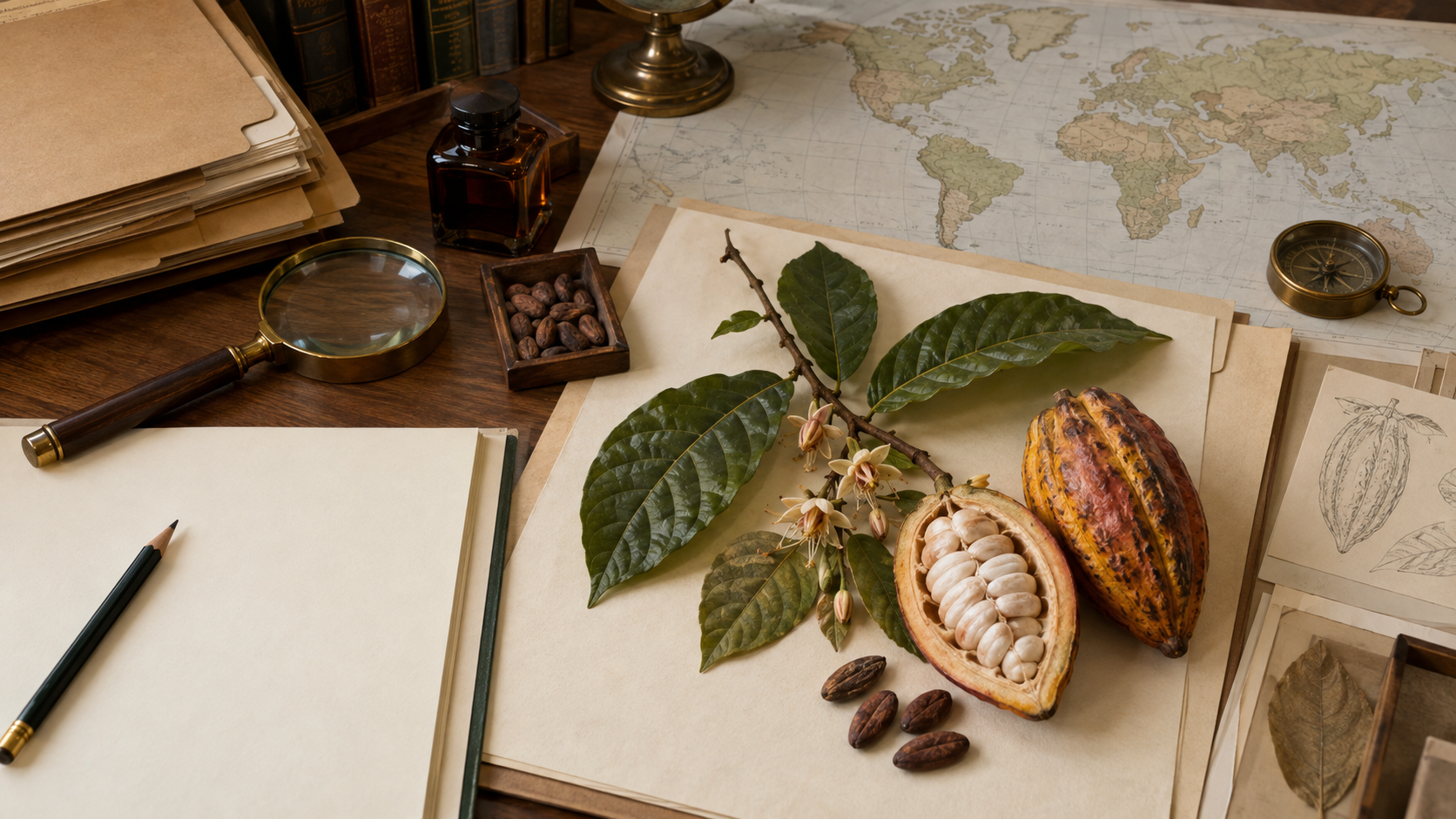
Prefer work by Brazilian and Amazonian researchers, cultural institutions and community voices. Identify the region and source when retelling a specific version. Translation should preserve names and avoid reducing complex figures to heroes, monsters or marketing mascots.
Build an original food story carefully
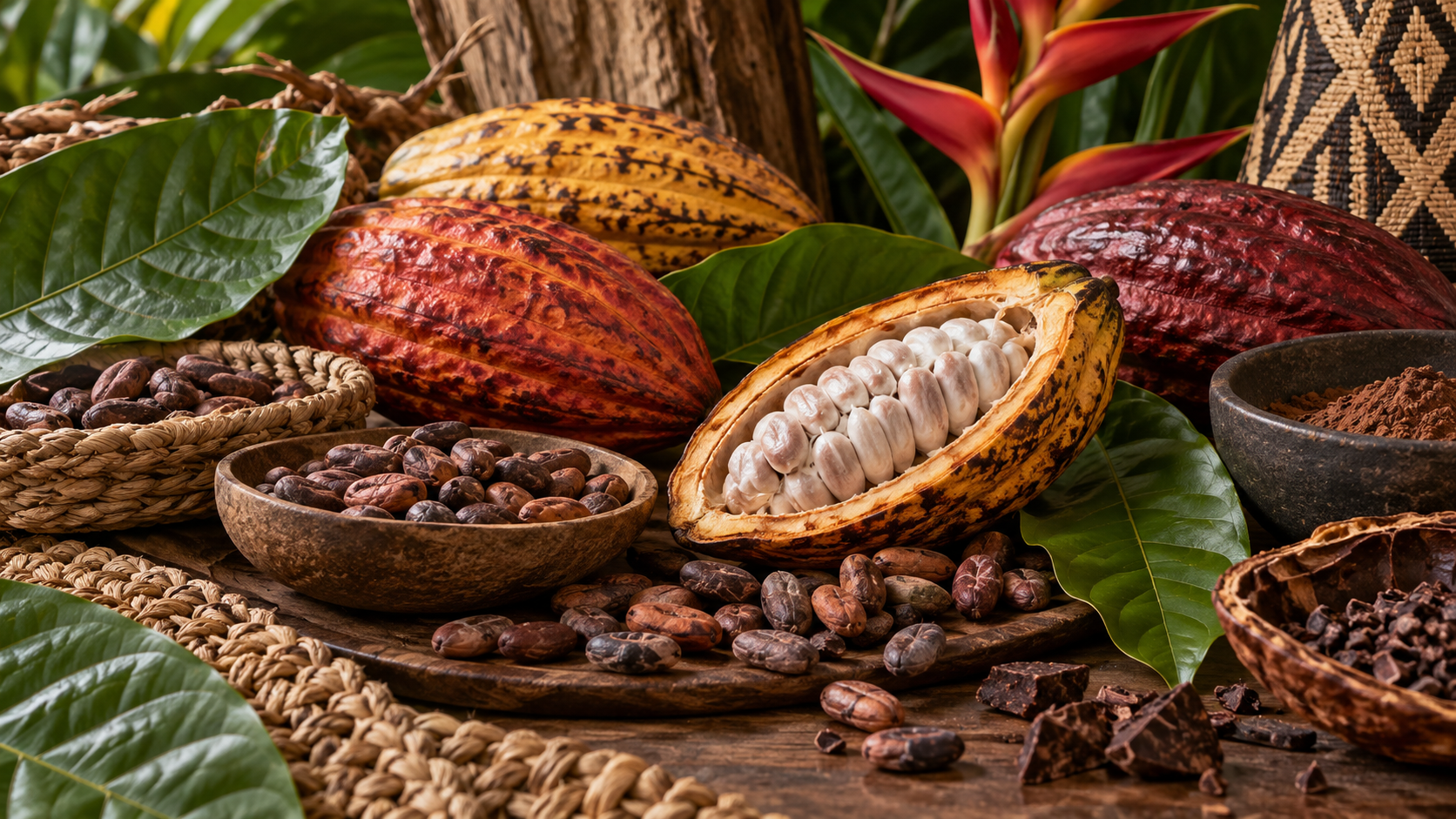
A chocolatier may create an original forest-inspired collection using native flavours and colours, provided the description says it is contemporary. Permission, benefit-sharing and accurate sourcing matter when a business uses community knowledge or identity.
Avoid costumes and sacred imagery as decoration
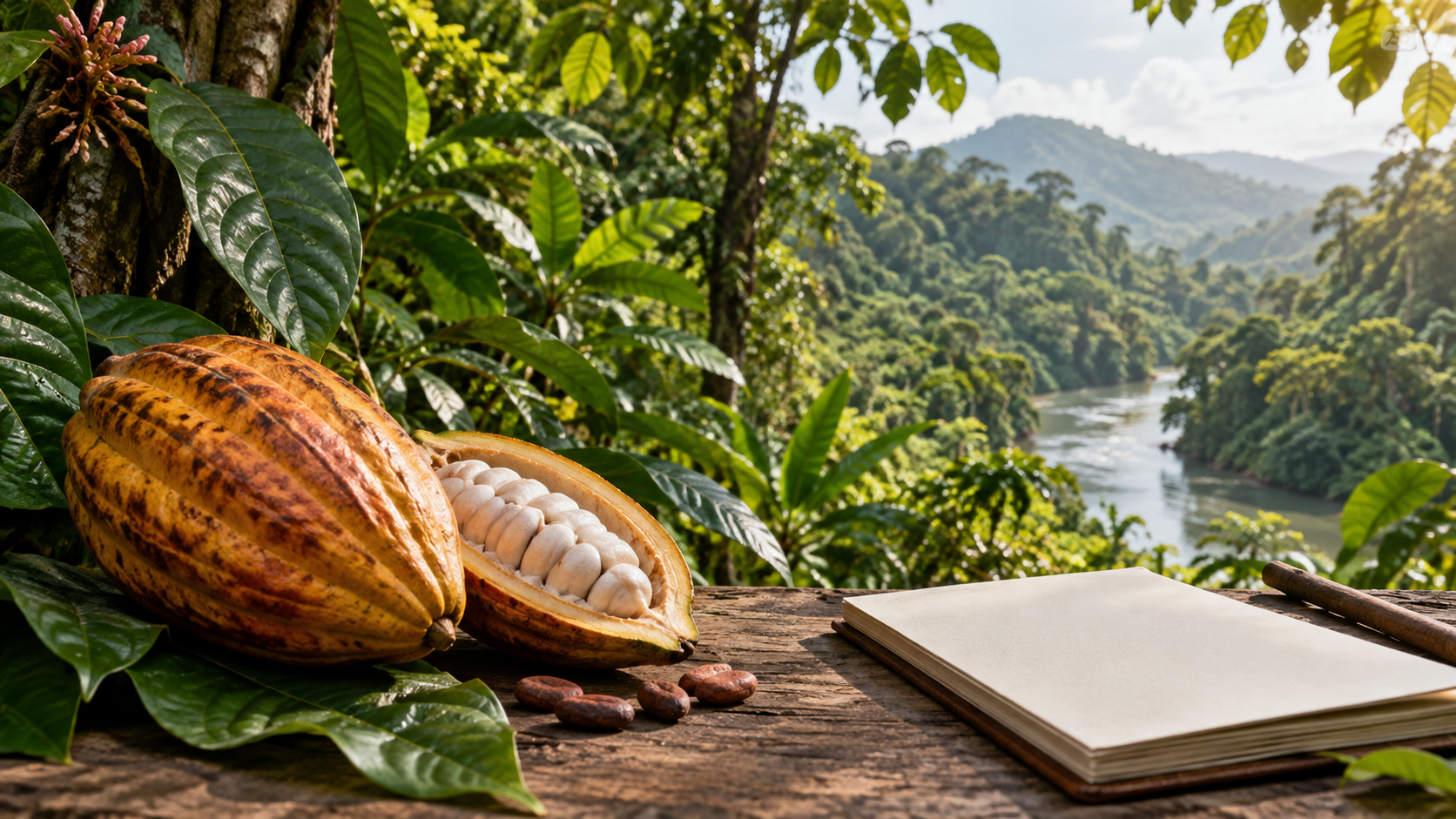
Avoid caricature, mock Indigenous dress and claims of sacred meaning. Use landscape, plants and cacao imagery with context. A respectful design invites readers to learn more instead of presenting invented folklore as fact.
Frequently asked questions
Why was the source rewritten rather than translated literally?
It needed recipe, historical, cultural or safety correction, so the useful topic was rebuilt directly in British English.
Can alcohol or caffeine be ignored in a small sweet?
No. Identify it clearly and keep the product for an appropriate audience.
How should allergens be handled?
Check every current pack, consider cross-contact and keep accurate ingredient information with the finished food.
Can a storage period be copied from another recipe?
No. Validate storage and shelf life for the actual ingredients, process and packaging.
Are custom moulds automatically food-safe?
No. Materials, manufacture, surface finish and intended food contact all need confirmation.
How should cultural or historical claims be checked?
Use primary records, cultural institutions and community sources, and state uncertainty instead of inventing a link.