
Why chocolate became a game symbol
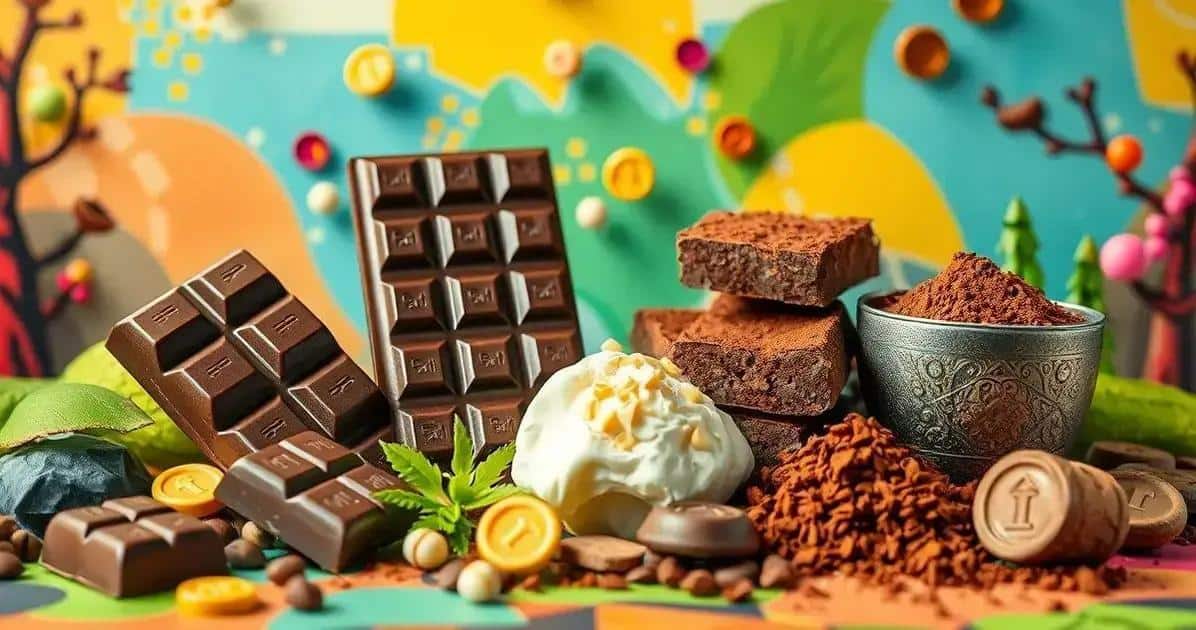
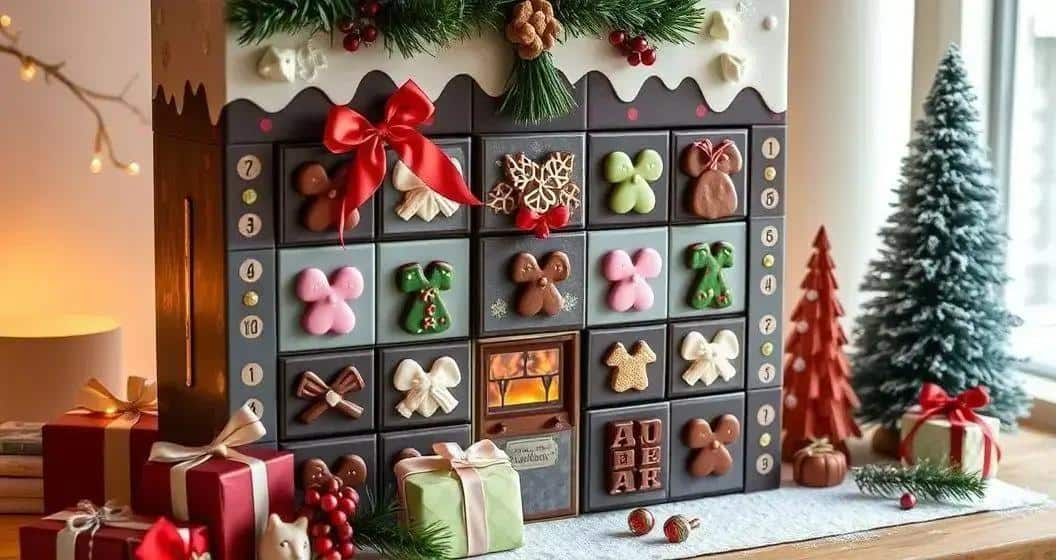
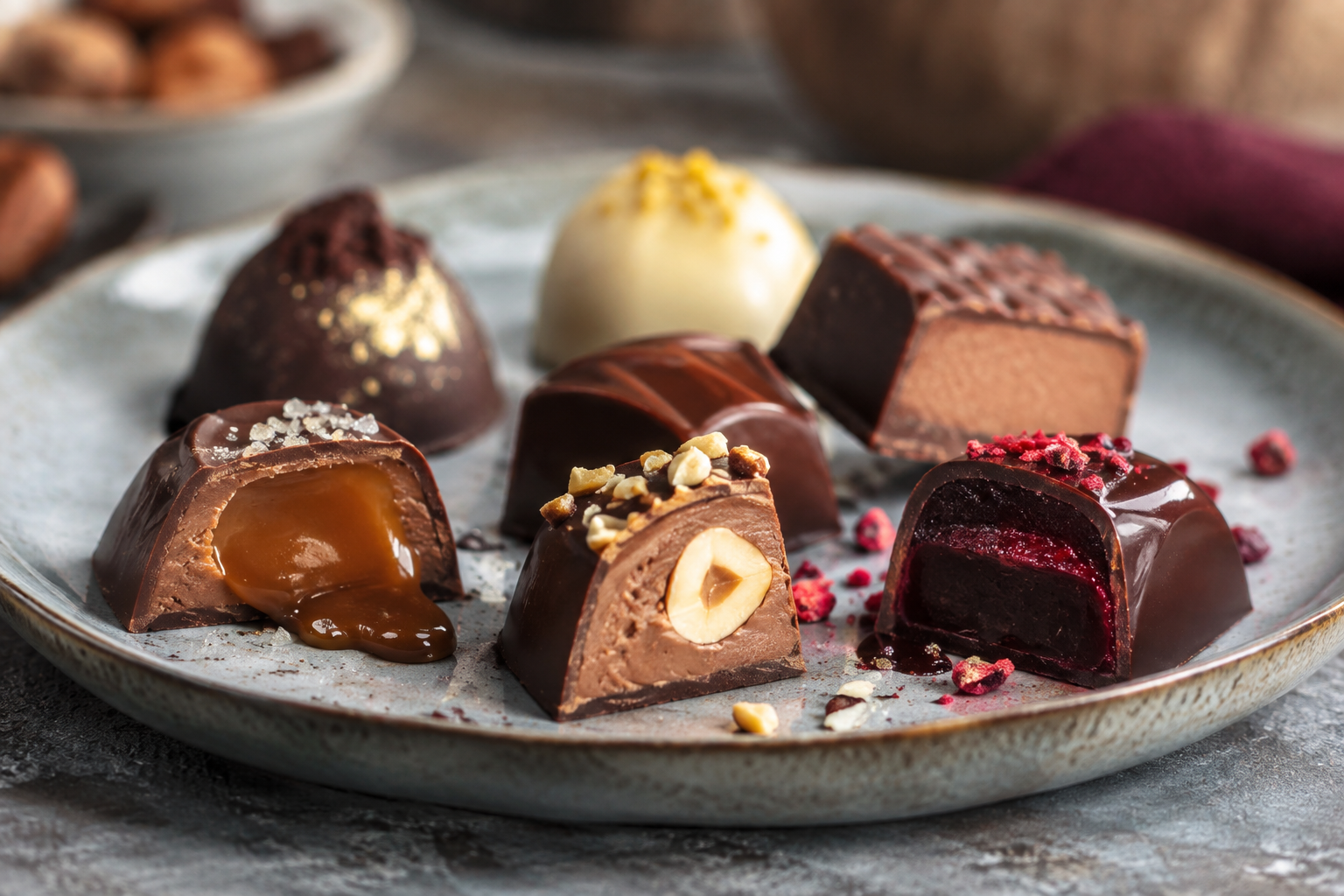
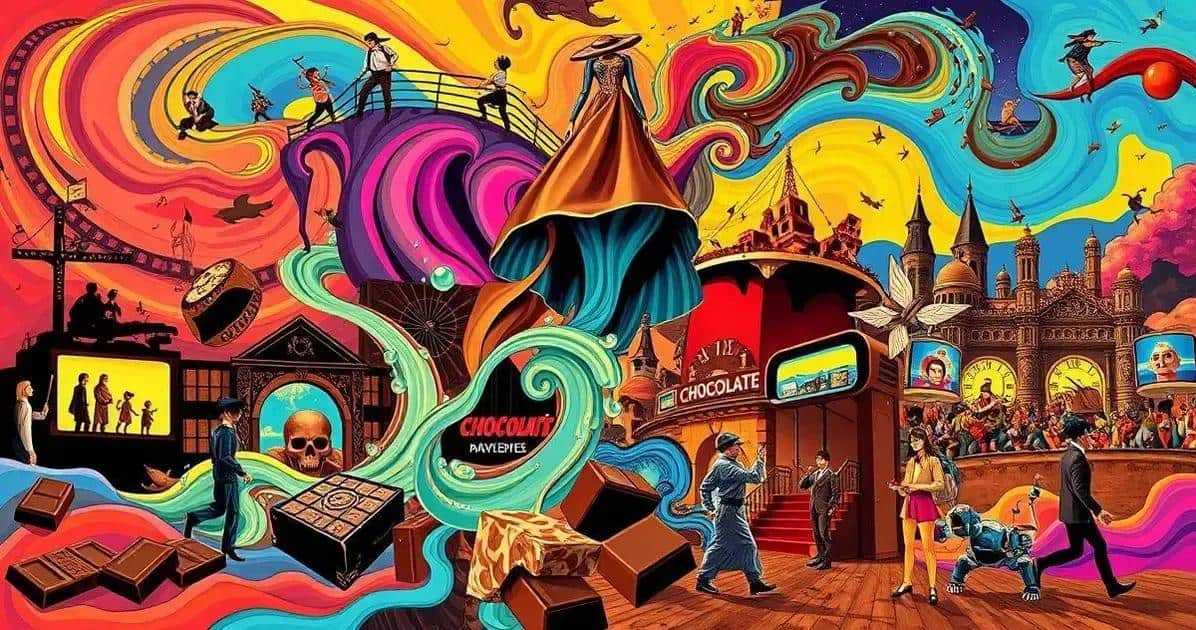
Chocolate is instantly recognisable, visually simple and associated with reward, comfort and energy. Those qualities make it useful in games, animation and comics as a collectible, gift, joke or story device. Its meaning changes with genre and culture.
From food item to power-up
Games often turn food into an immediate health or stamina effect because players understand the rule quickly. This is a fictional mechanic, not nutritional guidance. Real chocolate does not instantly repair injury or replace meals.
Chocolate as character and setting

Chocolate factories, magical sweets and eccentric chocolatiers provide colourful settings for puzzles and adventures. Creators also use scarcity, temptation and sharing to reveal character choices. Specific examples should respect copyright and trademark rules.
Marketing and licensed products

Publishers and confectionery brands sometimes release limited packaging, in-game items or character-shaped sweets. A licensed product still needs accurate ingredients, allergens and age-appropriate marketing. Collectable value is never guaranteed.
Enjoy the reference without health myths
Fans can recreate a colour palette or general mood without copying protected logos or artwork. Enjoy chocolate as part of a balanced diet and read the label; a fictional power-up does not prove performance, mood or health claims.
Frequently asked questions
Why was the source not translated word for word?
The topic needed factual, safety, cultural or recipe correction, so the useful idea was rewritten directly in British English.
Can a suggested portion be used for every person?
No. Age, health, allergies, medicines, caffeine tolerance and the rest of the diet can change what is appropriate.
Does heating remove all alcohol or caffeine?
No. Do not assume either substance disappears; label it clearly and use the product only for an appropriate audience.
How should allergens be handled?
Check every current pack, consider cross-contact and keep accurate ingredient information with the finished product.
Can homemade products be sold using this guide alone?
No. Sellers need compliant registration, hygiene, labelling, traceability and validated storage for their actual process.
What should be done when a historical claim is uncertain?
Use qualified archives or primary records and describe uncertainty rather than inventing a precise date or first inventor.