
What the drink can and cannot do
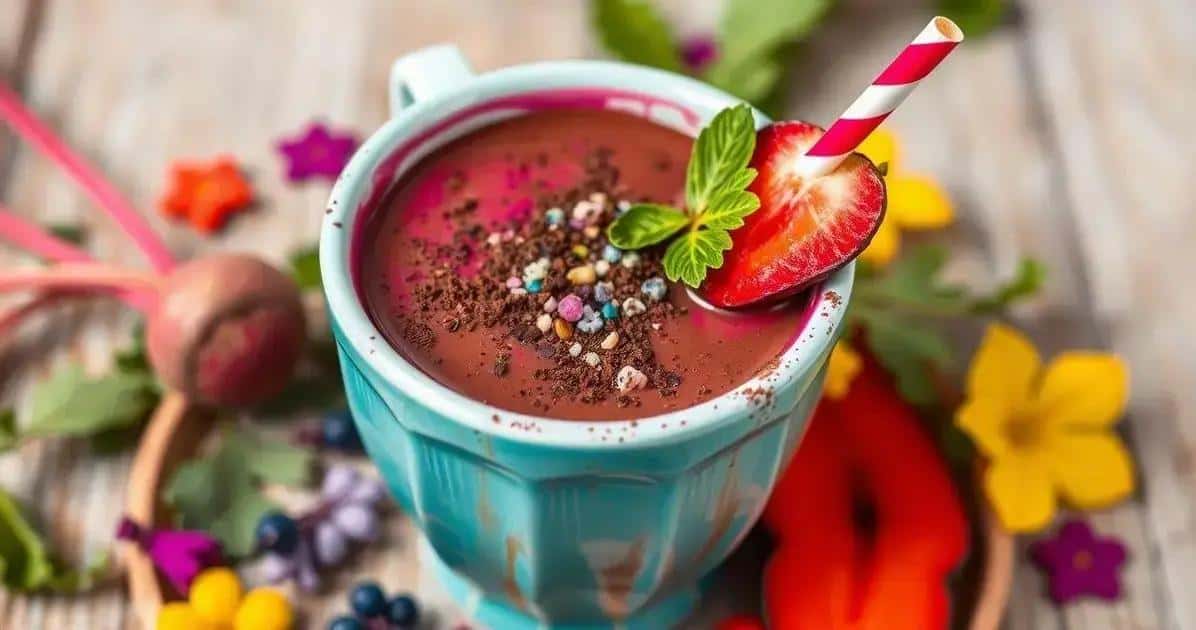
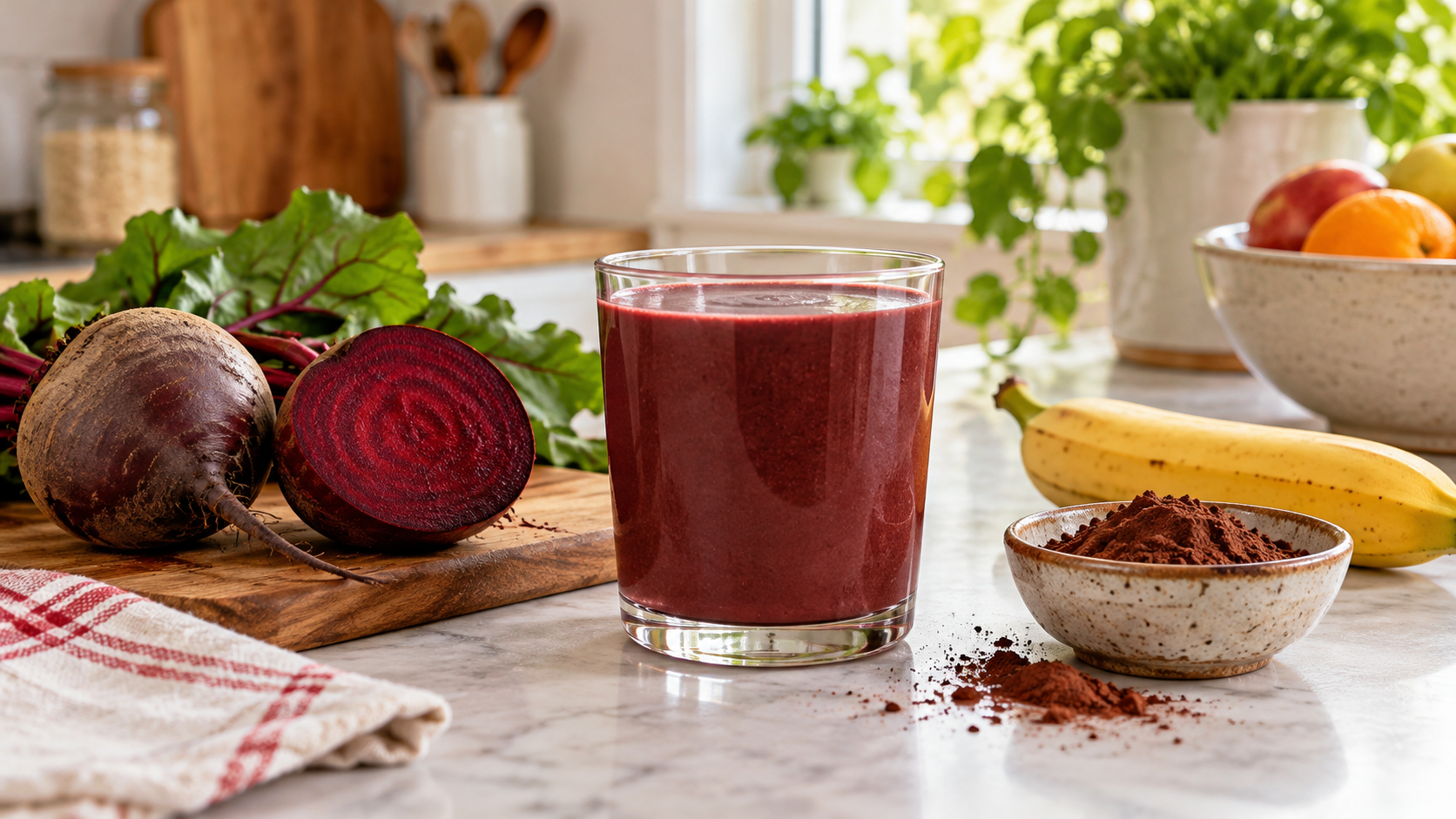
Beetroot adds colour, fibre and an earthy taste, while cocoa supplies flavour. This is a food idea rather than a treatment, detox or guaranteed way to improve a child’s health. A varied diet matters more than one colourful drink.
Ingredients for two small servings
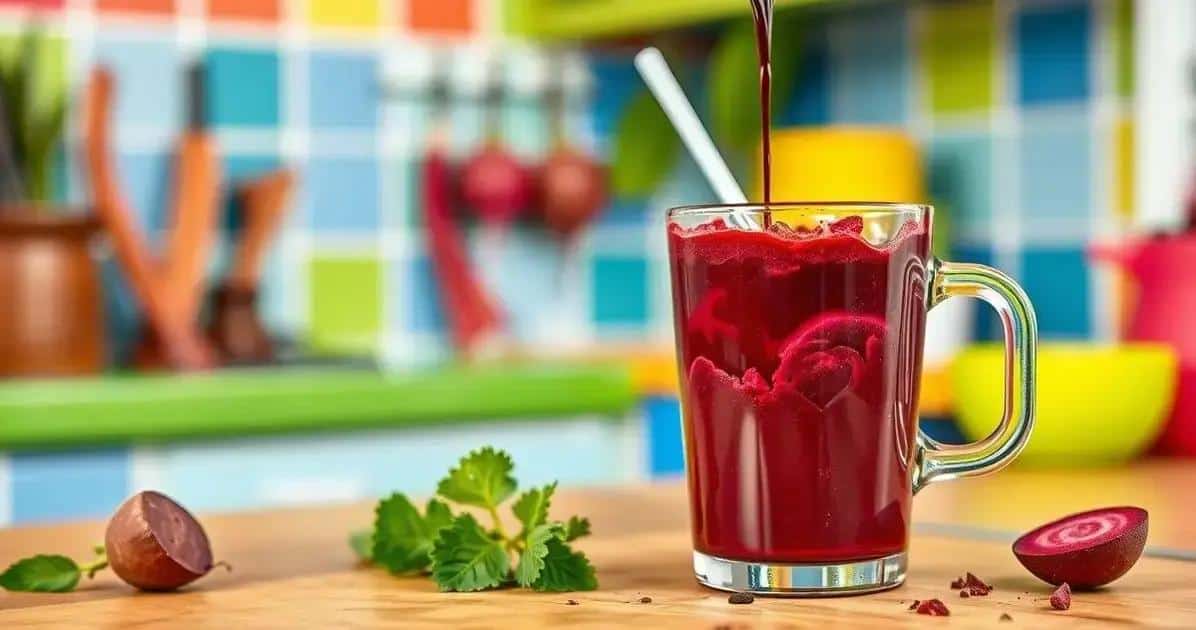
Use 100 g cooked beetroot, 300 ml milk or a suitable unsweetened alternative, one to two teaspoons unsweetened cocoa and a little ripe banana if sweetness is needed. Check that every ingredient is appropriate for the child’s age and allergies.
Cook and blend the beetroot
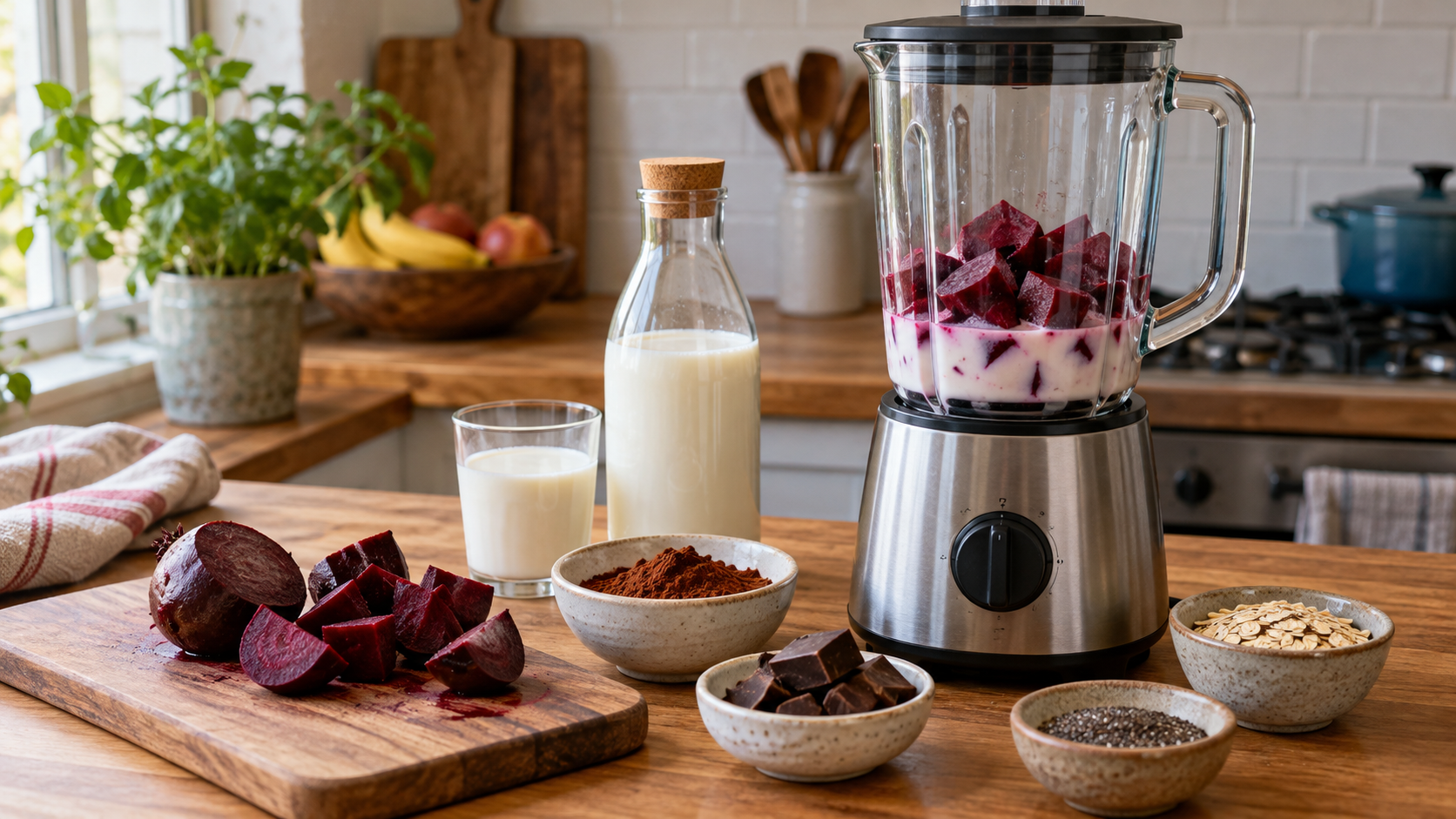
Use plain cooked beetroot without vinegar or heavy seasoning. Blend it with part of the liquid until completely smooth, then add the rest. For younger children, strain only if texture is a problem; do not rely on straining to remove an allergen.
Add cocoa without excess sweetness
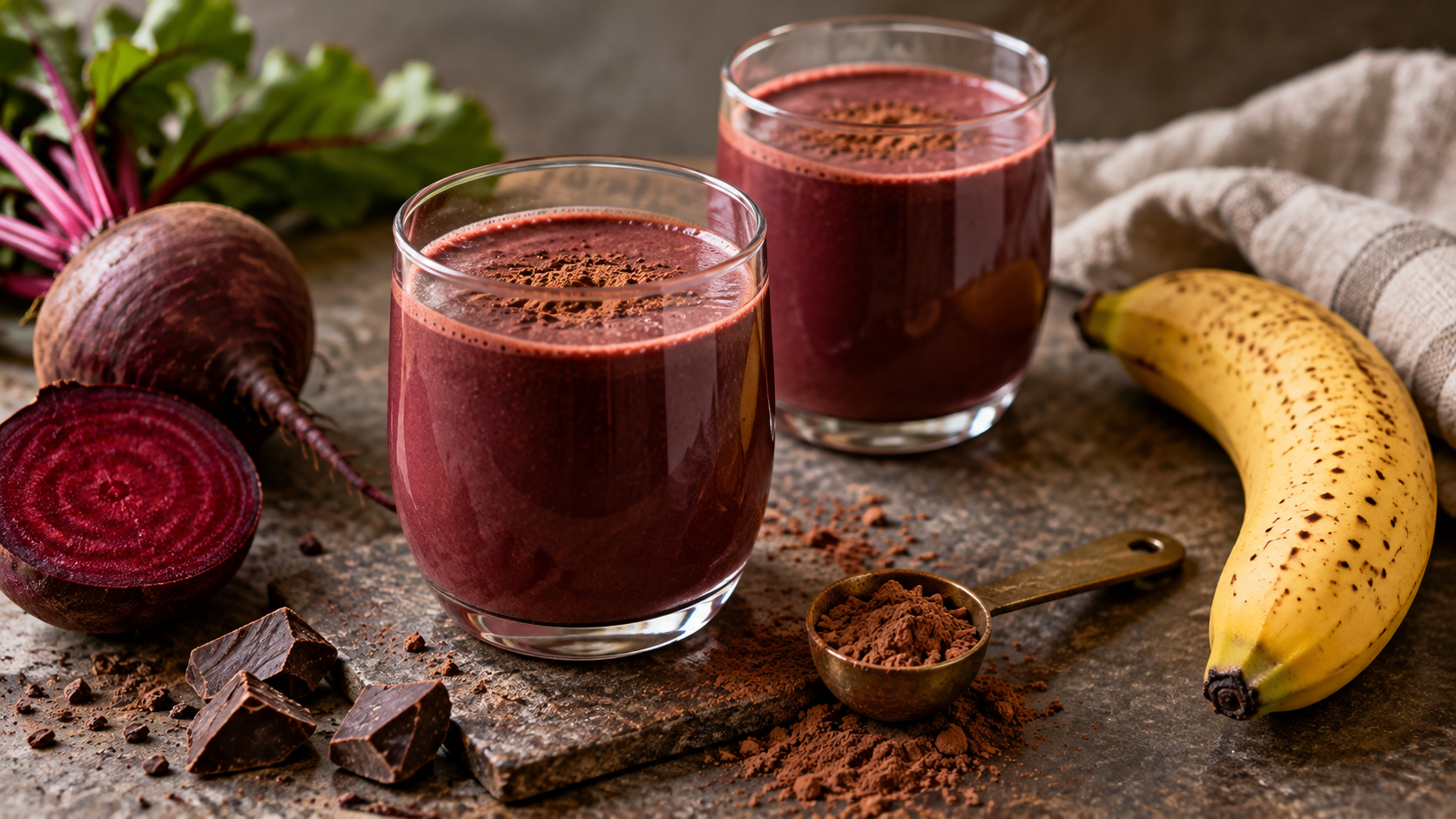
Whisk in cocoa and taste before sweetening. Cocoa can be bitter, but large amounts of sugar turn the drink into a dessert. Avoid adding caffeinated chocolate powders or supplements. Serve cool or warm, never hot enough to burn.
Serve with age and allergy checks
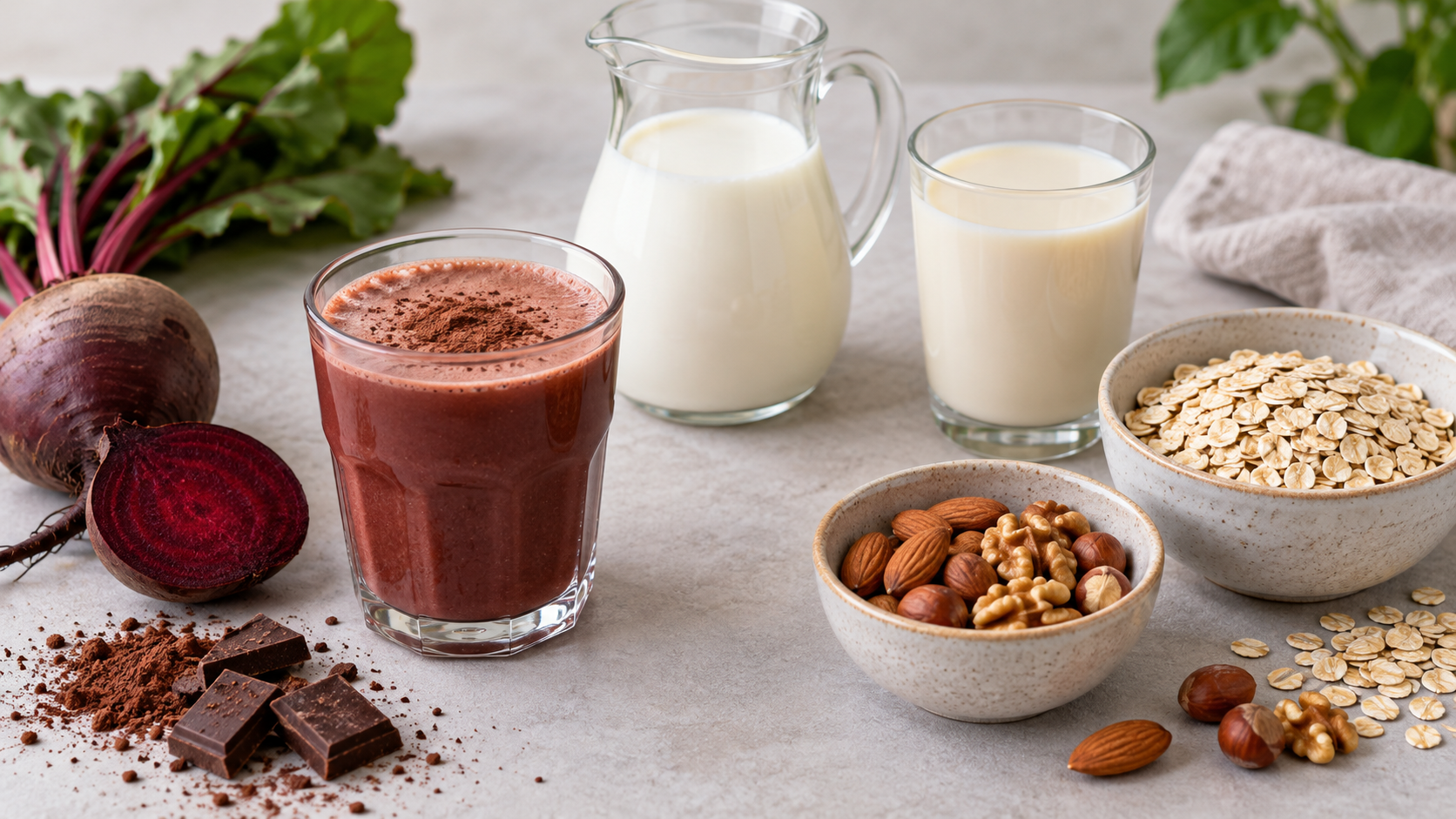
The recipe may contain milk and other allergens according to the products used. Supervise young children, offer an age-appropriate portion and refrigerate leftovers promptly. Red or pink urine after beetroot can occur, but seek medical advice for unexpected or concerning symptoms.
Frequently asked questions
Why was the source not translated word for word?
The topic needed factual, safety, cultural or recipe correction, so the useful idea was rewritten directly in British English.
Can a suggested portion be used for every person?
No. Age, health, allergies, medicines, caffeine tolerance and the rest of the diet can change what is appropriate.
Does heating remove all alcohol or caffeine?
No. Do not assume either substance disappears; label it clearly and use the product only for an appropriate audience.
How should allergens be handled?
Check every current pack, consider cross-contact and keep accurate ingredient information with the finished product.
Can homemade products be sold using this guide alone?
No. Sellers need compliant registration, hygiene, labelling, traceability and validated storage for their actual process.
What should be done when a historical claim is uncertain?
Use qualified archives or primary records and describe uncertainty rather than inventing a precise date or first inventor.