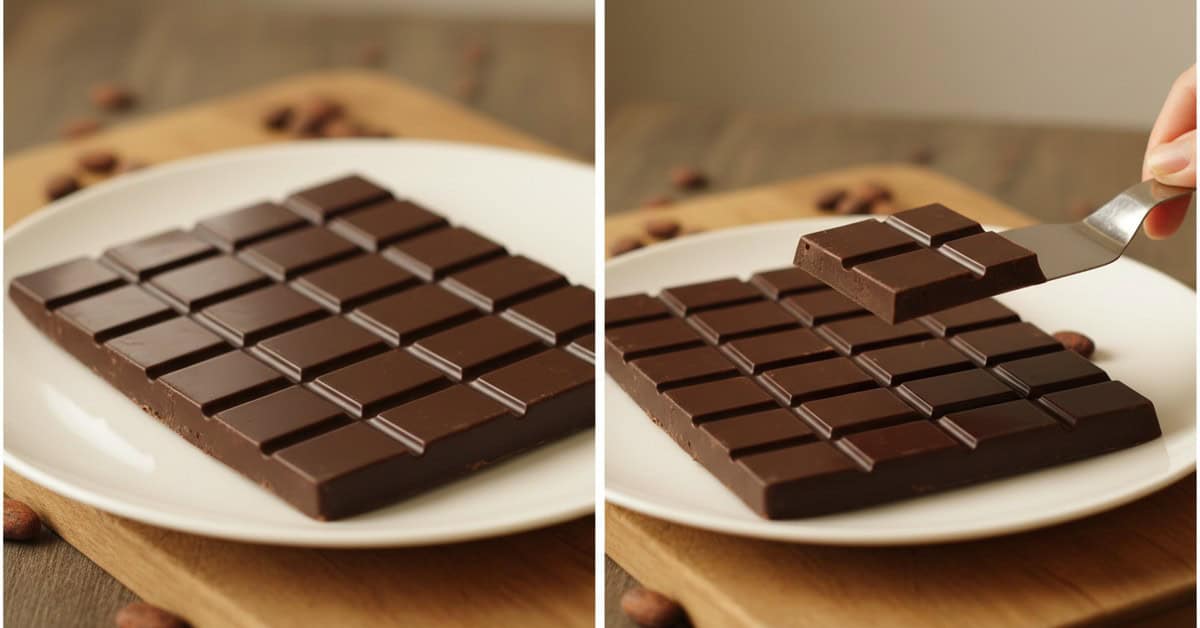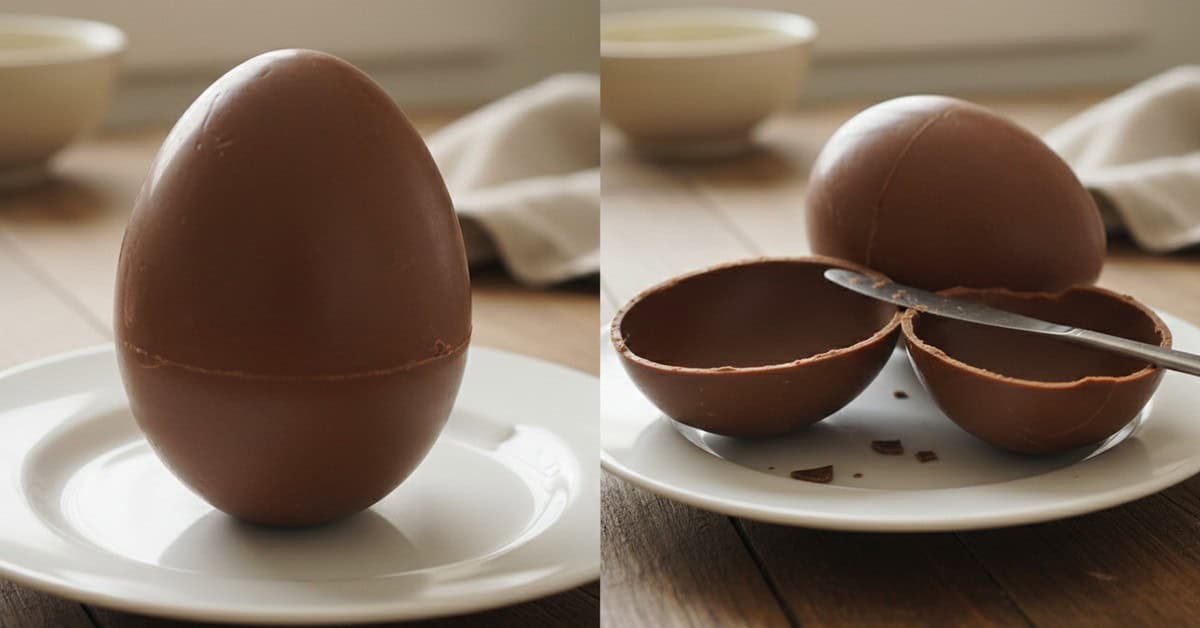

Confirm the product is suitable
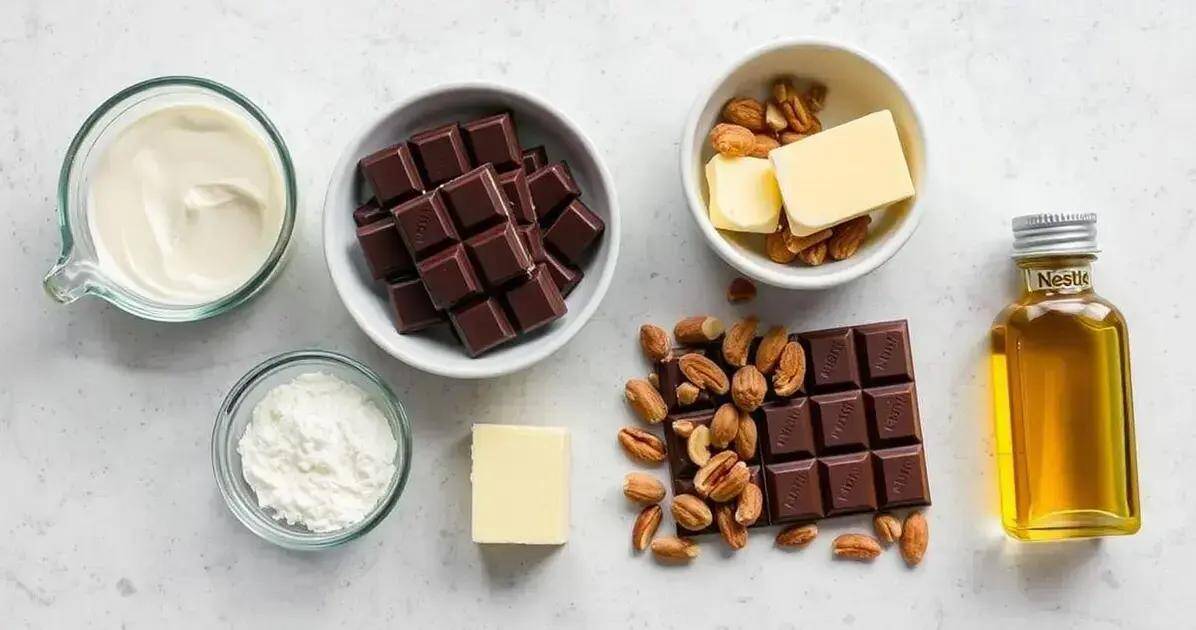
Plain couverture is normally easier to temper and mould than filled or inclusion bars. Check ingredients and manufacturer guidance before using a branded eating bar.
Choose the right mould
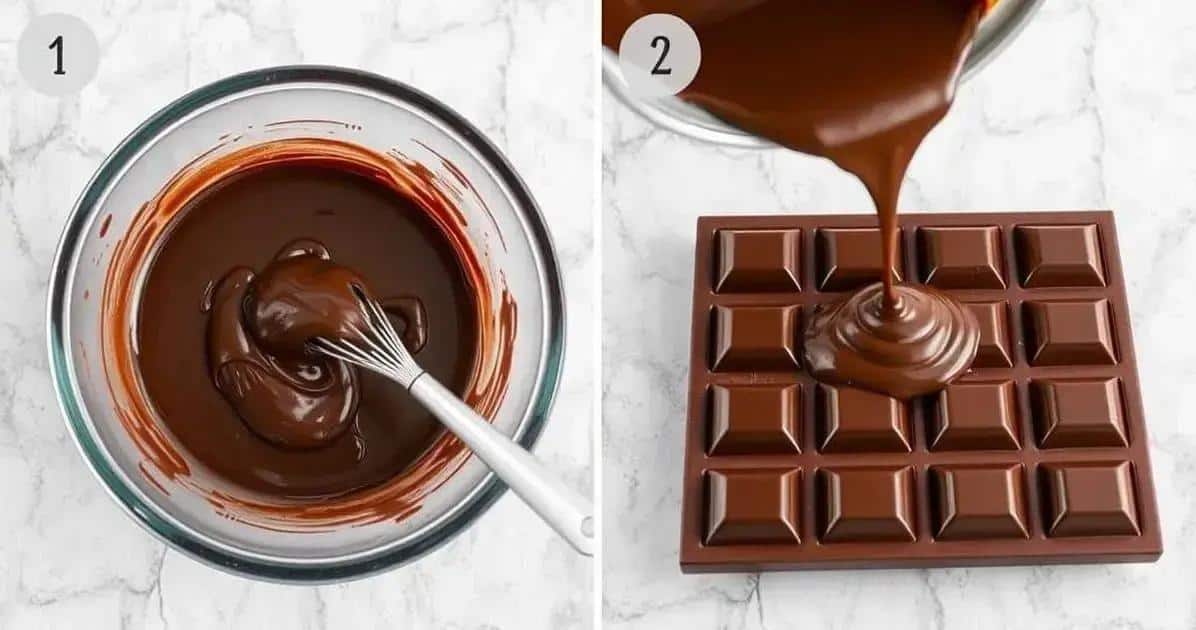
Use a clean, dry food-grade mould. Size affects chocolate quantity, cooling time and the strength needed for handling.
Temper for shine and release
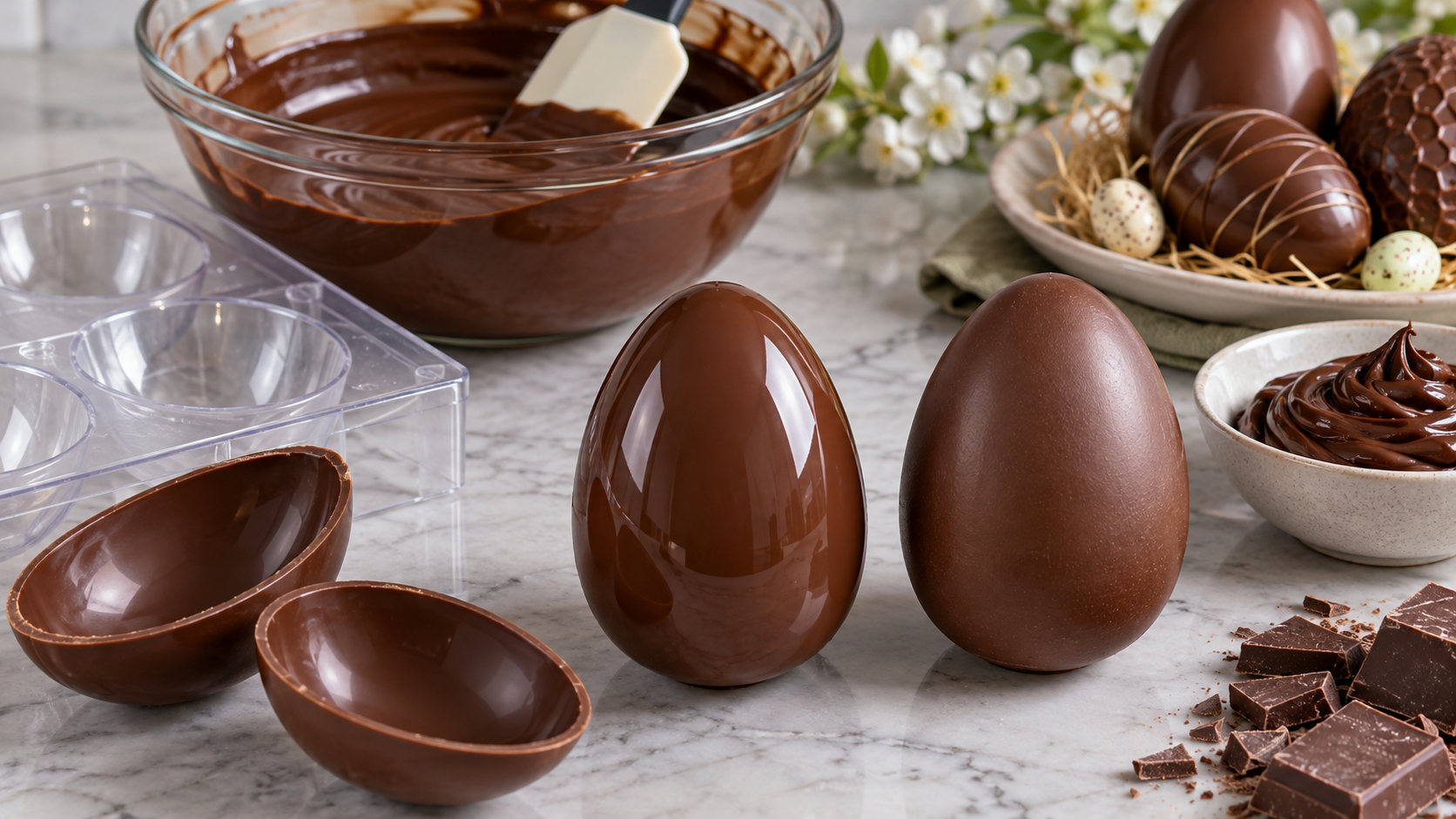
Follow the correct tempering curve for dark, milk or white chocolate. A stable temper gives shine, snap and contraction from the mould.
Build an even shell
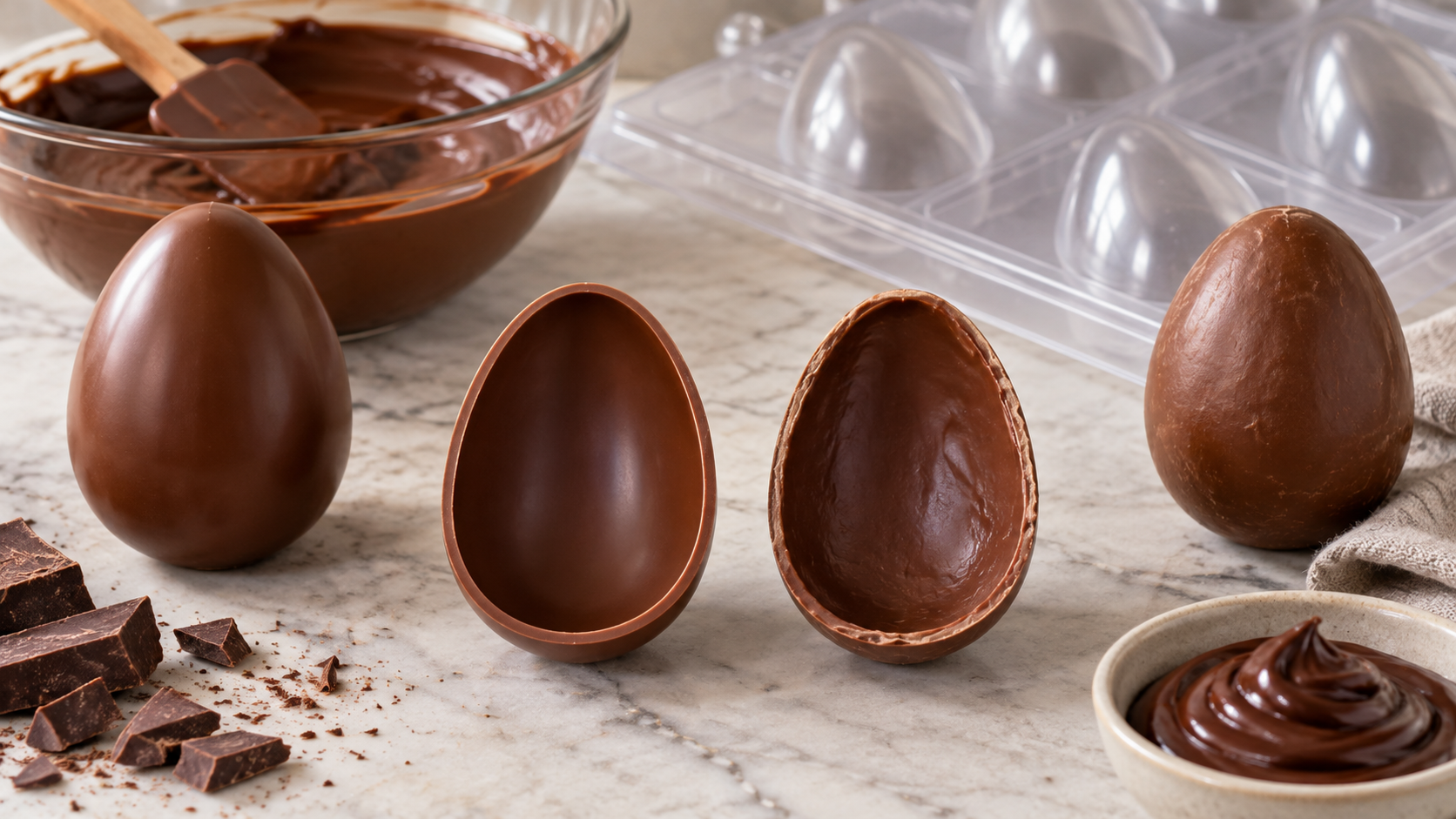
Rotate or brush chocolate into an even layer and reinforce weak edges without making the whole shell excessively thick.
Join the halves carefully
Warm the rims very lightly on a flat surface or use tempered chocolate as an adhesive. Wear clean gloves to avoid fingerprints.
Plan fillings separately
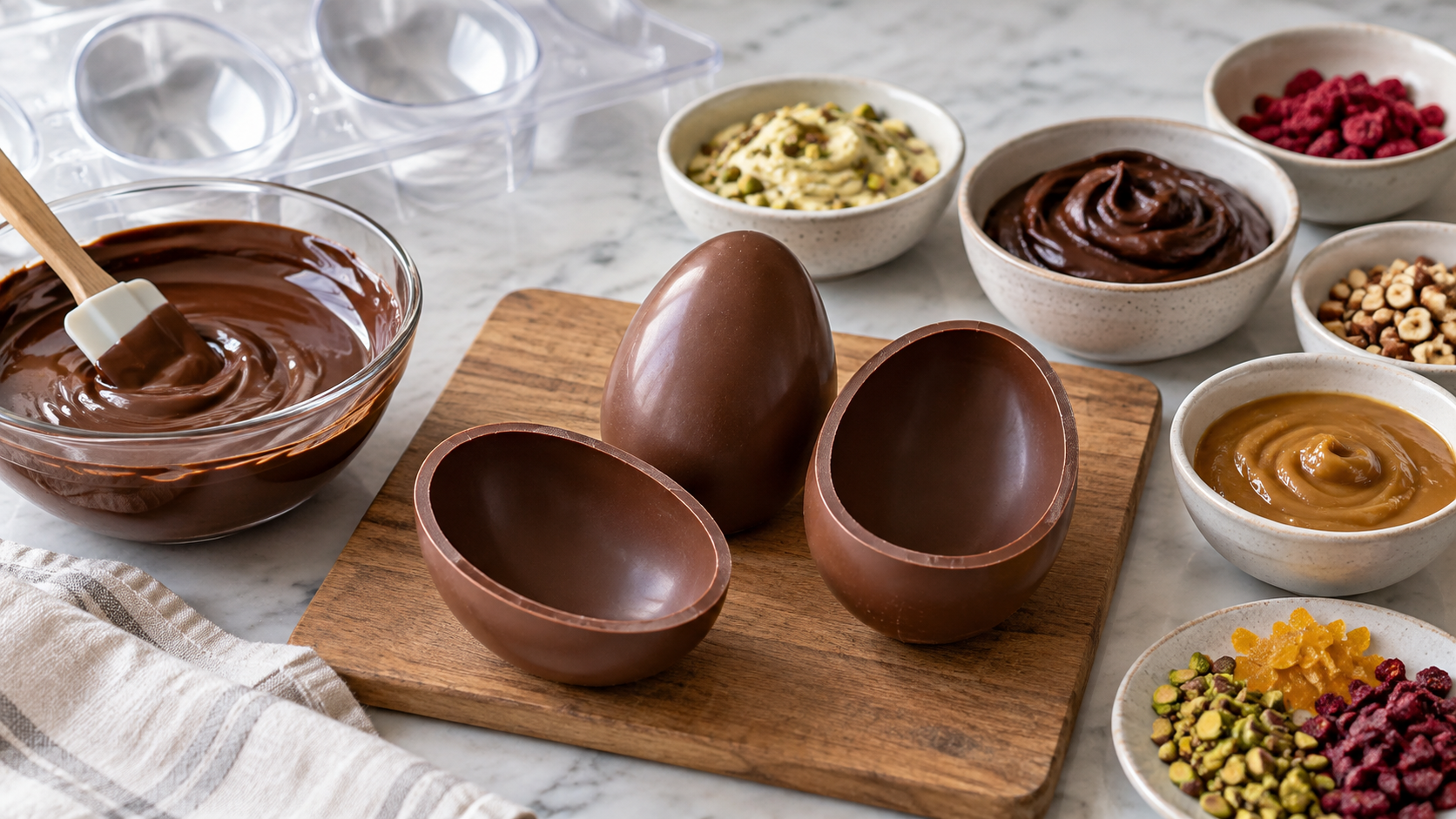
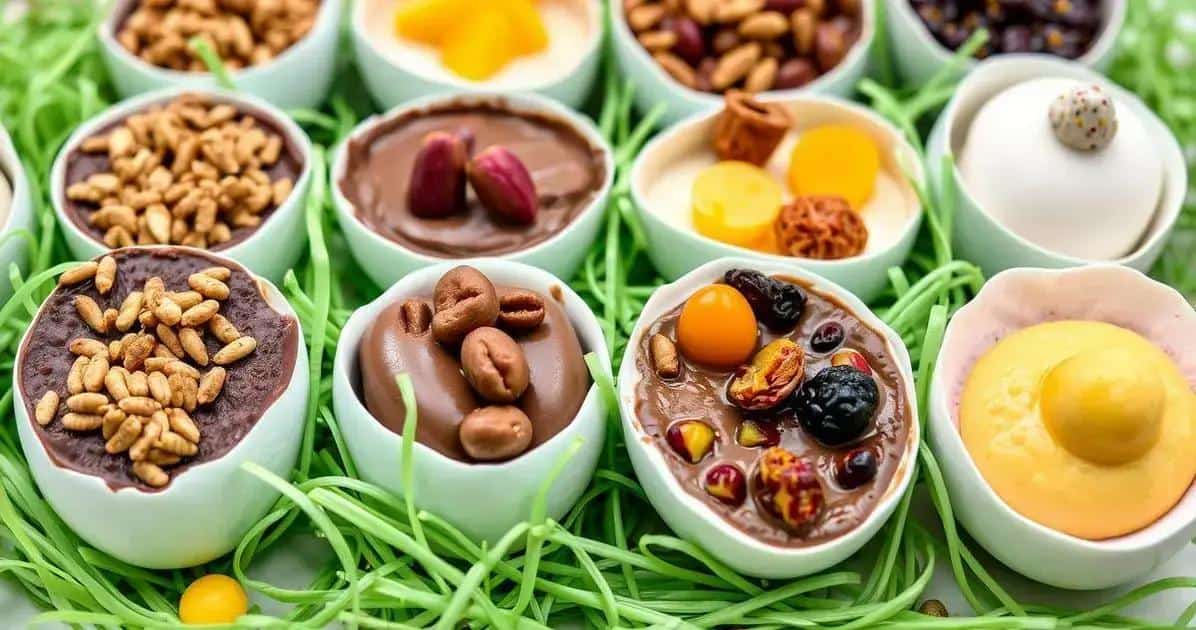
Loose sweets, ganache and truffles each have different storage and allergen needs. Keep perishable fillings in separate suitable packaging.
Package and label the egg

Protect from heat and impact, list ingredients and allergens, and provide storage guidance. Avoid toys or small parts where they could create a hazard.
Frequently asked questions
Can any eating chocolate bar be used for moulding?
No. Check whether it is plain cocoa-butter chocolate and test its fluidity, temper and release.
How should filled chocolate be stored?
Follow the needs of the filling; cream, fruit and custard can require shorter life and refrigeration.
Does melting chocolate make it tempered?
No. Tempering is a controlled crystallisation process used for shine, snap and mould release.
How should wholesale prices be compared?
Compare delivered cost per kilogram, minimum order, storage, waste and usable finished yield.
Which allergens are common in chocolate sweets?
Milk, soya, nuts and gluten are common, but every current ingredient label and cross-contact risk must be checked.
What records should a seller keep?
Keep supplier labels, batch codes, recipes, temperatures, yields, dates, allergen information and customer orders.