
Sugar-free does not mean calorie-free
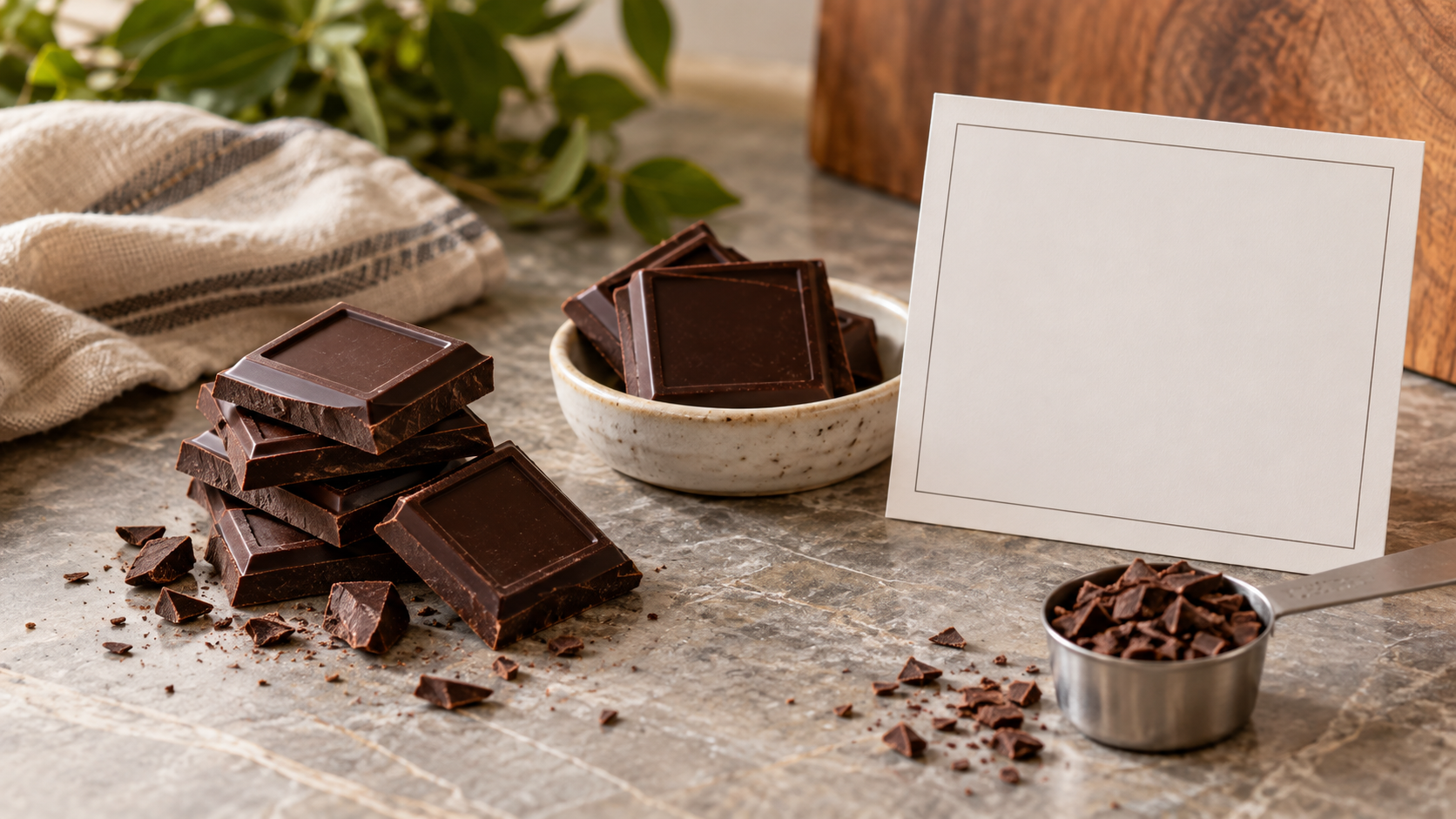
A sugar-free claim refers to defined sugar limits under local labelling rules. Chocolate still contains fat and energy, so the claim does not make unlimited portions appropriate.
Understand sweeteners and sugar alcohols
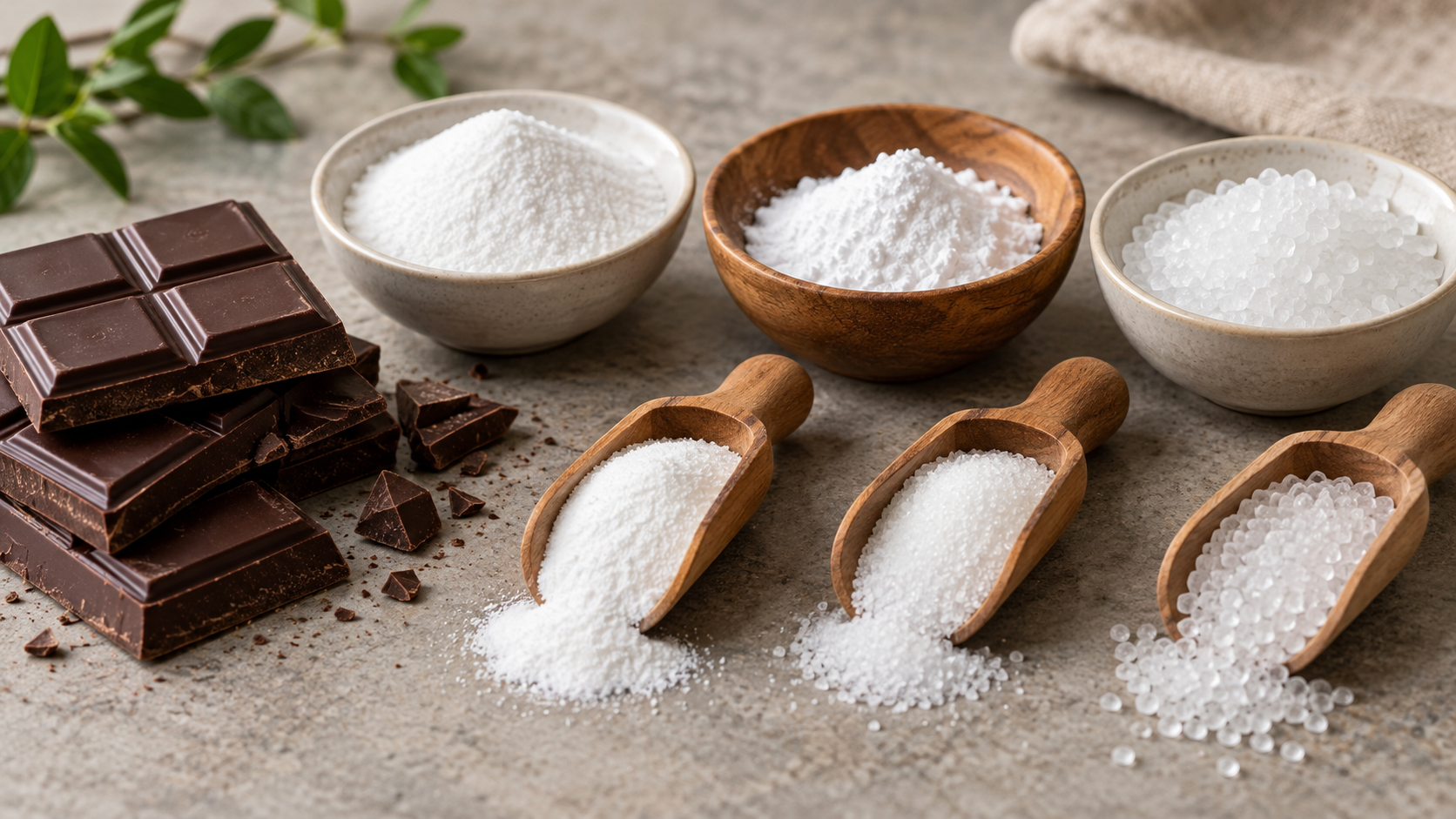
Products may use sweeteners or sugar alcohols such as maltitol or erythritol. These change sweetness, texture and sometimes digestive tolerance, especially in larger portions.
Check the cocoa and fat ingredients
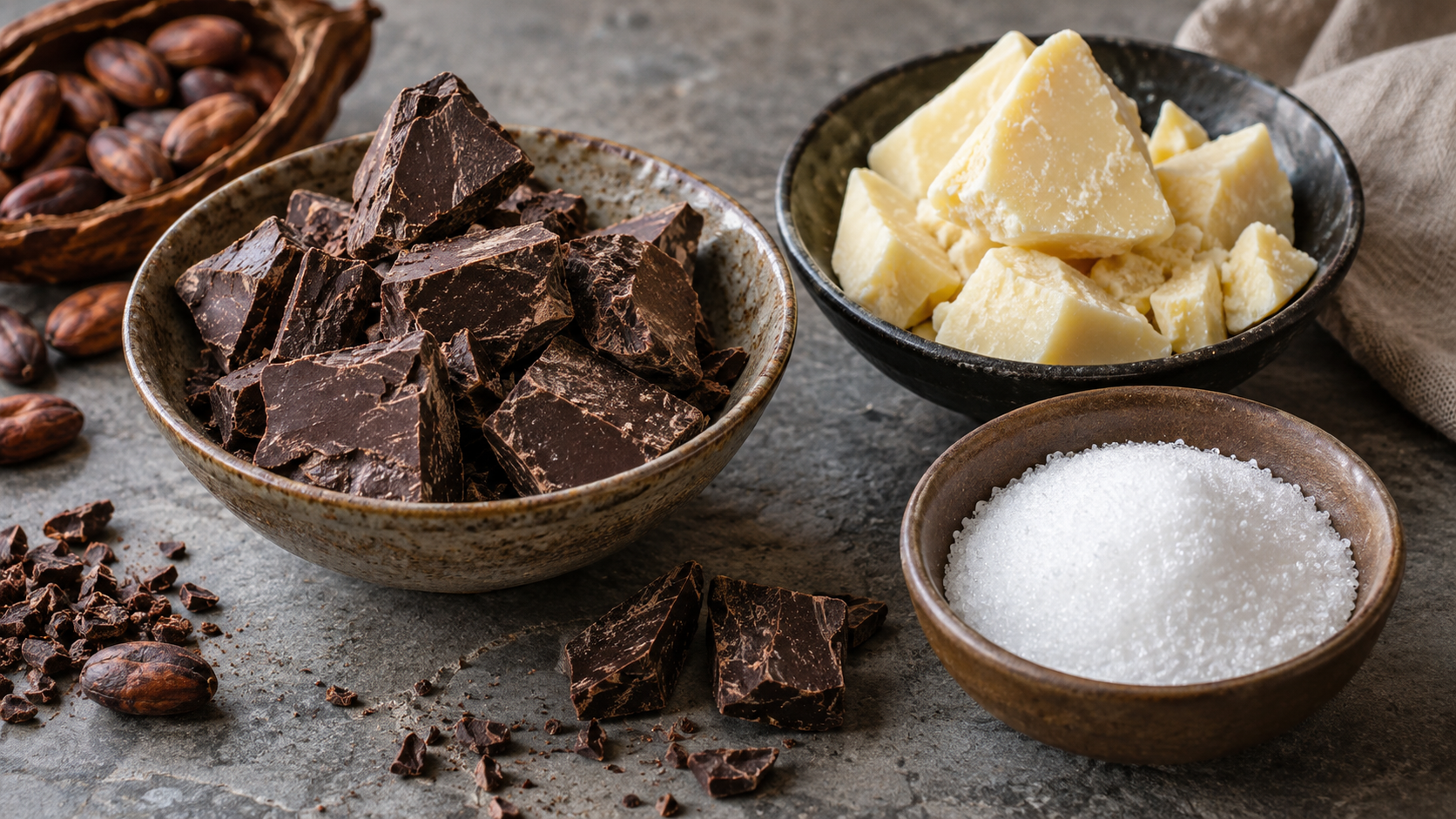
Check whether the product uses cocoa butter or other vegetable fats and how much cocoa it contains. Sugar-free and high-quality are separate questions.
Consider portion and digestive tolerance
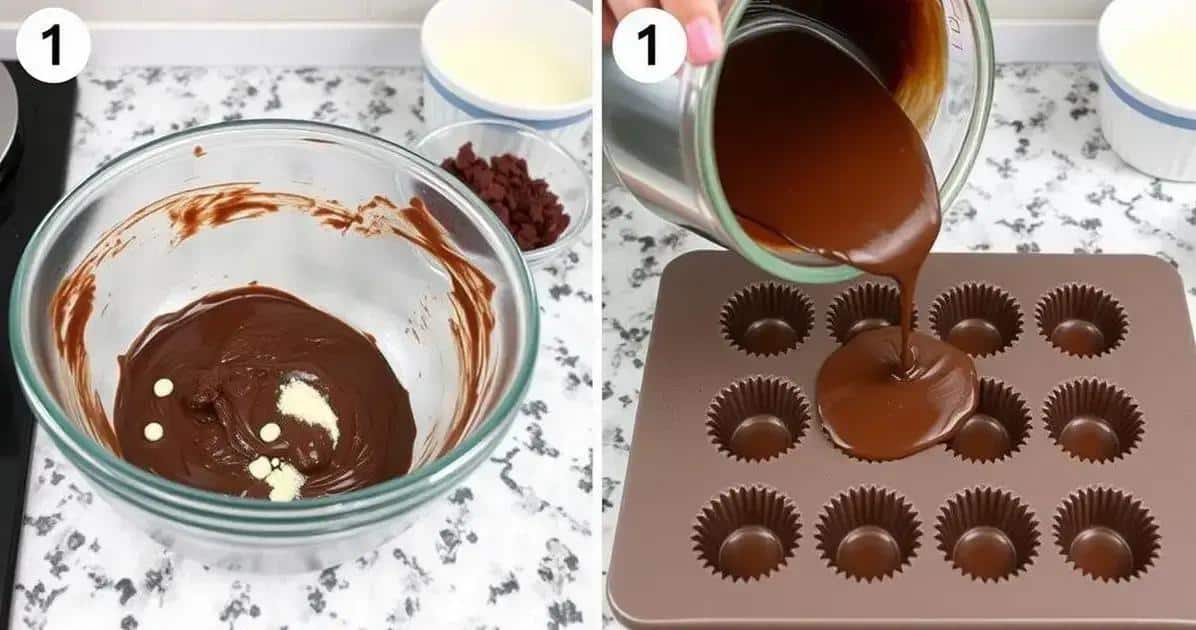
Begin with a modest portion if you are unfamiliar with the sweetener. Some products carry advisory wording about excessive consumption and laxative effects.
Use it carefully in recipes
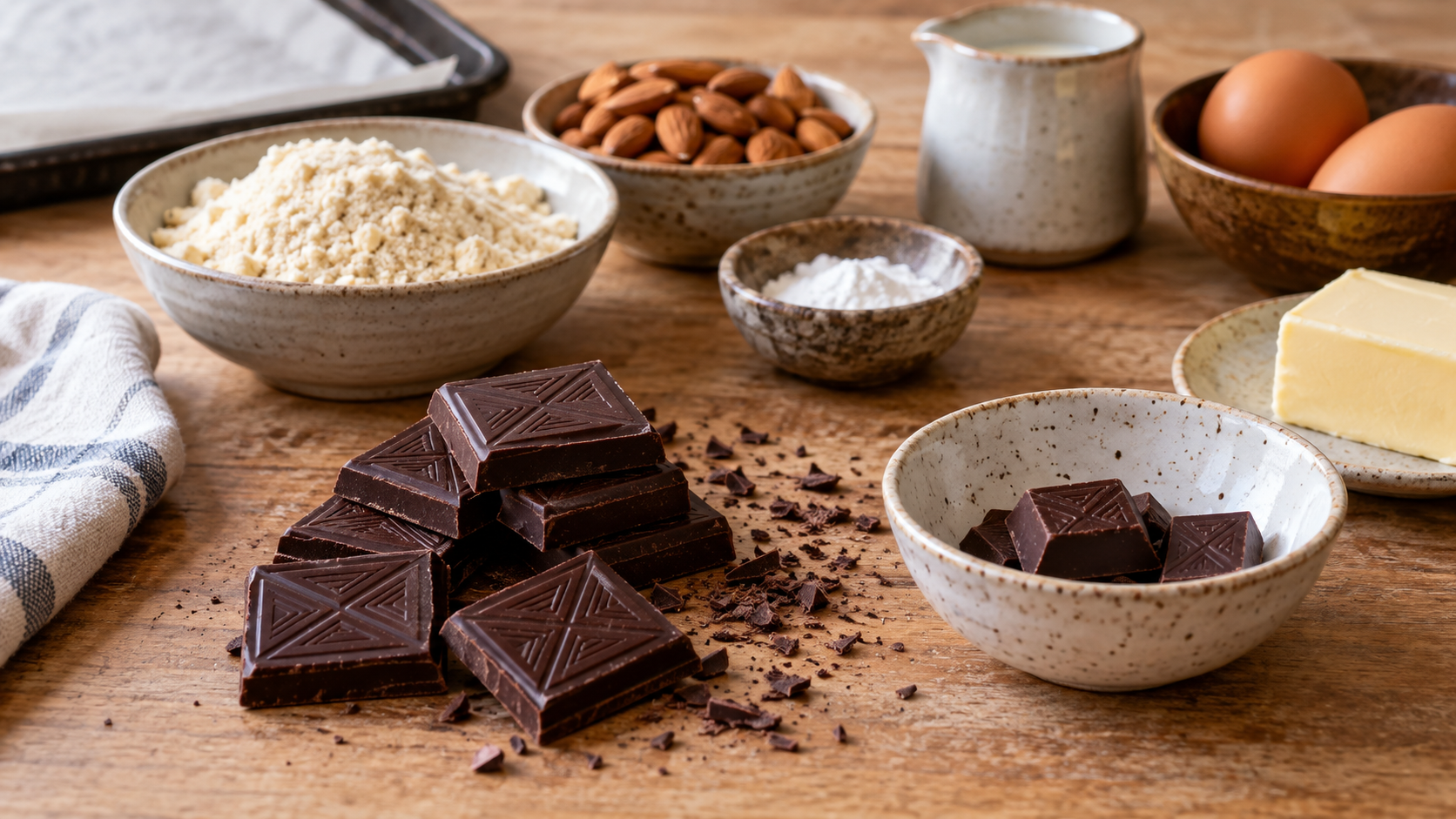
Sugar affects more than sweetness in baking. A sugar-free bar may melt or set differently, so use a recipe designed for that product rather than making a direct swap.
Read allergen and nutrition labels
Read the complete nutrition panel and milk, soya, nut or gluten warnings. Sugar-free does not mean dairy-free, allergen-free or suitable for every diet.
Ask for medical advice when needed
People managing diabetes or another medical condition should follow individual professional guidance. Do not use a general article or marketing claim as a treatment plan.
Frequently asked questions
Does a higher price guarantee better chocolate?
No. Judge ingredients, handling information, flavour, traceability and suitability for the intended recipe.
Do I need to test a product before buying in bulk?
Yes. Melt, temper or set a small batch with the real filling, packaging and storage conditions.
Which allergens should I check?
Read every label for milk, soya, nuts, gluten and other required allergens, including cross-contact warnings.
How should chocolate products be stored?
Keep plain chocolate cool and dry, and refrigerate finished items when their fillings require it.
Can I rely on marketing claims?
Use specific label definitions, standards and evidence rather than broad words such as premium, healthy or sustainable.
What records should a small seller keep?
Retain supplier labels, batch codes, dates, recipes, yields, temperature notes and customer-facing ingredient information.