
Why chocolate seizes
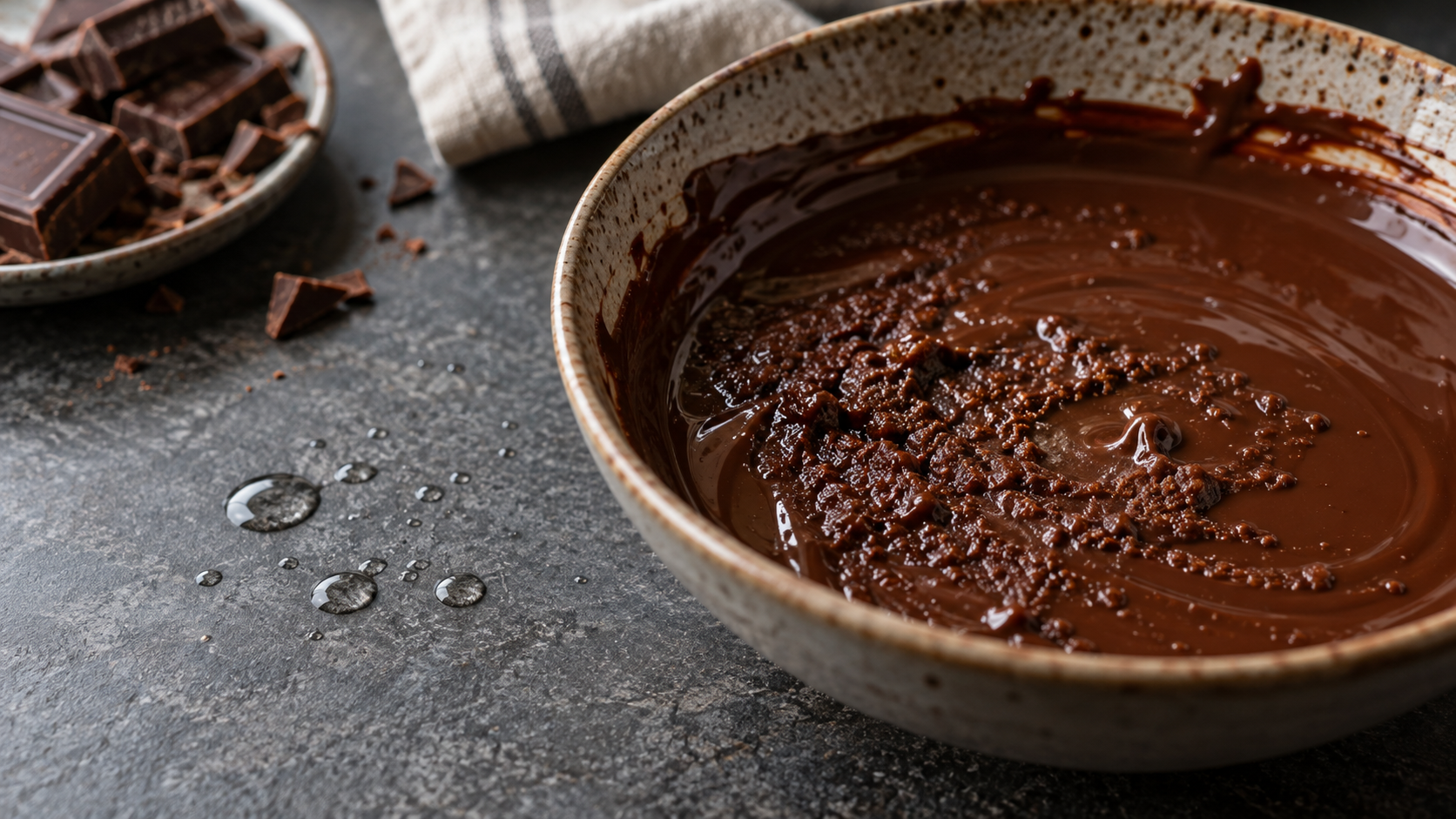
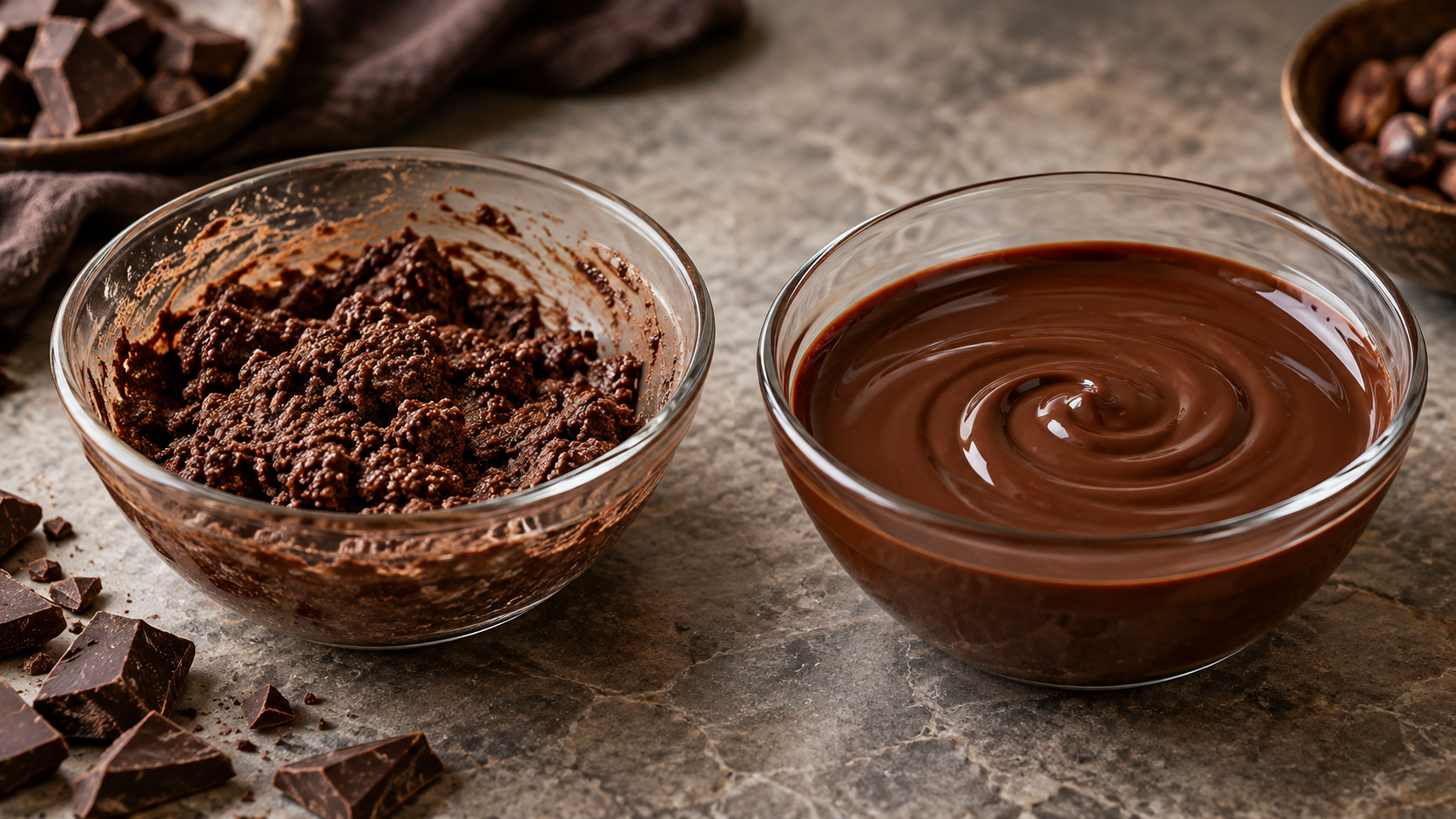
Melted chocolate can seize into a thick grainy mass when a small amount of water or steam makes dry sugar particles clump. Overheating can also create a stiff scorched mixture, which is a different problem.
Stop before adding more heat
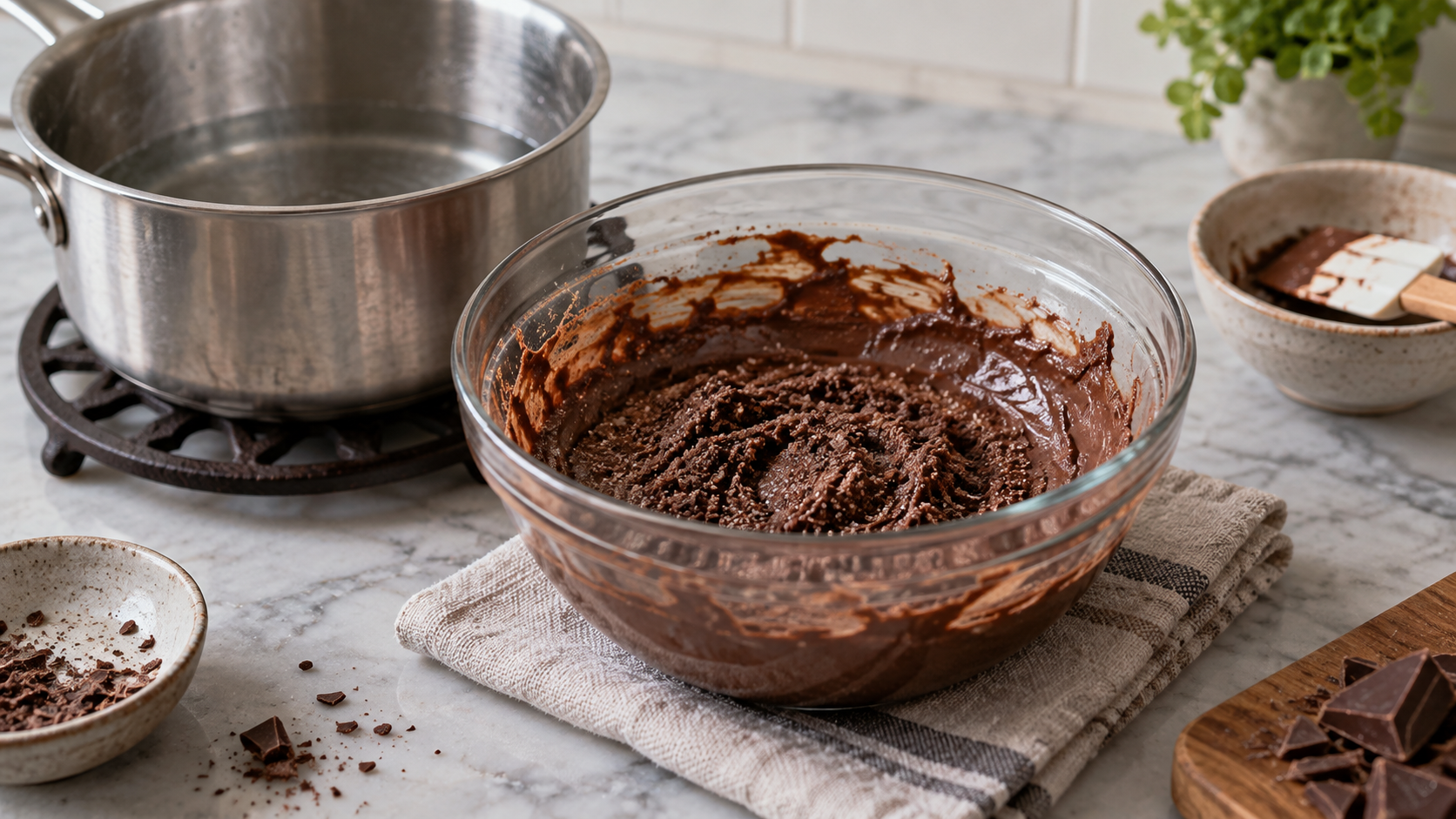
Remove the bowl from heat and identify the cause. More heat alone will not fix water-seized chocolate and may burn it.
Turn it into a sauce
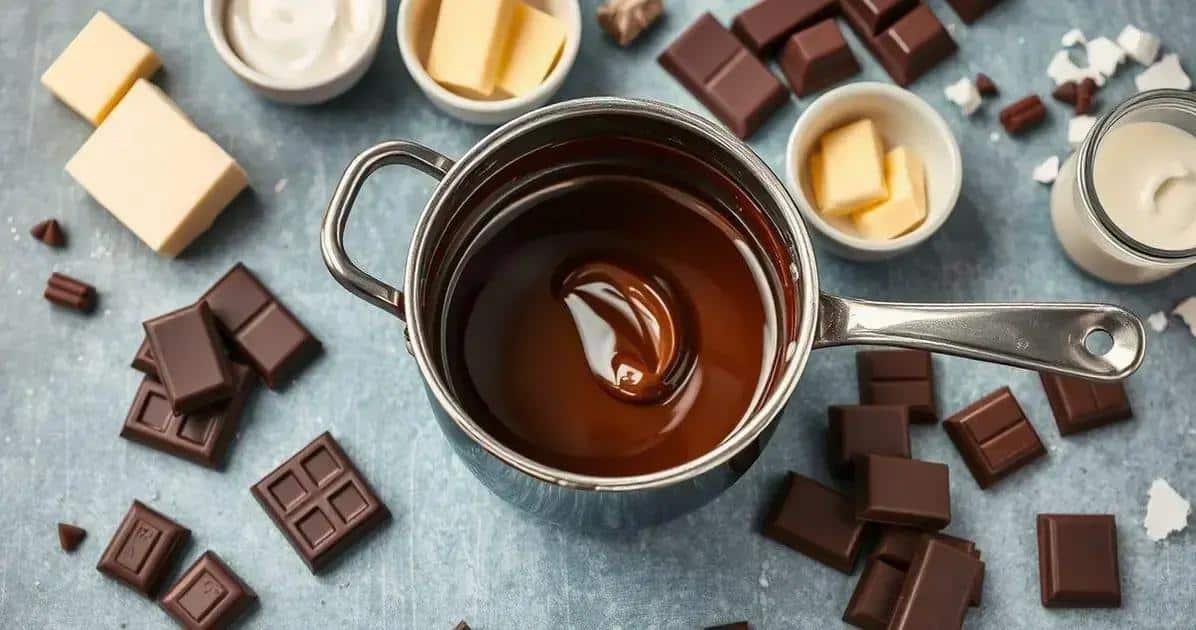
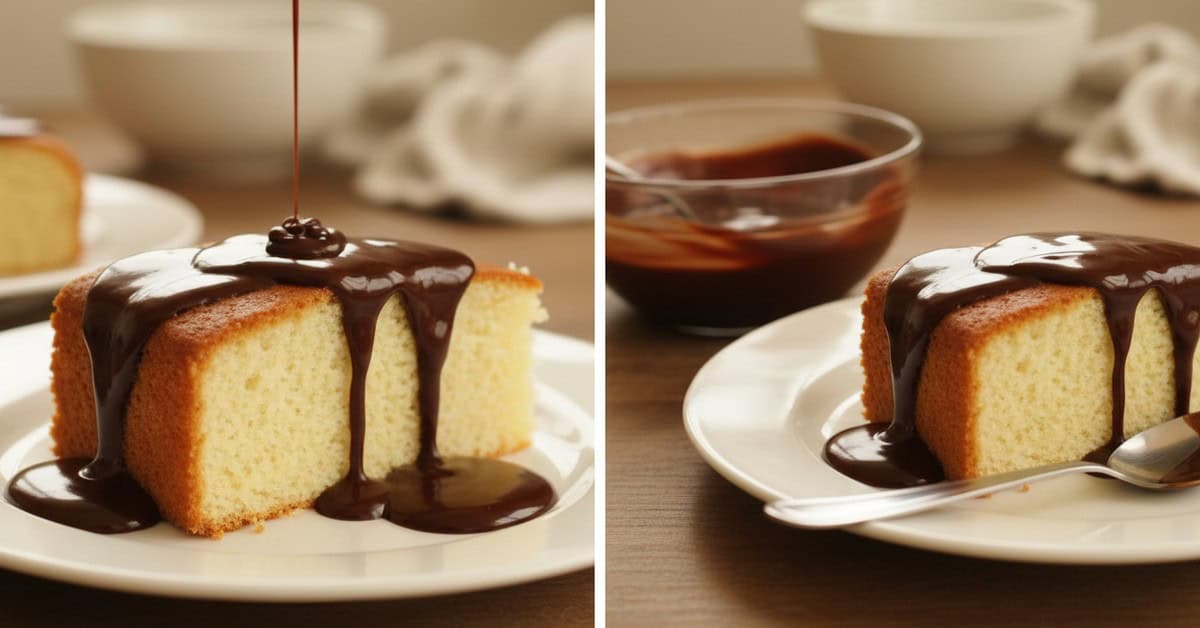
For a sauce, whisk in hot water, milk or cream a little at a time until smooth. Once liquid is deliberately added in sufficient quantity, the chocolate can form an even mixture again.
Use it in a ganache
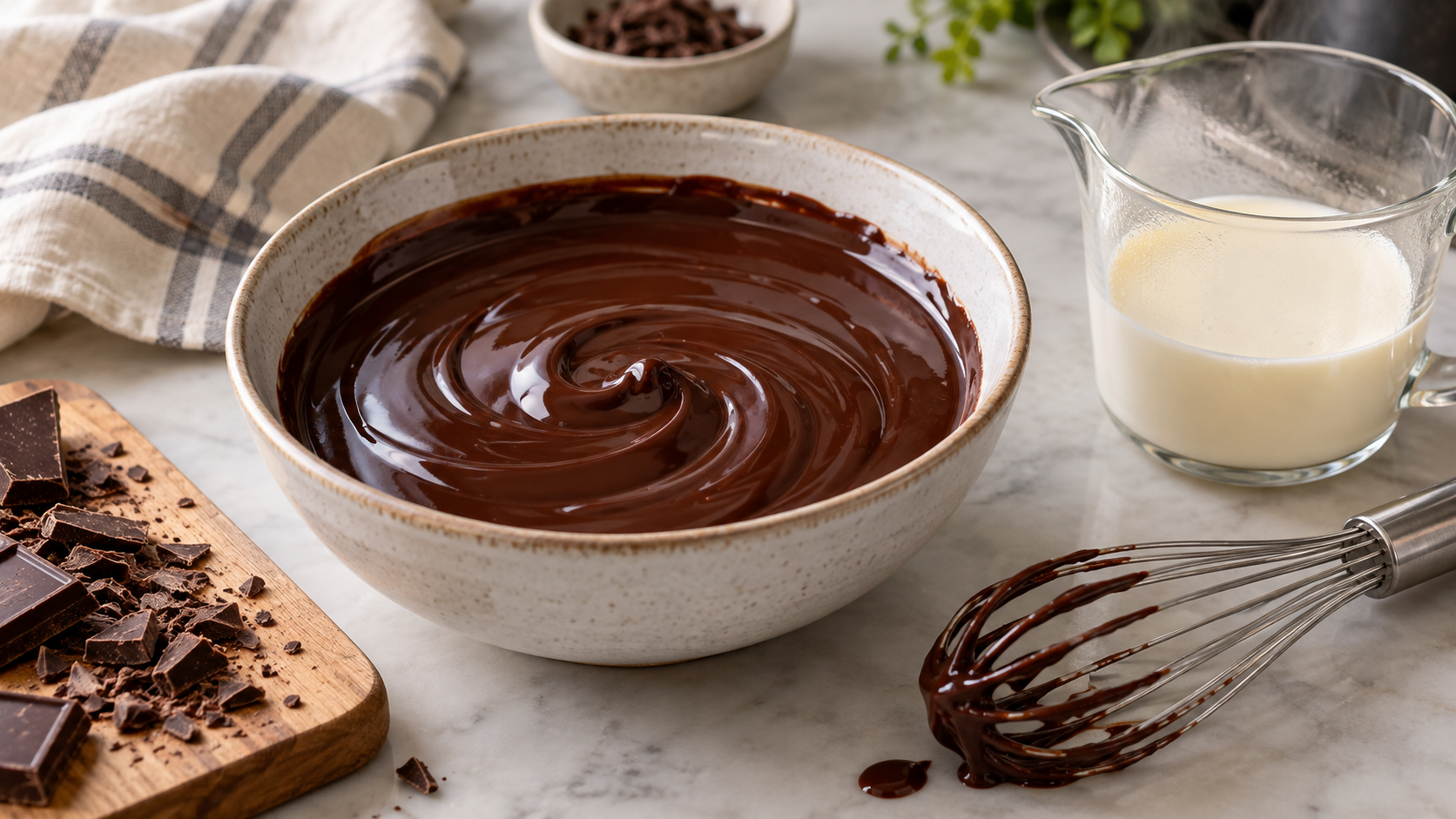
If the ingredients and recipe allow, use warm cream to convert the seized chocolate into ganache. Add it gradually and blend without incorporating air.
When it cannot be tempered again
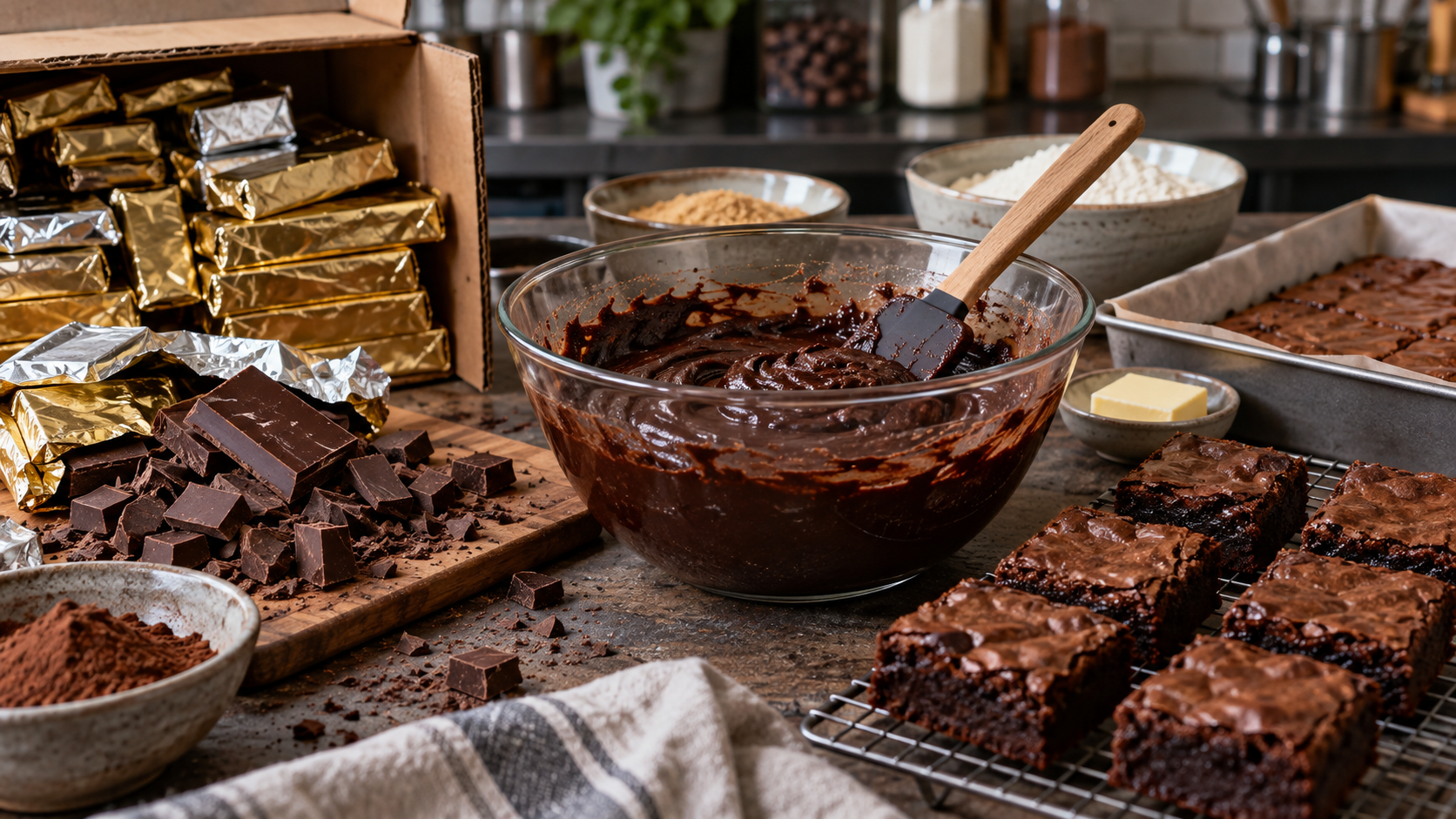
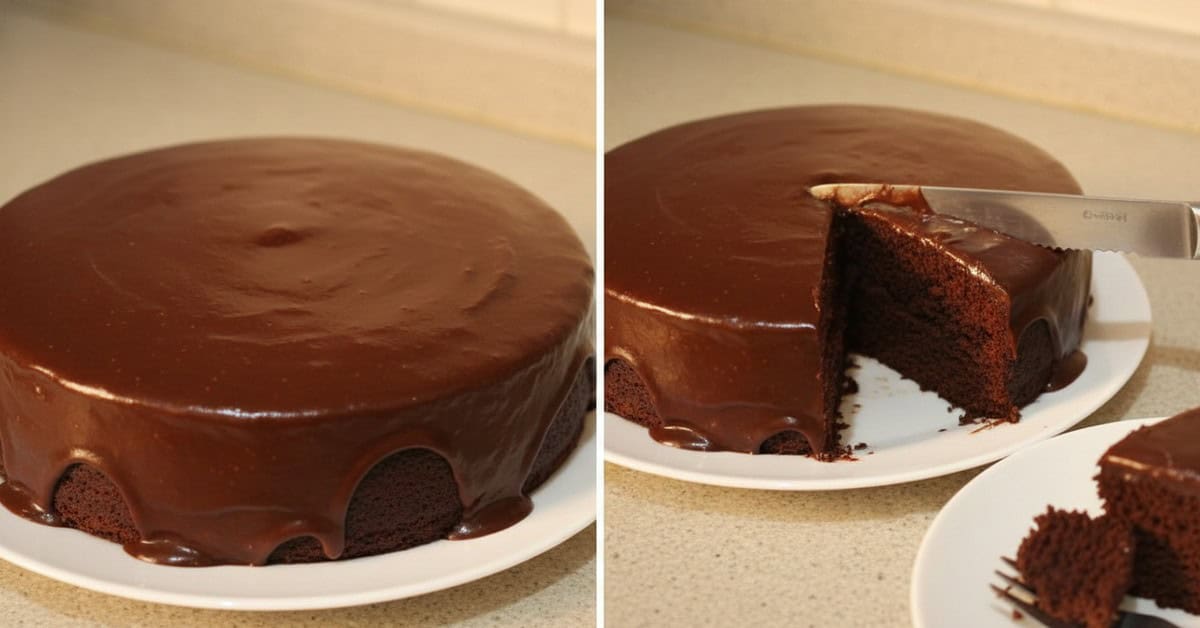
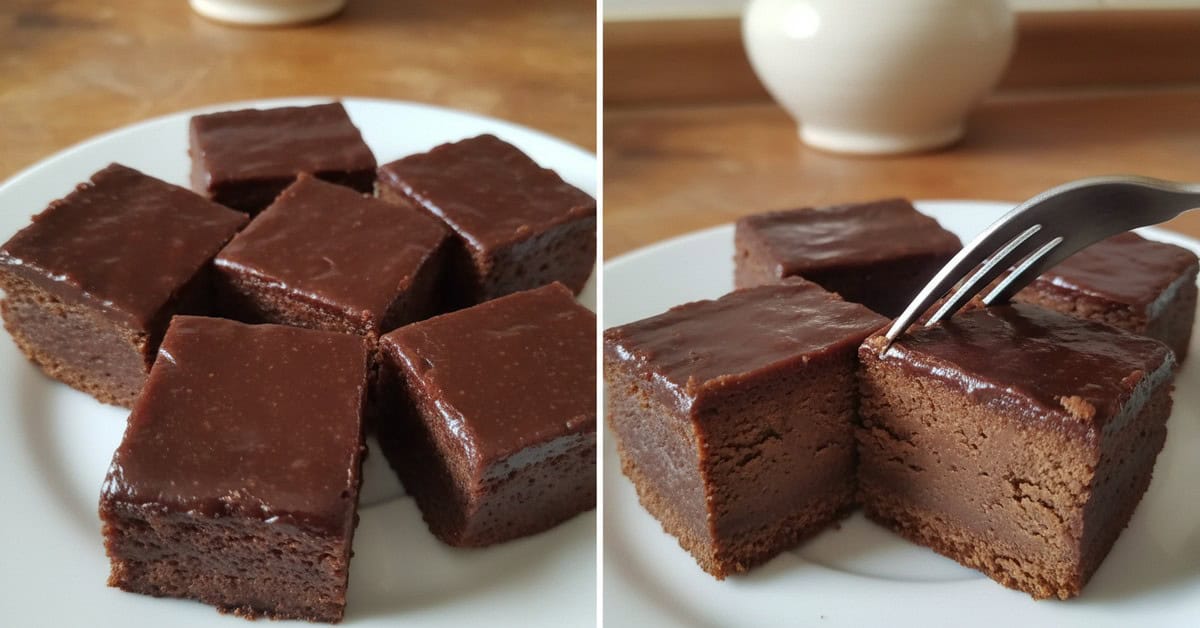
Chocolate recovered with added liquid is no longer suitable for tempering or making a crisp shell. Use it in sauce, cake batter, brownies or another recipe designed for moisture.
Prevent the problem next time
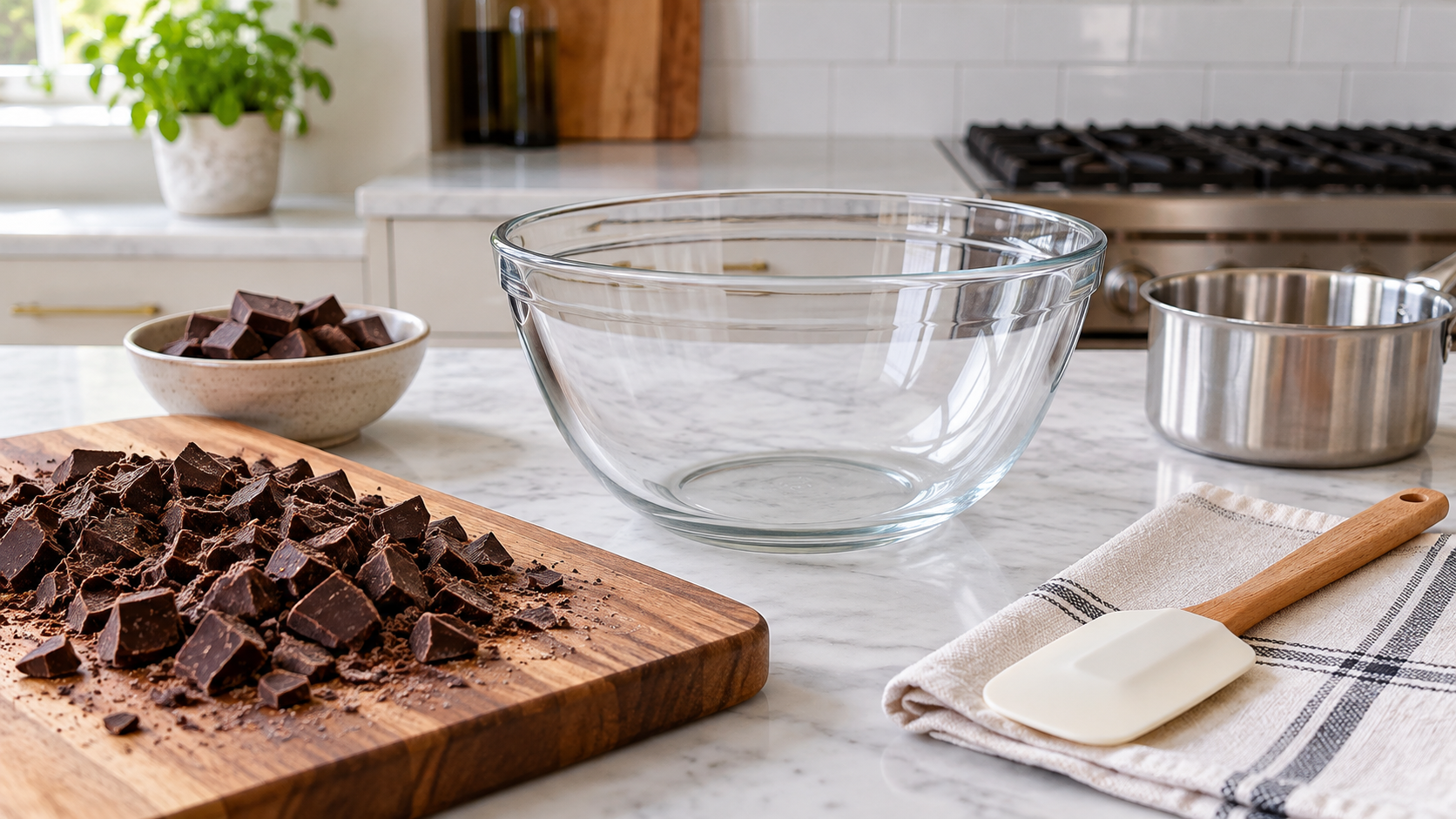
Keep bowls and tools completely dry, cover steaming pans carefully and dry the outside of a bain-marie bowl before pouring. Melt gently and stir often.
Frequently asked questions
Can I substitute one chocolate for another?
Only when the recipe allows it. Cocoa solids, cocoa butter, milk and sugar change texture as well as flavour.
Why should I weigh chocolate?
Weight gives repeatable ratios for baking, ganache, fillings and coatings, while cup measures vary with piece size.
How should chocolate be melted?
Use gentle heat, stir frequently and keep water and steam away from the bowl.
How should finished chocolate be stored?
Keep plain chocolate cool and dry; refrigerate desserts and fillings that contain perishable ingredients.
Which allergens should I check?
Check every ingredient for milk, soya, nuts, gluten and other relevant allergens, including shared-equipment warnings.
Can I give it as a homemade gift?
Yes, with clean food-safe packaging and clear ingredient, allergen, date and storage information.