
Choose a suitable recipe
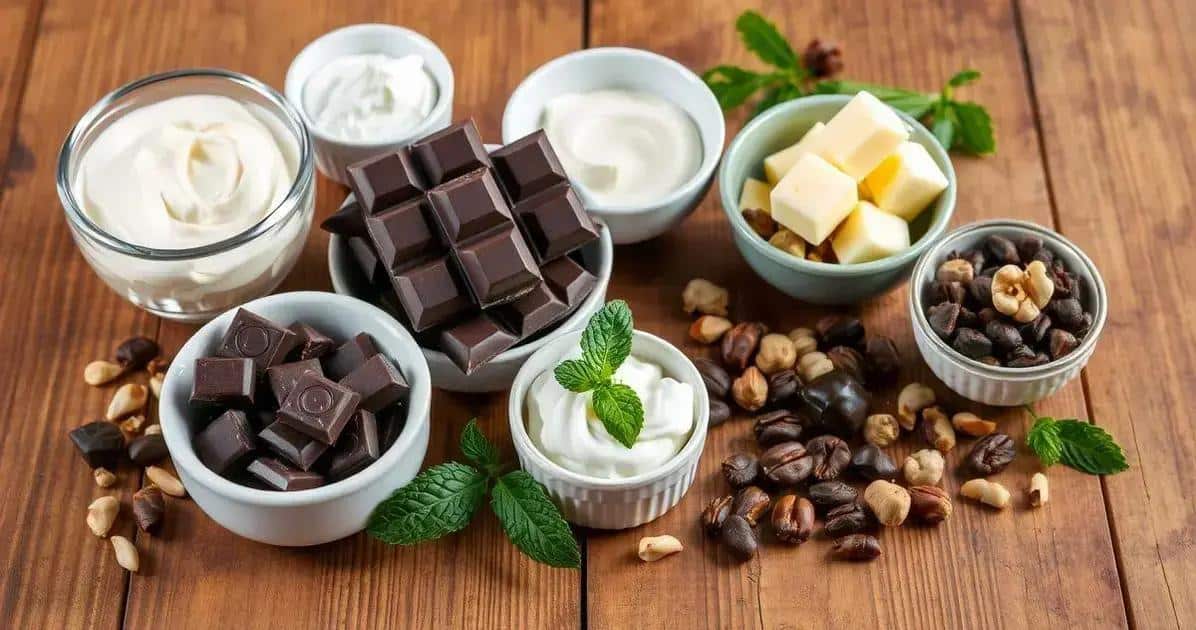
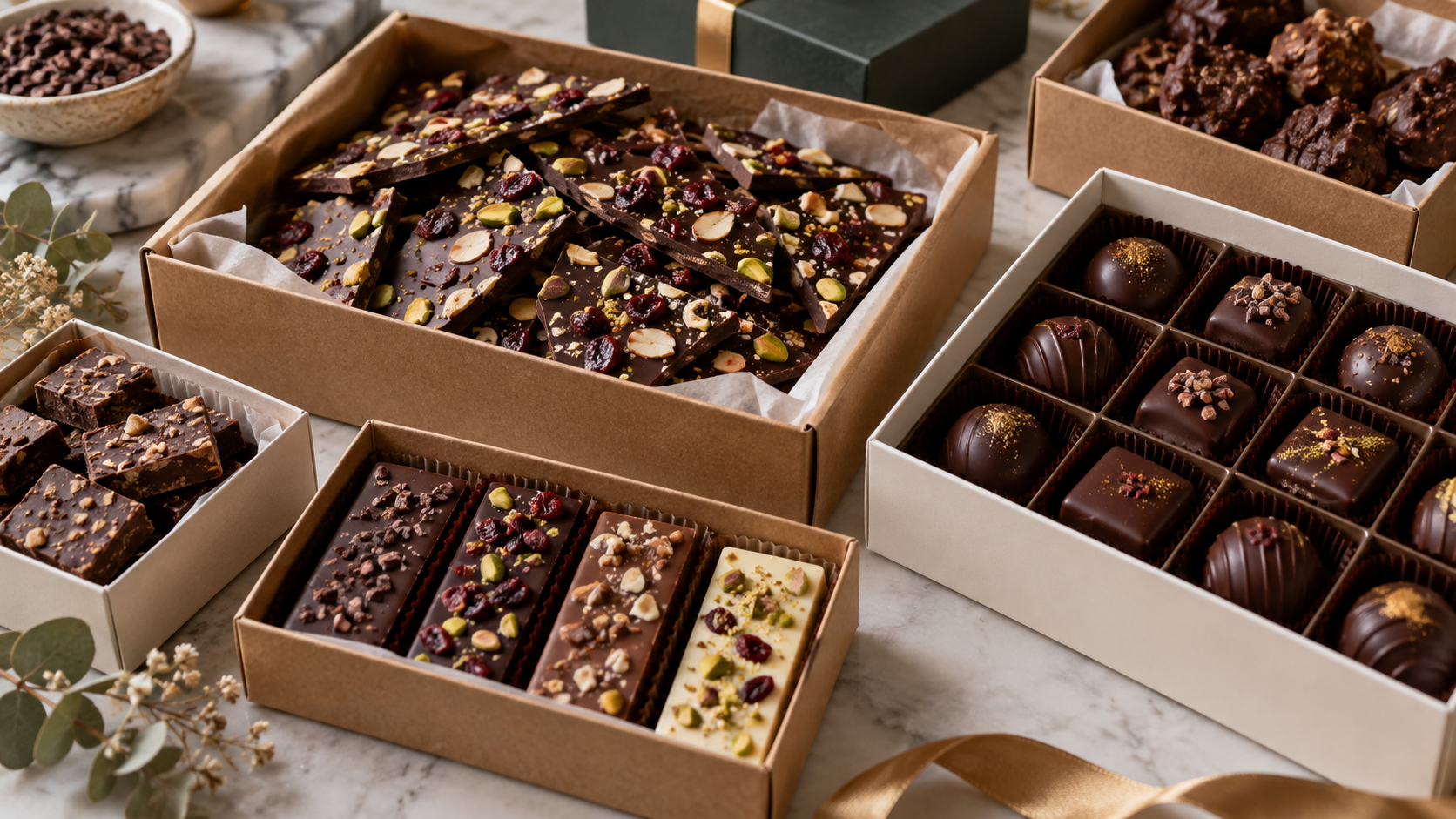
Plain bars, chocolate bark and correctly tempered moulded pieces usually travel better than cream-filled truffles, fresh-fruit fillings or soft desserts. Choose a tested recipe that matches the storage and transport available.
Plan for the journey
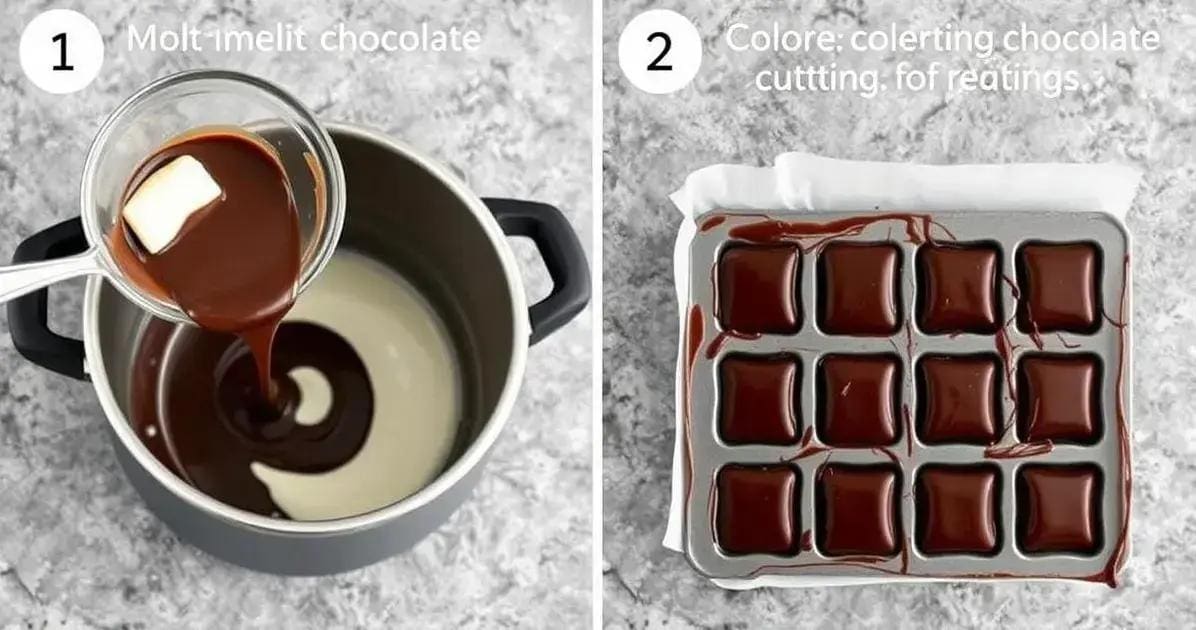
Chocolate melts easily in warm rooms and cars. Use a rigid food-safe box, protect pieces from movement and plan a cool route. Refrigeration is necessary for perishable fillings, but repeated temperature changes can cause condensation.
Package food clearly

Wrap each food-contact item in material intended for food use. Add the name, preparation date, complete ingredients, allergens and storage directions. Decorative ribbon or paper should stay outside the food barrier.
Manage allergens
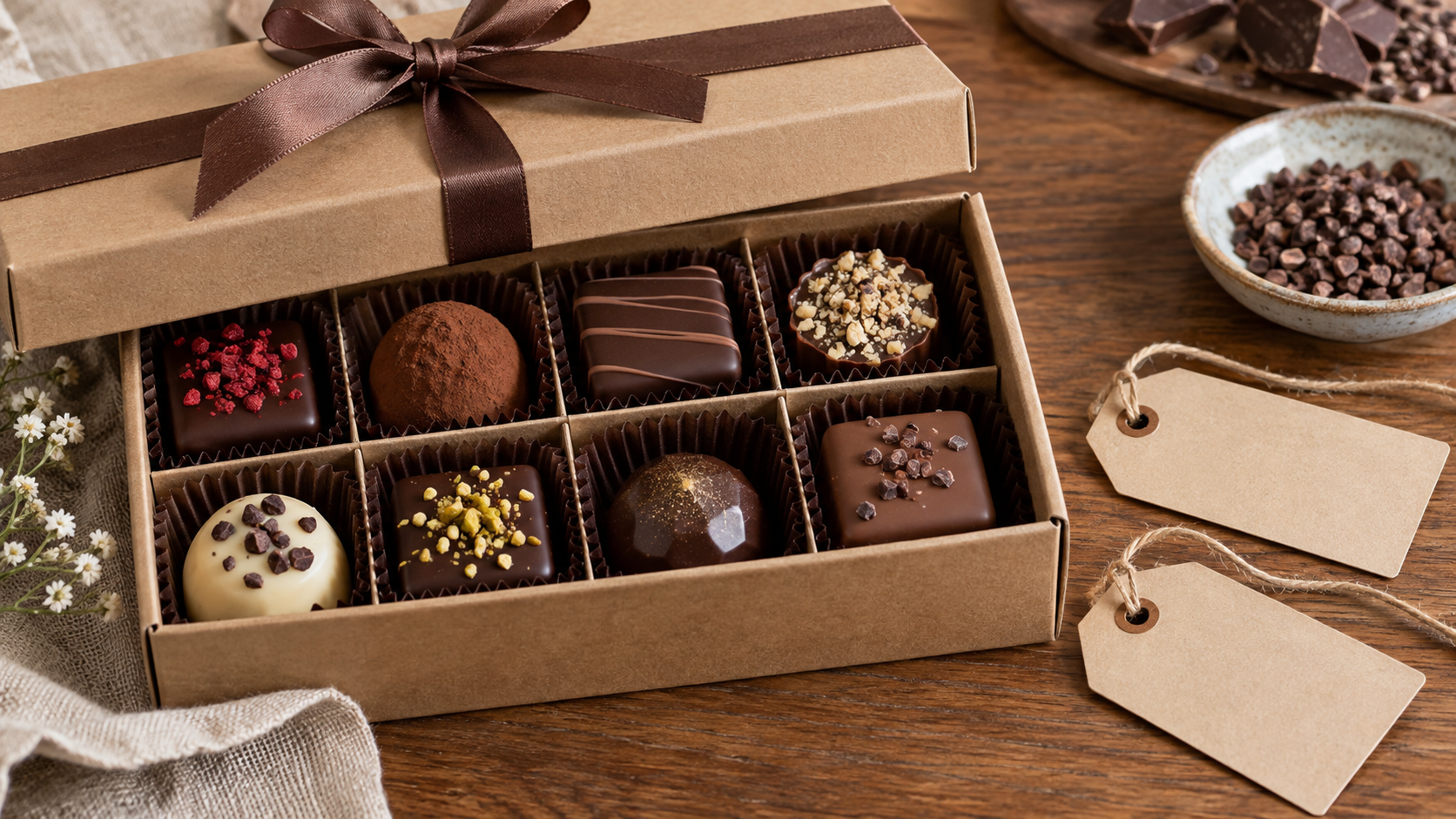
Keep nuts, milk, soya, gluten and other relevant allergens visible. A home kitchen cannot guarantee absence of an allergen without strict controls, so avoid unverified “free from” claims.
Set an honest use-by period
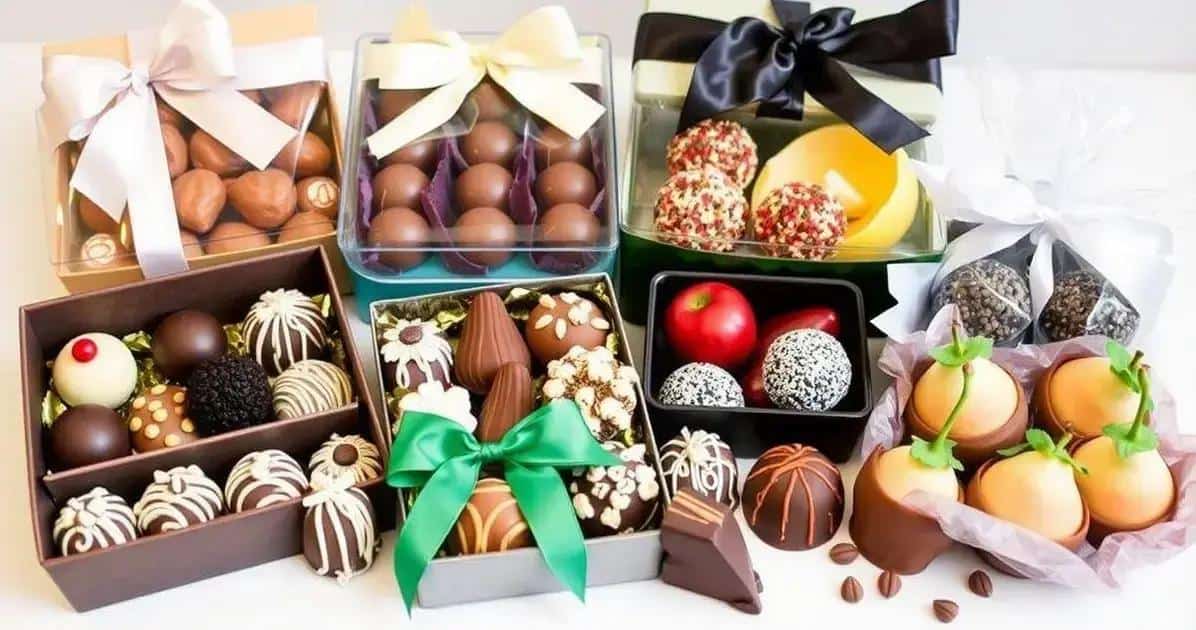
Do not guess a long shelf life. Use the conservative storage period from the tested recipe and shorten it when adding fresh cream, fruit, custard or other perishable ingredients. Tell the recipient when refrigeration is required.
Frequently asked questions
Which homemade chocolates travel best?
Plain bars, bark and firm moulded pieces generally travel better than fresh cream or fruit fillings.
Do homemade gifts need labels?
Yes. Include ingredients, allergens, preparation date and storage guidance.
Can I post chocolate?
Only after considering temperature, transit time, breakage and any perishable filling; many recipes are unsuitable.
How do I prevent bloom?
Use stable temperatures, protect chocolate from moisture and temper cocoa-butter chocolate correctly.
How long will it last?
Use the tested recipe’s conservative guidance and the shortest life of any filling.
Can I claim it is allergen-free?
Do not make that claim unless ingredients and cross-contact are controlled and verified.