
Choose chocolate to suit the recipe, from a gently flavoured milk chocolate to a more intense dark variety. Check the ingredients, cocoa percentage and intended use before making cakes, fillings, drinks or moulded chocolates.
The chocolate you choose affects both flavour and texture. A bar you enjoy eating may work well in one preparation and less well in another. Start with the recipe’s requirements, then consider sweetness, cocoa flavour and the finish you want.
Understanding your chocolate
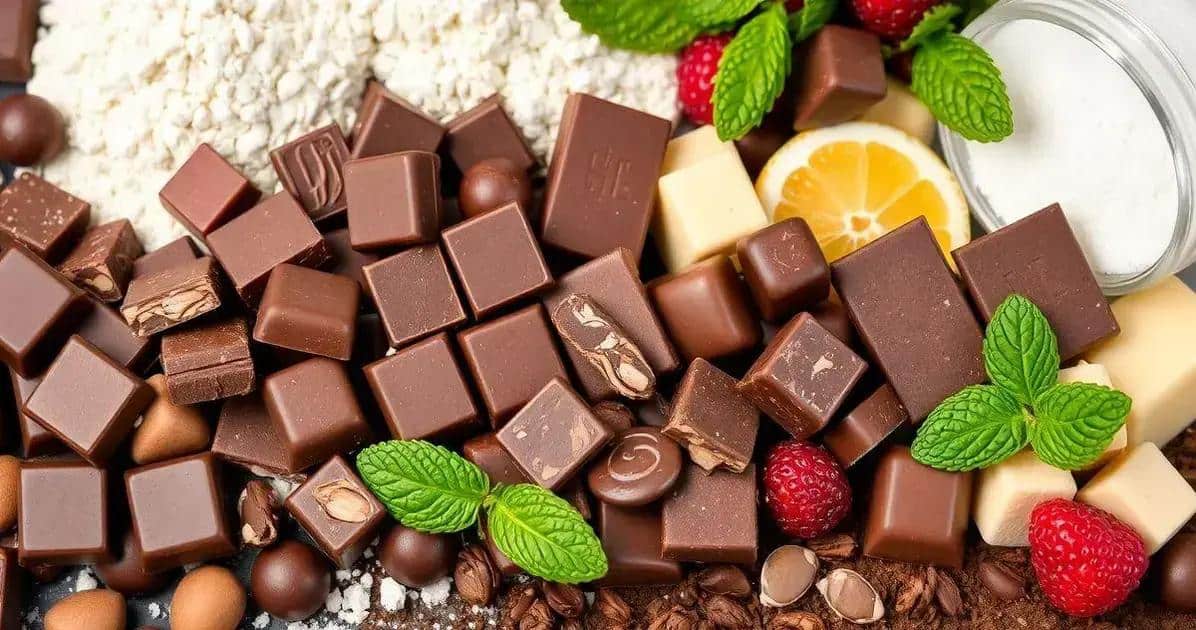
Milk chocolate
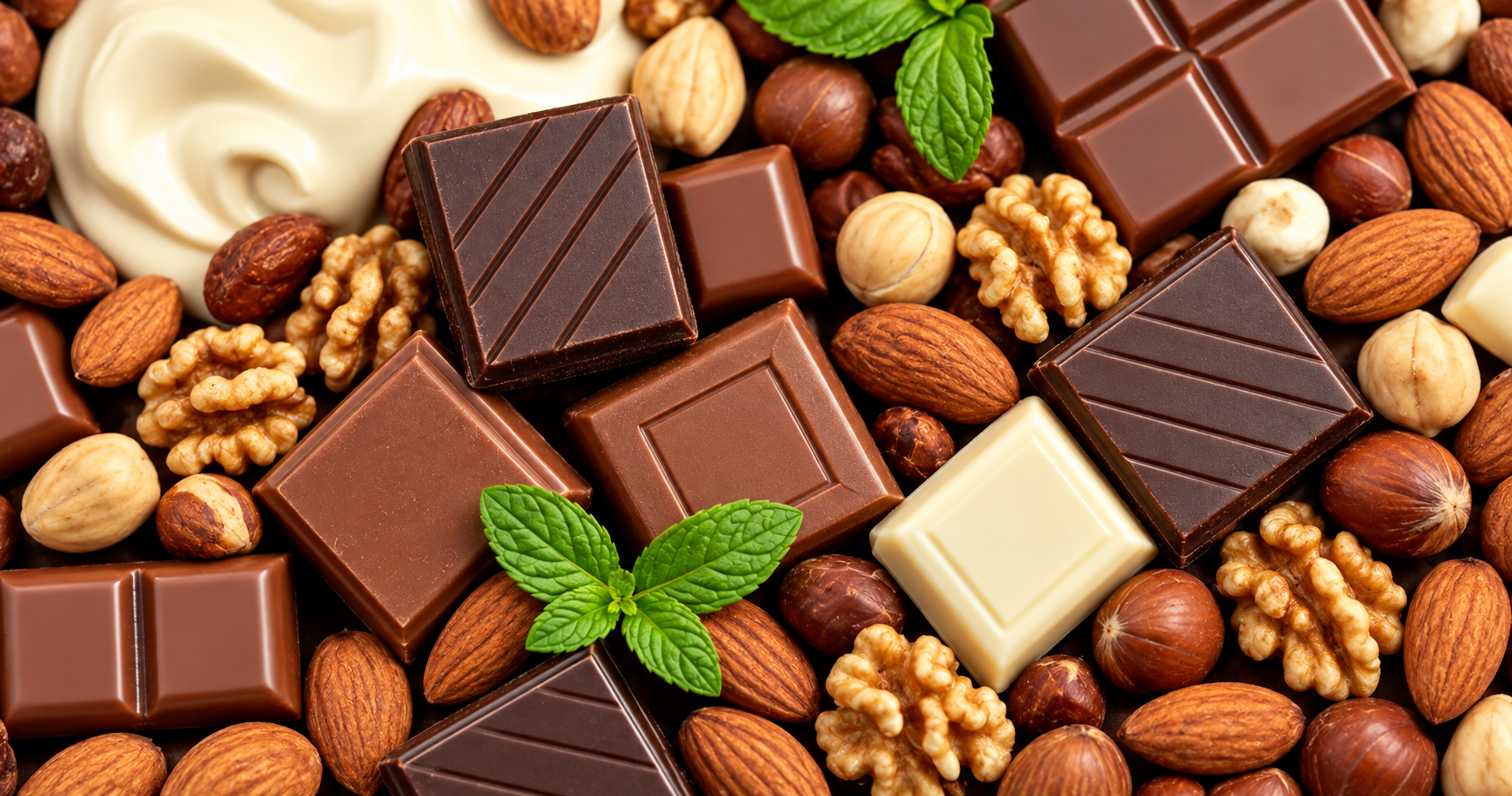
Milk chocolate contains milk ingredients and often gives a sweeter, milder result than dark chocolate. It can suit desserts where a softer cocoa flavour is wanted, provided the recipe is formulated for it.
Moderately dark chocolate
Recipes translated from Portuguese may refer to chocolate meio amargo, meaning a moderately dark or semi-sweet chocolate. Products vary, so check the cocoa percentage specified by the recipe rather than treating the name as an exact formula.
Higher-cocoa dark chocolate
A higher cocoa percentage often gives a more intense cocoa flavour and less room in the formulation for sugar. The product’s ingredients and flavour still matter: cocoa percentage alone does not describe everything about a chocolate.
Other chocolate ingredients
Cocoa powder and cocoa butter have different roles from a finished chocolate bar. They are not direct replacements for one another. Chocolates containing nuts, dried fruit or other additions can also change a preparation’s texture.
Read the ingredients and allergen information. Choose a chocolate suited to the recipe, and look for specific sourcing information if the origin of the cocoa matters to you. A short ingredient list or a familiar brand name alone is not a guarantee of the result.
Preparing chocolate for a recipe
Melting gently
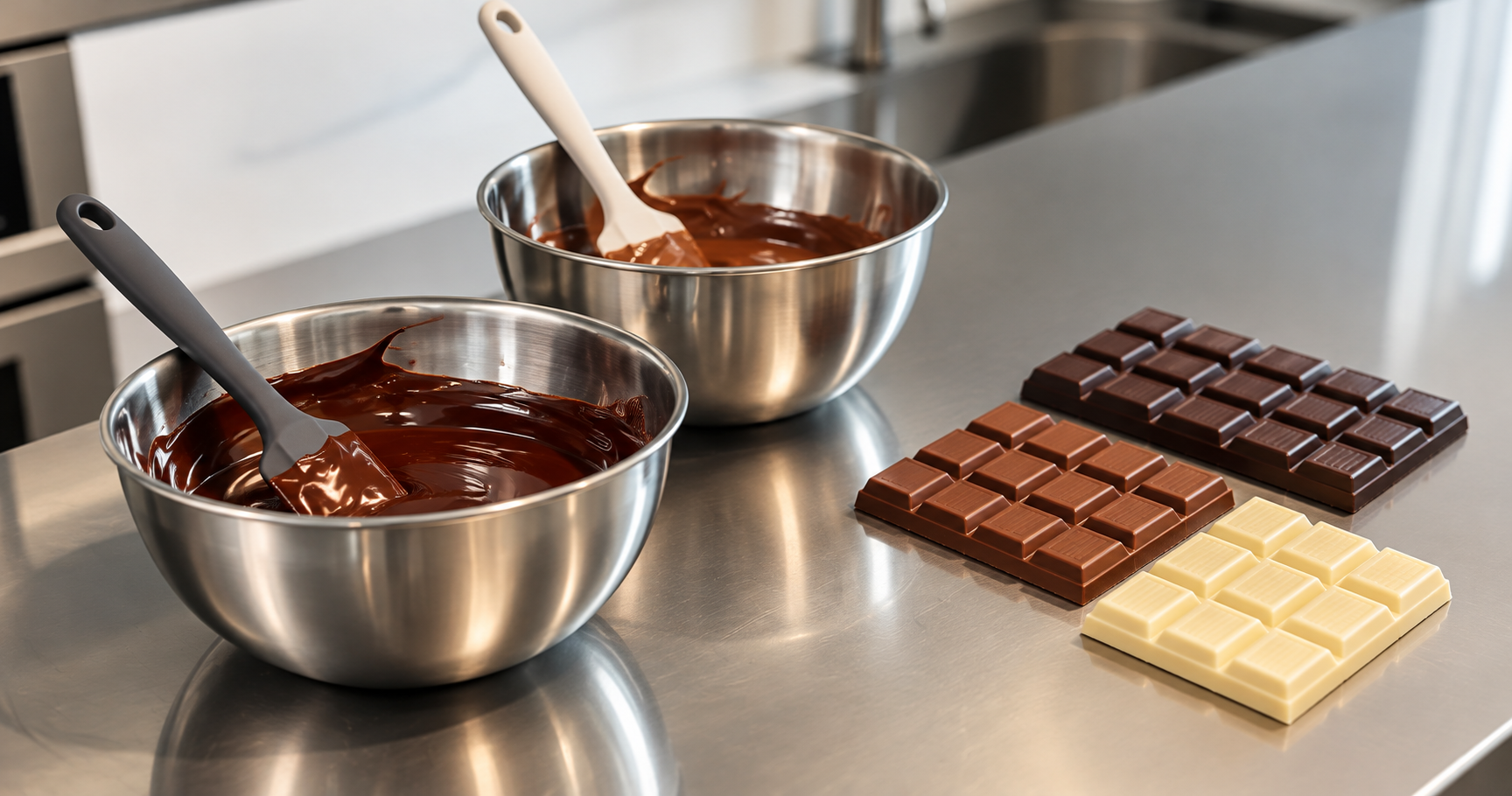
For a bain-marie, put finely chopped chocolate in a clean, dry heatproof bowl over hot water, keeping the bowl’s base clear of the water. Stir and avoid splashes or excessive steam.
Alternatively, use a microwave-safe bowl and heat on low power in short bursts of about 20–30 seconds to begin with. Stir between bursts and shorten them as the chocolate melts.
Tempering when needed
Tempering controls the formation of cocoa-butter crystals to help give plain chocolate a firm, glossy finish. It is relevant to preparations such as moulded chocolates and crisp coatings, rather than every cake batter or cream-based filling.
Follow a complete method and the temperature guidance for the particular chocolate. Do not rely on simply spreading it on a cold plate and guessing when it is ready. Callebaut’s tempering tutorials describe recognised methods and their purpose.
Keeping the workspace dry
Water entering plain melted chocolate can make it seize. Dry bowls, spatulas and work surfaces before starting, and keep water used for heating separate from the chocolate.
Storing what remains
Plain chocolate and mixtures containing cream or other fillings have different storage needs. Follow the product and recipe guidance; do not apply a cupboard-storage rule to a perishable dessert.
Flavour, origin and variety
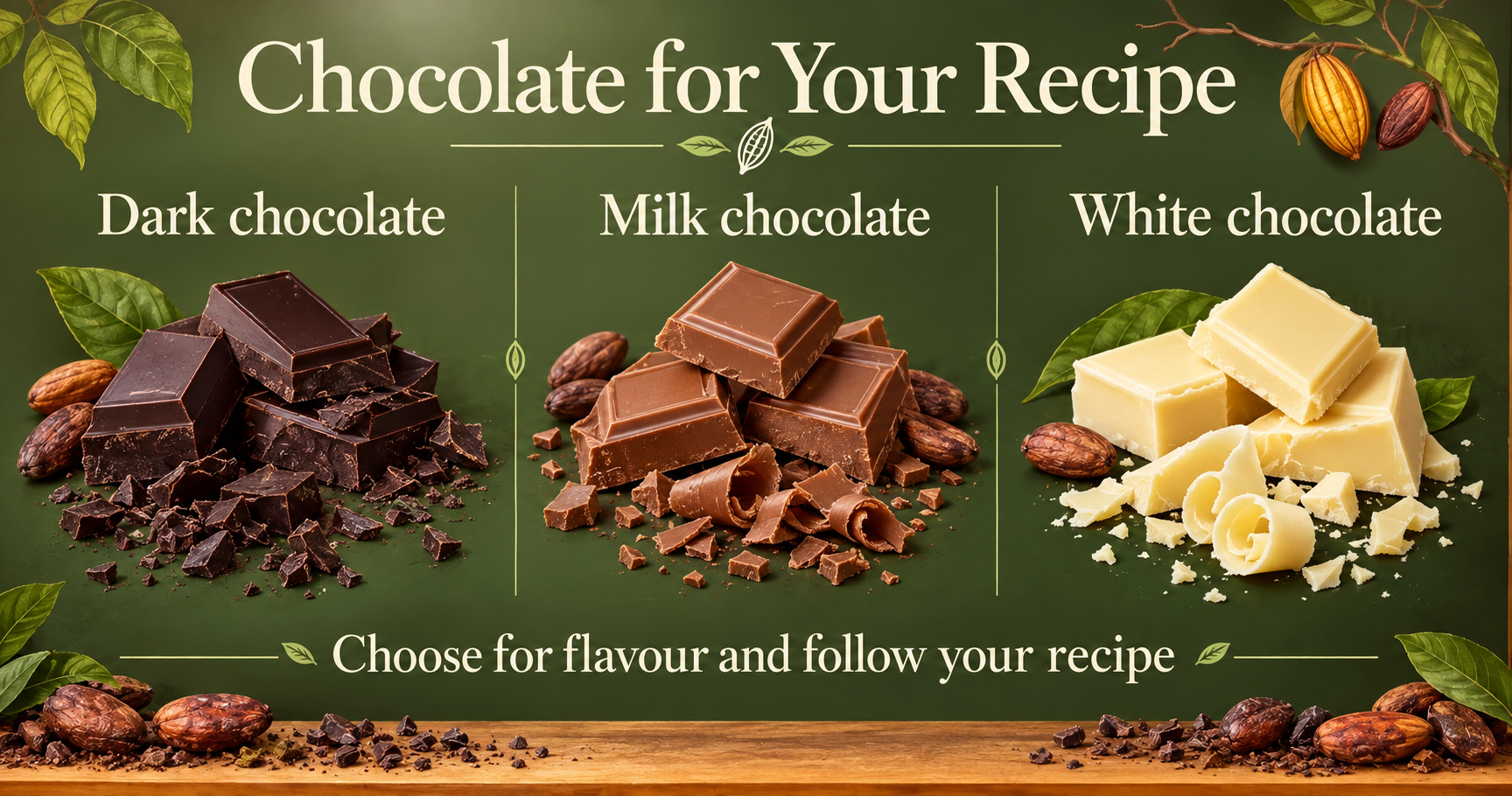
Chocolate varies beyond the broad labels of milk and dark. The cocoa, processing and other ingredients contribute to its flavour. Trying a small piece before cooking helps you understand its sweetness and cocoa character.
Information about cocoa origin can add context, but a prestigious-sounding variety name does not automatically tell you how a chocolate will perform in a ganache or mould. Match its intended use to the recipe.
If sourcing is part of your choice, look for clear producer information about certification or sourcing practices. Avoid assuming that a premium price or attractive packaging proves an environmental or social claim.
Chocolate can also appear in savoury cooking. Use a recipe designed for that role rather than adding sweet chocolate indiscriminately to a sauce. Its value in a dish is the flavour it contributes, not a promise of a health benefit.
Practical buying choices
- Read the recipe first. If it specifies a type or cocoa percentage, use that as your starting point.
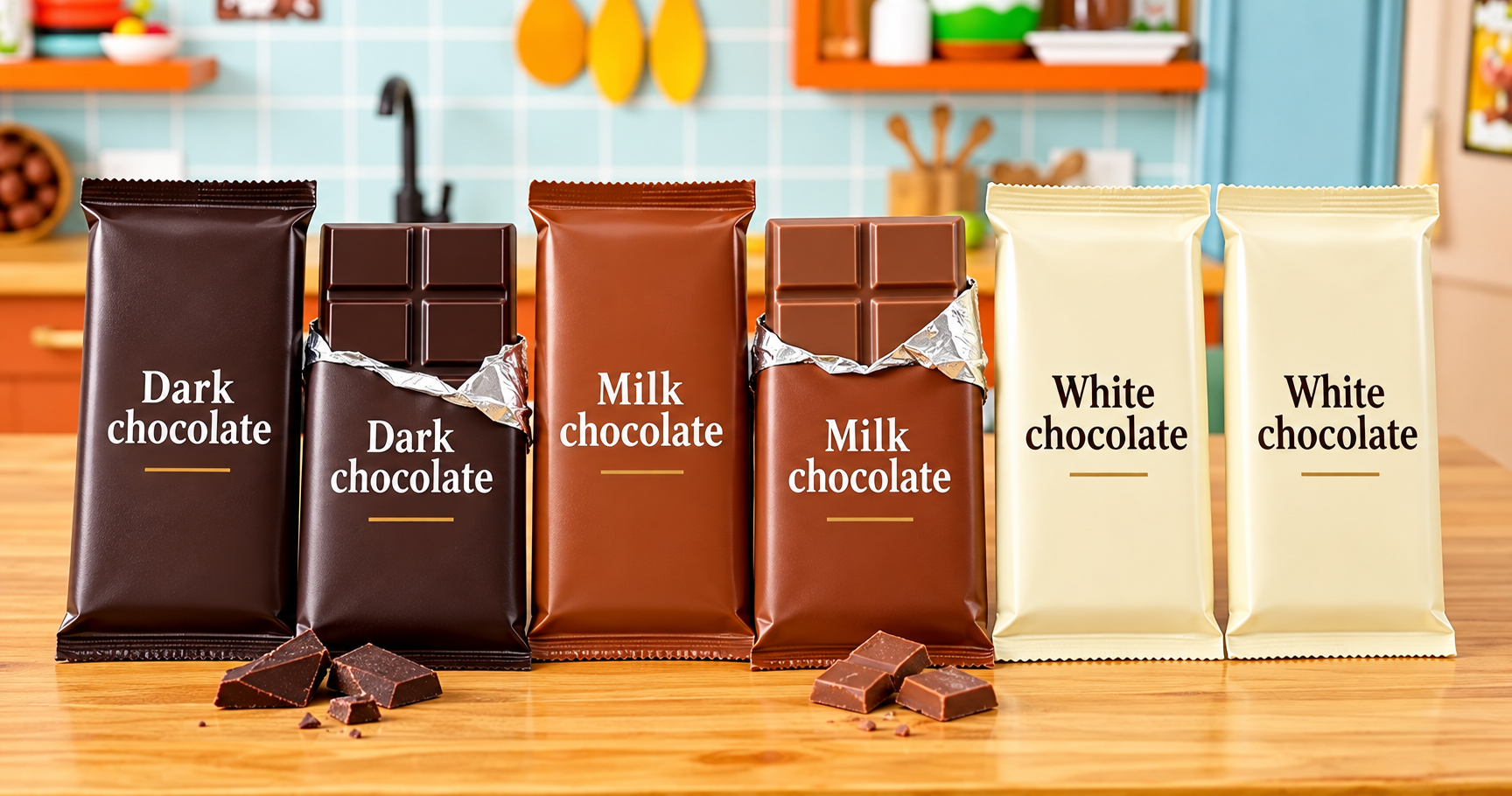
- Check the label. Cocoa percentage, ingredients and allergen information answer different questions; consider all of them.
- Match the chocolate to the task. A product intended for moulding or coating may offer handling guidance that a general eating bar does not.
- Think about additions. Nuts, fruit pieces and flavourings can be useful, but may interfere with a smooth filling or fine decoration.
- Do not judge only by firmness. How a bar feels in the packet does not by itself establish how it will flow when melted or set after tempering.
- Experiment in small amounts. Try a new flavour in a suitable recipe before committing to a large batch.
Using chocolate in different preparations
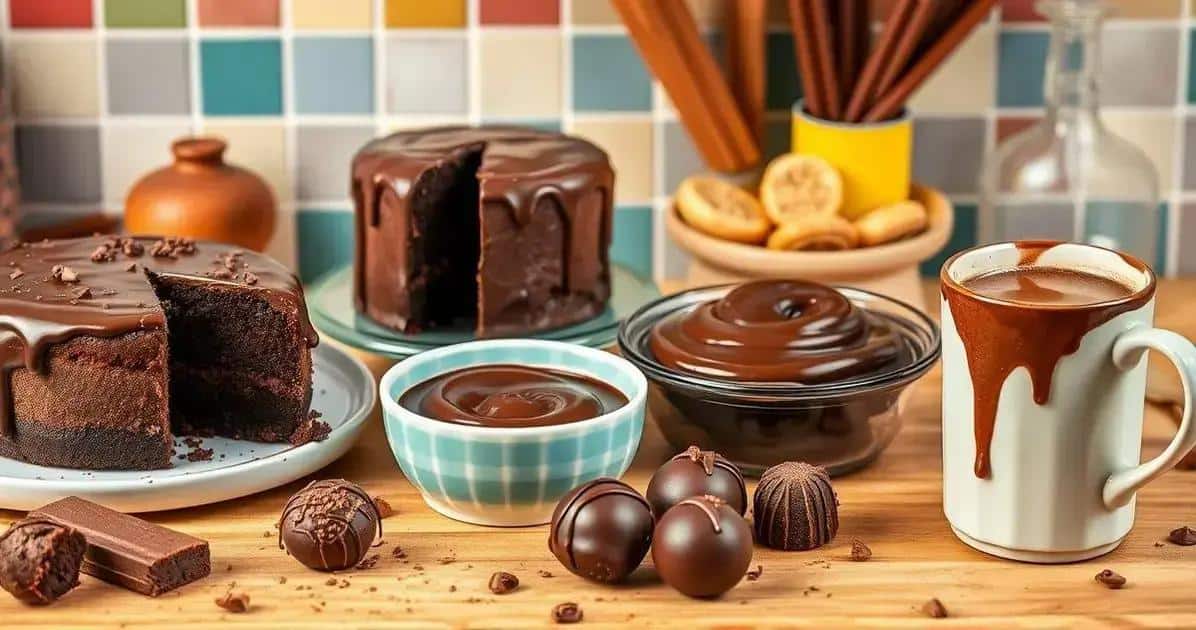
Cakes and brownies
Follow the recipe’s choice of melted chocolate, chopped pieces or cocoa powder. Sift cocoa powder when directed and melt solid chocolate separately if required. Replacing cocoa powder with a bar changes more than the flavour.
Toppings and ganaches
Ganache combines chocolate with cream, but the ratio depends on the chocolate and the desired texture. A pouring glaze, a cake filling and a truffle centre need not use the same formula.
Truffles
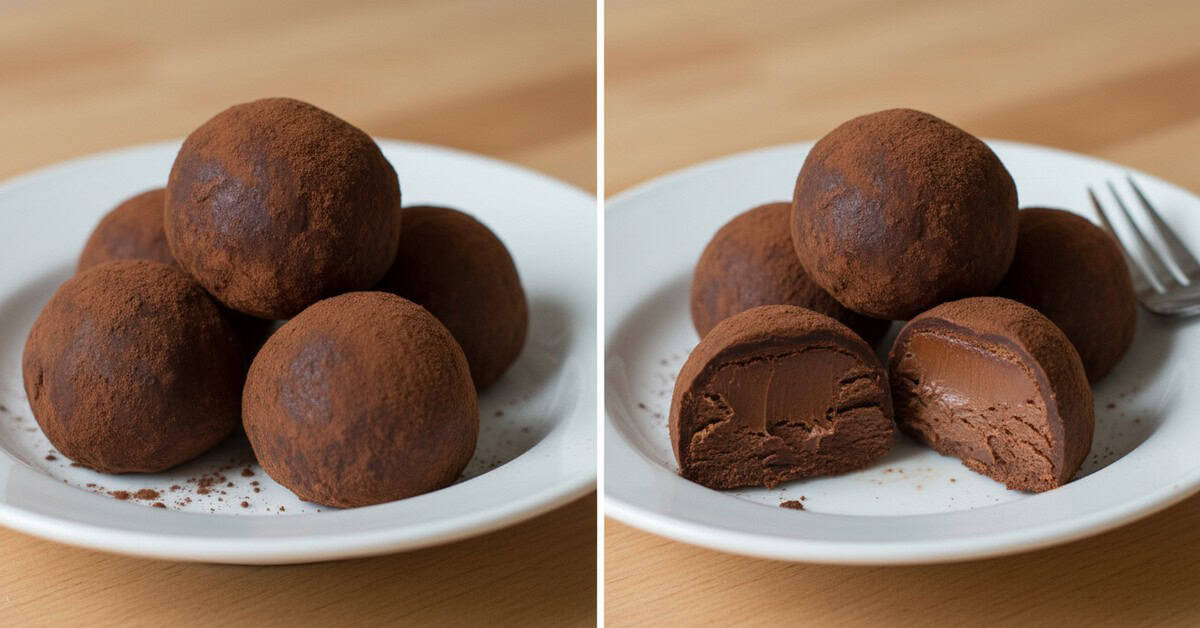
Choose a complete truffle recipe for the chocolate you want to use. Once the centre reaches its required consistency, it may be shaped and coated in cocoa, chocolate or suitable chopped nuts.
Moulded and filled chocolates
Prepare the shell chocolate with the appropriate tempering method. Fillings such as hazelnut spread, caramel or fruit-based mixtures need suitable recipes, careful sealing and storage matched to their ingredients.
Hot drinks
Chopped chocolate or a cocoa-based drinking mixture can be combined with milk according to the recipe. Their sugar content differs, so check the product before adding more sweetness.
Biscuits, muffins and pancakes
Chocolate pieces can add pockets of flavour. Use the type and form called for in the recipe, whether chopped chocolate or baking chips, and allow the other ingredients to determine the balance.
Make the choice fit the recipe
Understanding the label and the purpose of each preparation is more useful than searching for one chocolate that is best for everything. Find more cooking ideas at Receitas da Bella.
Frequently asked questions
How do dark and milk chocolate differ?
Milk chocolate contains milk ingredients and often tastes milder and sweeter. Dark chocolate has a different formulation and usually a stronger cocoa character, but exact products vary.
How can I melt chocolate without burning it?
Use gentle indirect heat or short microwave bursts in a suitable bowl. Stir regularly, keep water out and reduce the heating time as the chocolate melts.
What is tempering, and why does it matter?
Tempering controls cocoa-butter crystallisation to help plain chocolate set with a firm, glossy finish. It matters for many moulded pieces and crisp coatings.
Can I use chocolate sprinkles or cocoa powder?
Use sprinkles for appropriate decoration and cocoa powder where the recipe calls for it. Neither is a direct substitute for a bar of chocolate in every preparation.
Which chocolate should I use for truffles?
Choose the chocolate specified by a complete truffle recipe. Dark, milk and white chocolate behave differently, so the filling proportions need to suit the chosen product.
How should I store chocolate?
Follow its packaging guidance, keeping plain chocolate protected from heat, moisture, light and strong odours. Filled chocolates and cream-based mixtures may need different storage.