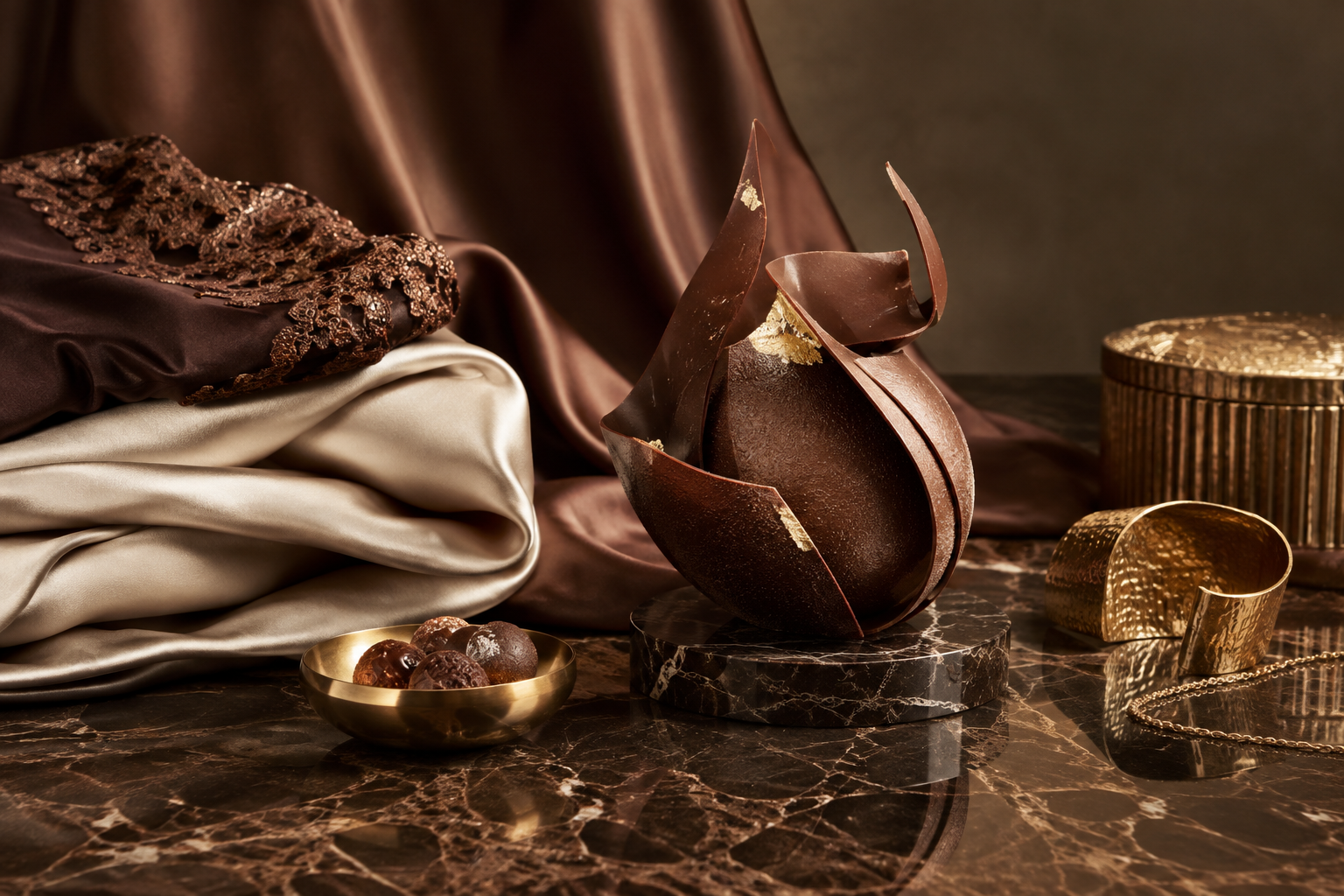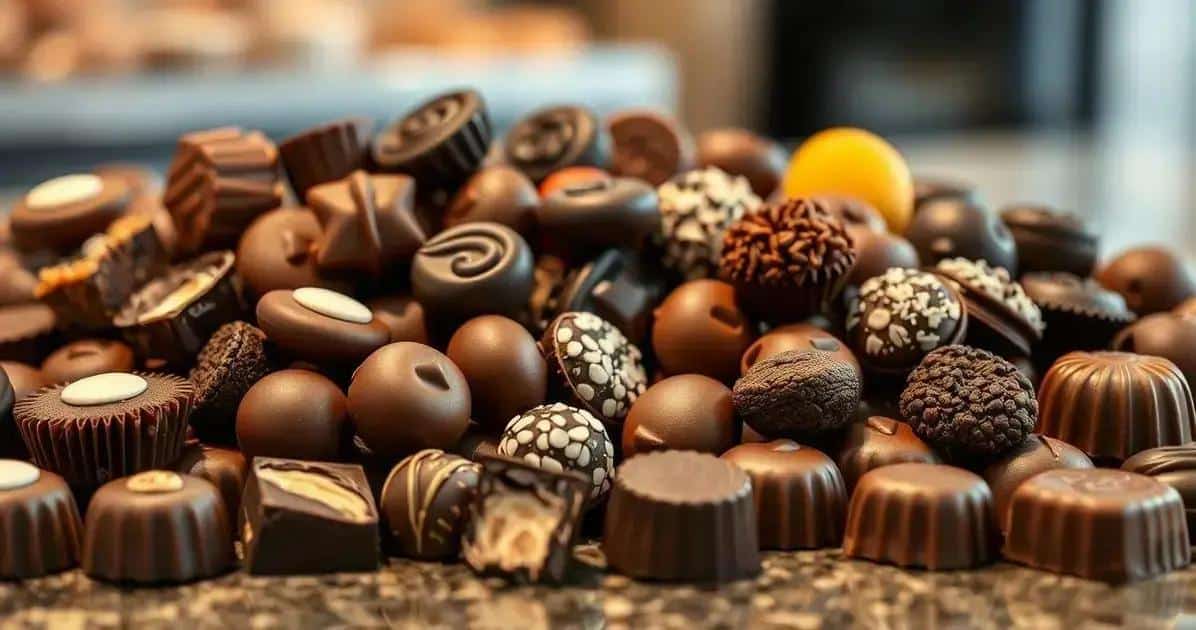

To choose chocolate you will enjoy, read the ingredients, consider the cocoa content and explore its aroma, texture and flavour. No single percentage, price or packaging style can tell you everything about a bar.
Chocolate tasting can be a delicious way to discover your preferences. A glossy surface and an inviting aroma may catch your attention, but the most useful test is to taste thoughtfully and compare. This guide looks at ingredients, shopping choices and a simple tasting routine.
Ingredients to look for
Cocoa
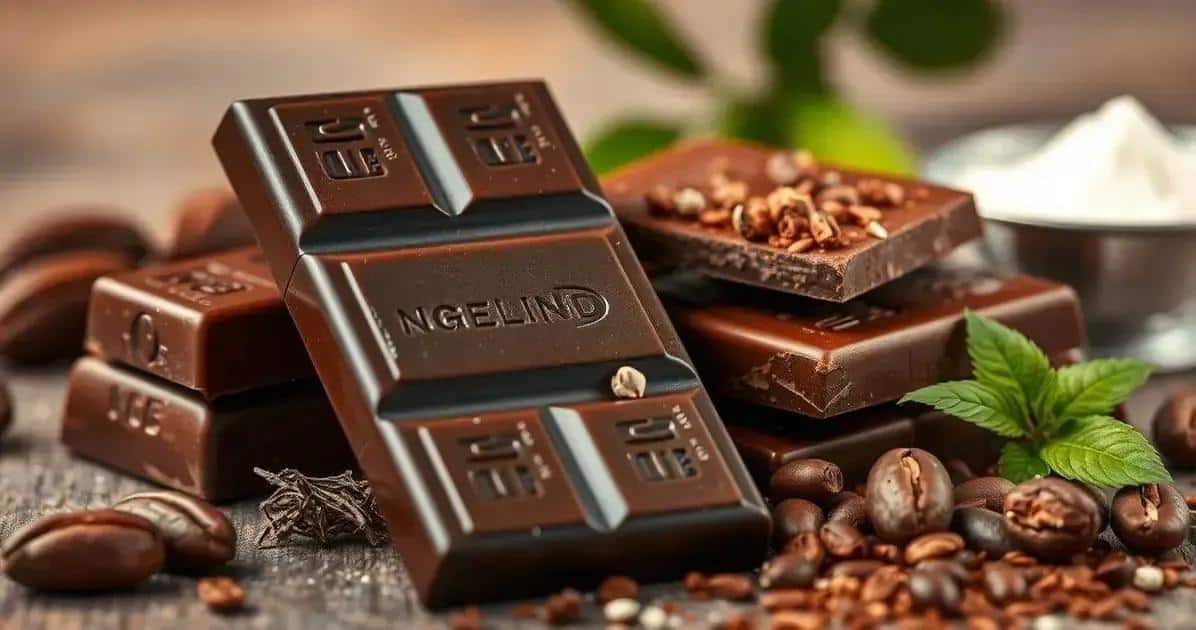
The cocoa content is a helpful starting point. A higher percentage often means a less sweet style, but origin, processing and the recipe also influence flavour. A 70% bar is not automatically better than every milk chocolate. Names such as Arriba from Ecuador or Criollo may tell you something about the cocoa used, but they are not a complete quality assessment by themselves.
Cocoa butter
Cocoa butter is the fat naturally present in cocoa. It contributes to the way chocolate melts and feels in the mouth. Read the label to understand whether you are buying chocolate or a different coating product, especially when choosing something for baking or dipping.
Sugar
The amount of sugar affects sweetness and balance. Compare bars to find how much sweetness you enjoy alongside the cocoa flavour. The words “cane sugar” alone do not mean that a sugar is unrefined or that a chocolate is superior.
Flavourings, milk and emulsifiers
Vanilla, milk ingredients and flavour additions all change the character of a bar. Check the ingredients for flavours you want and ingredients you need to avoid. A short list may appeal to you, but length alone is not a tasting score.
Emulsifiers such as lecithin are used in chocolate, including professional products. Their presence does not by itself indicate poor quality. Valrhona’s chocolate terminology guide includes lecithin among ingredients used in its chocolate descriptions.
How to choose a bar
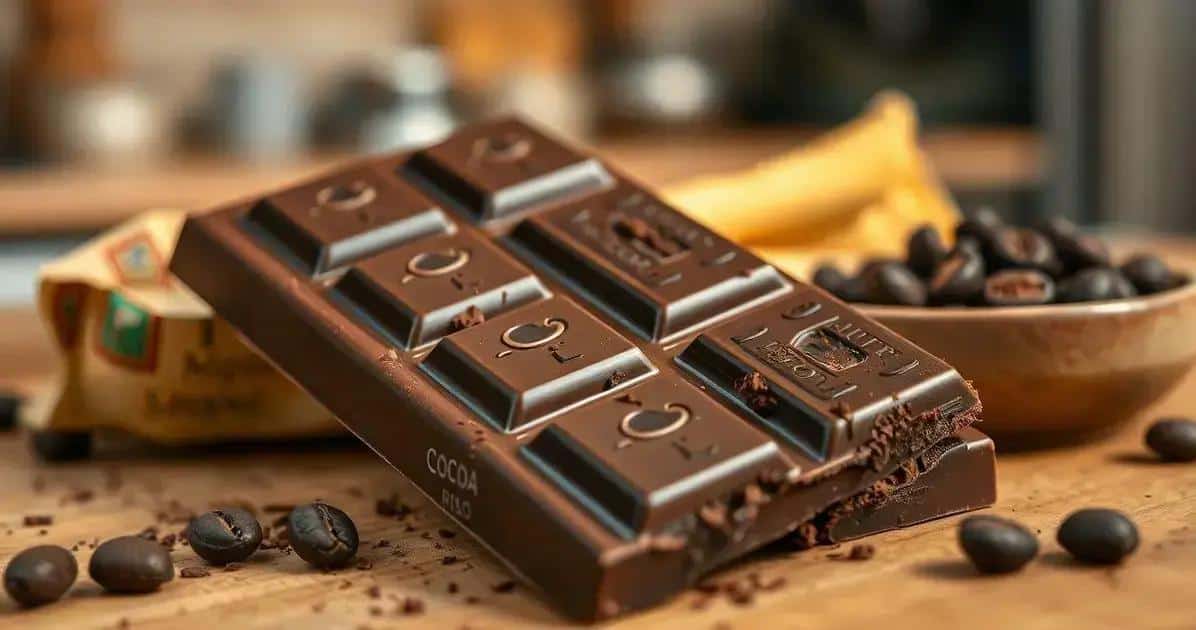
- Check the packaging: choose chocolate in sound packaging and read the ingredients and storage information.
- Consider the style: use cocoa percentage as one clue to the balance, then compare dark, milk and white chocolate according to your preferences.
- Smell it: after opening, notice whether you detect cocoa, fruit, floral, nutty or spicy impressions. You do not need to find every note listed on a wrapper.
- Look and break: observe colour, surface and the way a piece breaks. Tempering and storage can affect appearance and snap; these clues are not a complete verdict on flavour.
- Taste slowly: let a small piece soften in your mouth and pay attention to how its flavour develops.
Some bars have a bold roasted character, while others seem fruitier or creamier. Comparing two bars side by side is often more revealing than trying to judge one against an abstract idea of “the best”.
Chocolate, its origins and its different forms
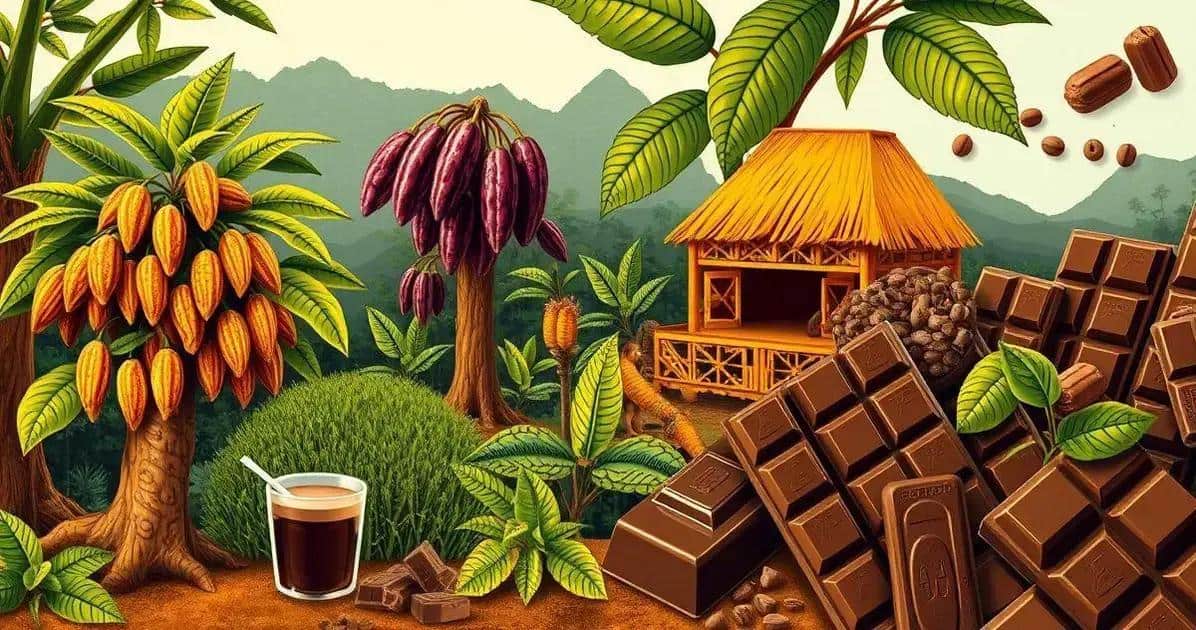
Cacao has a long history in the Americas, including its use in drinks. Objects can tell part of that story: the Smithsonian’s National Museum of the American Indian describes a Maya vessel with an inscription identifying it as a cacao drinking cup.
Today, dark, milk and white chocolate provide different tasting experiences. Dark chocolate foregrounds cocoa ingredients; milk chocolate includes milk ingredients; white chocolate contains cocoa butter but no non-fat cocoa solids. These are different styles, not a simple ranking from best to worst.
The origin of the cocoa can be interesting to explore. Bars made with cocoa from Madagascar, Ecuador and other origins may have distinct profiles, although the maker’s fermentation, roasting and recipe choices matter too. Read the producer’s information and compare what you actually taste.
If sourcing is part of your buying decision, look for specific information from the maker about suppliers and certification. Treat those details separately from your judgement of flavour rather than assuming that one label answers every question.
A simple chocolate tasting routine
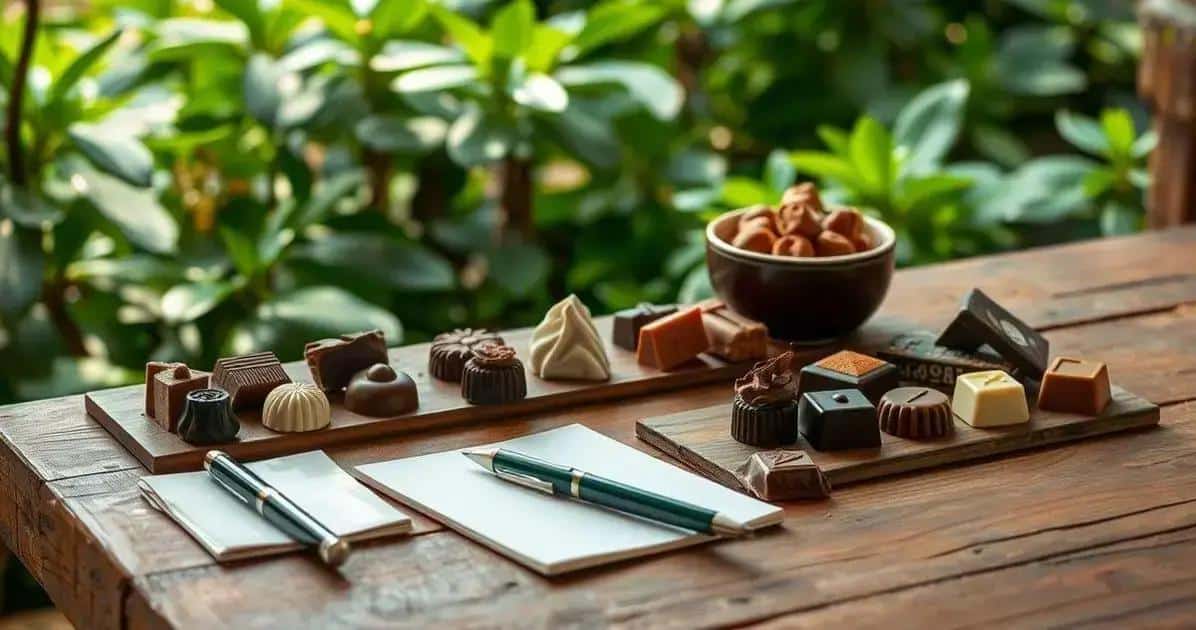
Choose a comfortable setting
Find a quiet place where you can pay attention to the chocolate. Put the bars or pieces where you can identify each one and keep a notebook nearby if you want to compare them.
Observe the surface
Look at the colour, shine and texture before tasting. Note any differences between the bars. A smooth finish can be appealing, but surface changes may relate to storage or tempering, so leave room for what the flavour tells you.
Notice the aroma
Smell the chocolate and see what comes to mind. You might think of fruit, flowers, spices or roasted cocoa. Use ordinary words that make sense to you; tasting is not a vocabulary test.
Break off a piece
Listen to the snap and feel the texture. Different chocolate styles and temperatures behave differently. Take a small piece rather than rushing through a large mouthful.
Let it melt
Allow the chocolate to soften and notice the initial flavour, how it changes and what remains afterwards. Pay attention to smoothness, sweetness, bitterness and any other impressions you enjoy or dislike.
Compare and make notes
Taste another chocolate and describe the contrast. Recording the brand, cocoa percentage and your own observations can help you find favourite styles and remember which bars you would buy again.
Final tips for choosing chocolate

Read labels: understand what is in the product, including allergens and added flavours. Do not treat the order of one ingredient as a guarantee of quality across every style.
Explore different makers: established brands and smaller producers can both be worth trying. Look for useful product information, then judge the chocolate itself.
Try different types and origins: your preferences may change with the occasion. A bar you enjoy eating on its own may not be the one you choose for a sweet dessert.
Keep price in perspective: price may reflect many things, including ingredients, production and packaging. It is not an automatic score for how much you will enjoy a chocolate.
Keep exploring
With a little practice, you can become more confident about describing what you like. Enjoy the process and find more chocolate ideas at Bella’s Recipes.
Frequently asked questions
How can I judge a chocolate’s quality?
Read the ingredients and compare its appearance, aroma, texture and flavour. Use several clues together rather than relying on cocoa percentage or price alone.
Why does cocoa percentage matter?
It helps describe the composition and can suggest the balance of sweetness and cocoa. It does not tell you the whole flavour profile or guarantee quality.
How should I taste chocolate?
Observe it, smell it, break off a small piece and let it melt slowly. Notice the texture and how the flavour changes, then compare your impressions with another bar.
What should I look for on the label?
Check the ingredients, cocoa content, allergens, added flavours and storage advice. An emulsifier on the list is not by itself evidence of poor quality.
What are the main types of chocolate?
Dark, milk and white chocolate are familiar types. White chocolate contains cocoa butter but no non-fat cocoa solids, while milk chocolate includes milk ingredients.
How does cocoa origin influence flavour?
Cocoa from different origins can produce different flavour profiles. Growing conditions matter, alongside fermentation, roasting and the maker’s recipe.