
A well-chosen box, suitable food wrapping and a personal message can turn chocolates into a thoughtful gift. Start with packaging that protects the food, then use ribbons, colours and decorative details to suit the occasion.
Wrapping chocolates is a lovely way to show care before the recipient has even tasted them. You can create a rustic parcel, a colourful celebration box or an understated gift with a handwritten tag. The following ideas cover materials, wrapping methods, box selection and finishing touches.
Materials for wrapping chocolates
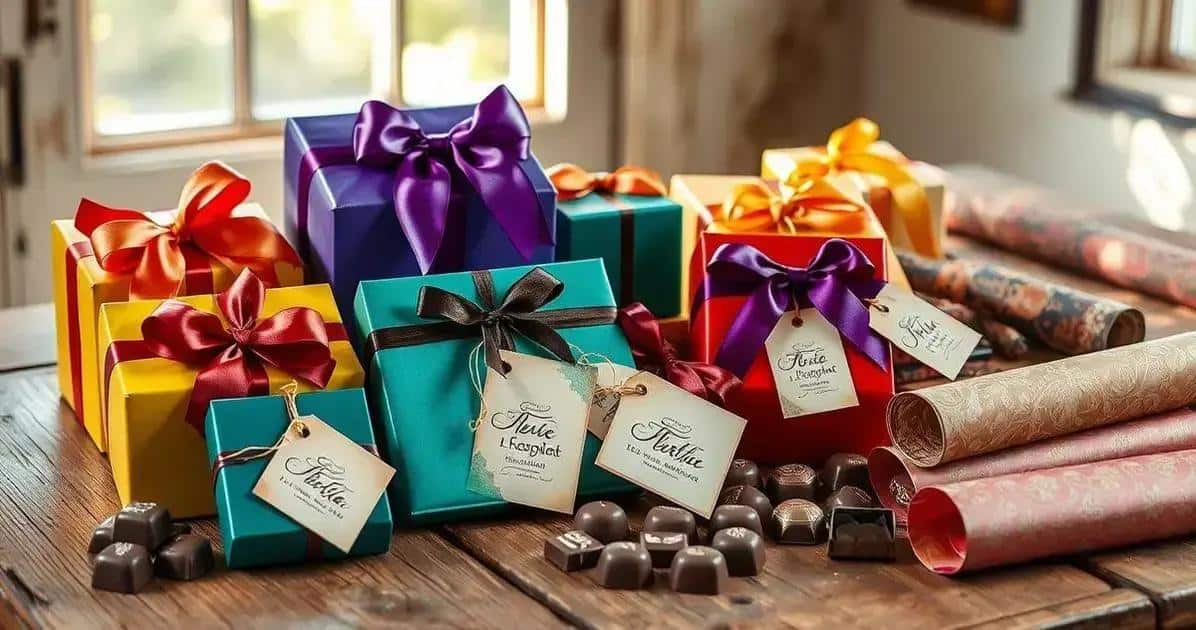
- Gift boxes: choose sizes and shapes that hold the chocolates securely without squeezing them.
- Suitable liners and wrappers: use materials intended for contact with food wherever they touch unwrapped chocolate. Decorative tissue can add colour around individually wrapped pieces or outside the food-contact layer.
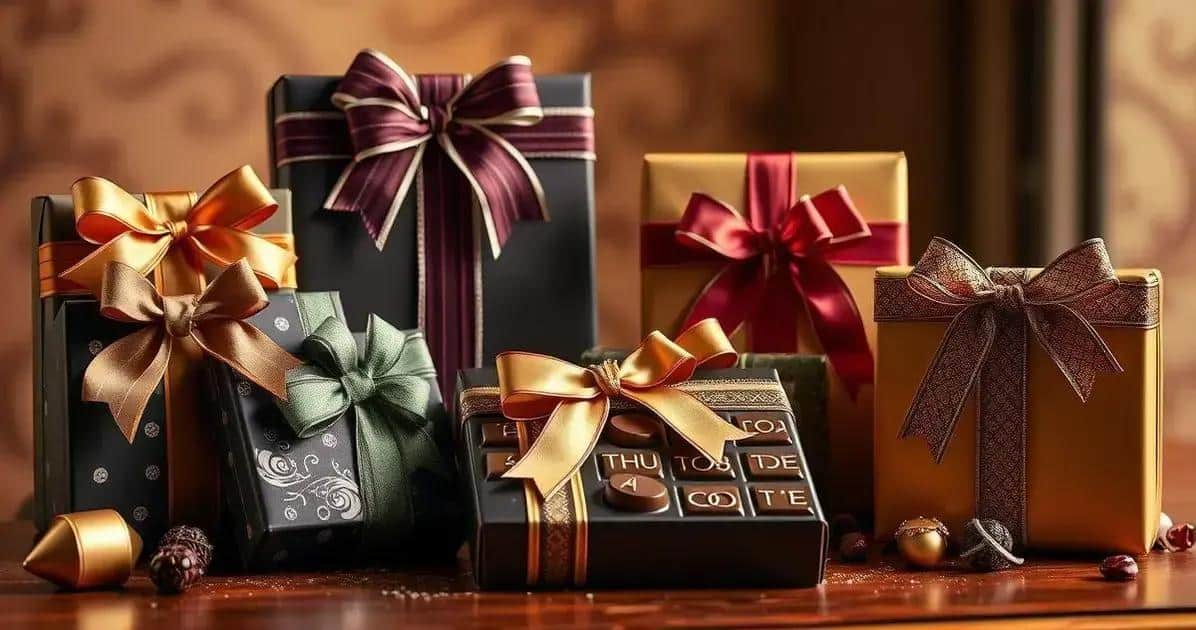
- Ribbon: satin, organza or a textured ribbon can create a simple bow or a fuller decorative finish.
- Gift tags: add the recipient’s name, a short message or a note about the occasion.
- Clear wrapping: a food-safe transparent wrapper lets the shapes and colours of the chocolates remain visible.
- Extra decorations: stickers, dried flowers and decorative glitter belong on the outside, away from the food.
Check the packaging supplier’s description before using any material directly against chocolate. UK packaging guidance explains that food-contact materials must be suitable for that use; a decorative paper or craft material is not automatically a food wrapper.
Creative ways to wrap chocolates
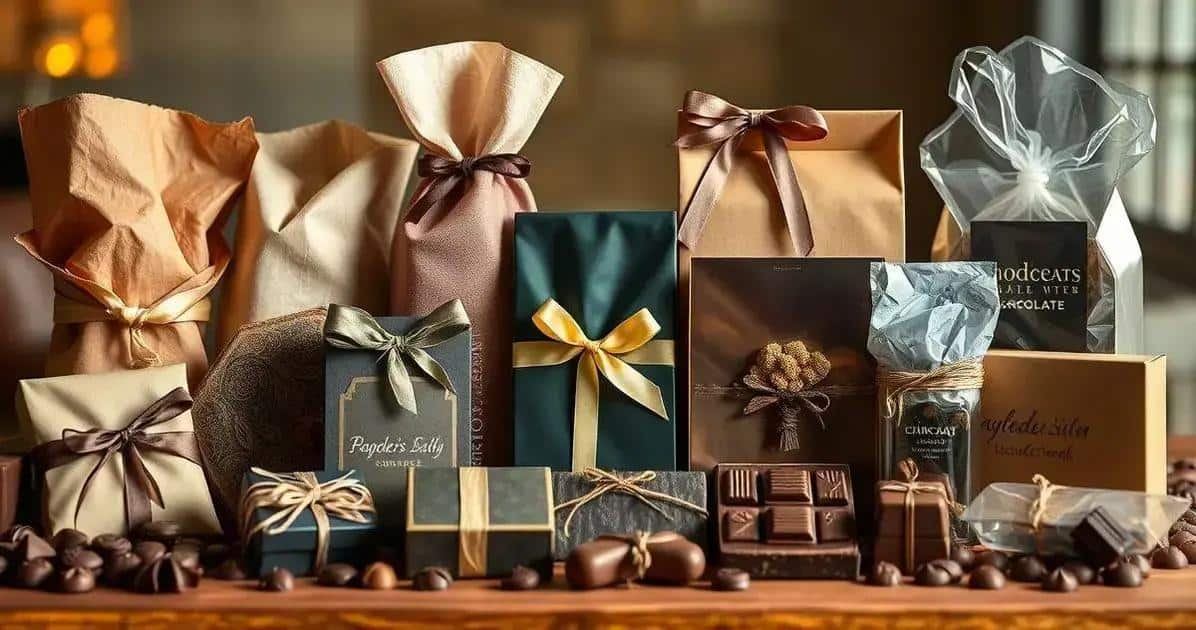
A rustic kraft-paper parcel
Arrange individually wrapped chocolates in a suitable inner container, fold kraft paper around it and tie with natural-looking cord or ribbon. Keep the folds neat and leave enough paper to close the parcel comfortably.
A reusable fabric bag
A small cotton or linen bag makes an attractive outer presentation. Place the chocolates in their own food-safe wrapping first, then gather the top of the bag and tie it with cord. Choose fabric and ribbon colours that work together.
A personalised box
Decorate a sturdy box with stickers, a paper sleeve or a handwritten message. If you make an outer box from card, use an appropriate separate food container or liner inside. Keep paints, inks and adhesives away from the chocolates.
Layers and transparent wrapping
A larger box can hold different chocolate selections in layers, with appropriate food-safe dividers or liners. Alternatively, gather a selection in a clear food bag and finish it with a bow so that the contents become part of the design.
Reused decorative paper
Newspaper or magazine pages can provide an unusual outer pattern, but should not touch unwrapped chocolates. Use them only around a properly wrapped inner gift. Reuse a clean, sound box where practical, and check local recycling arrangements for mixed materials.
Decorating a chocolate gift
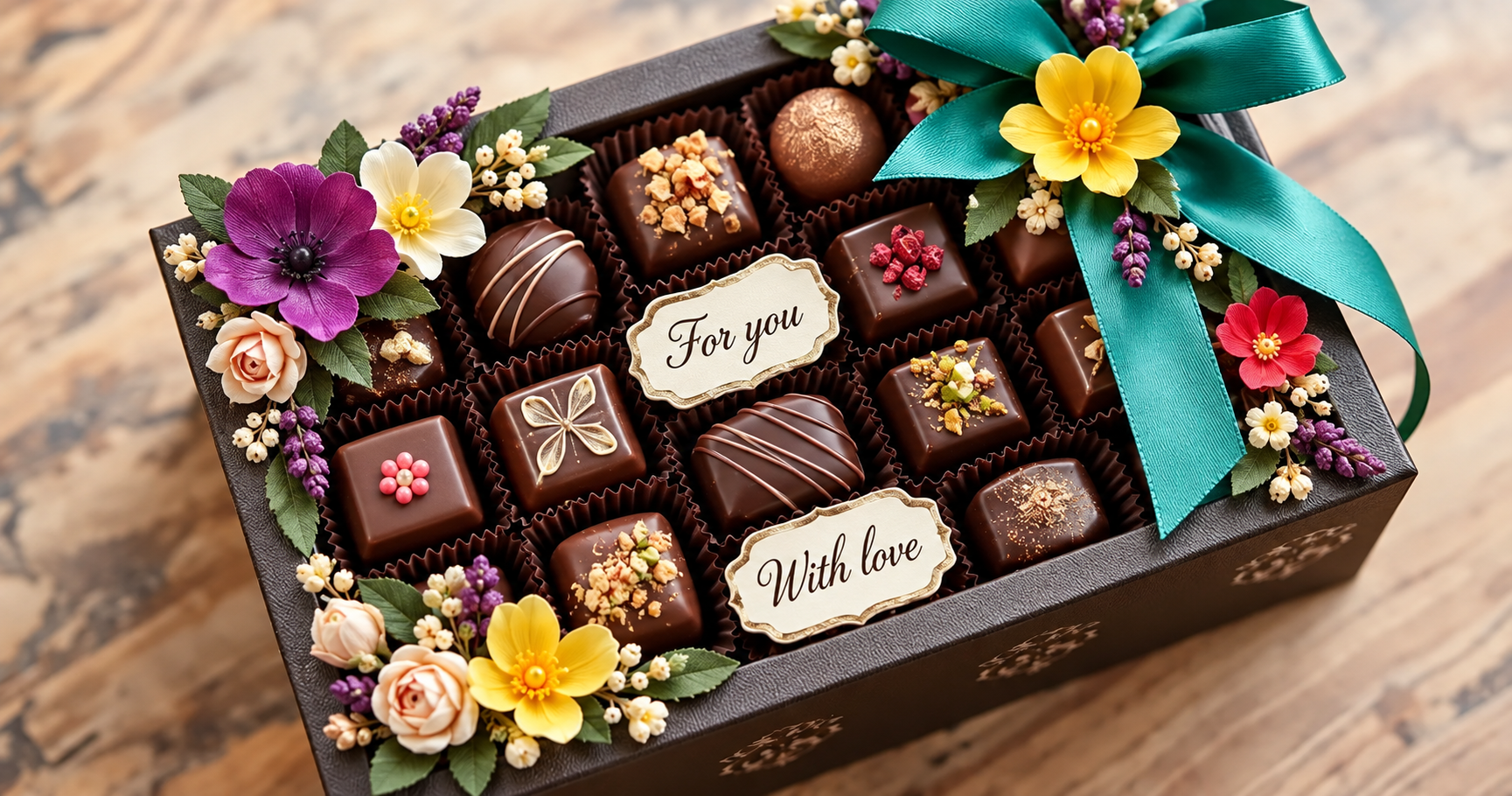
Dried flowers can soften the appearance of a parcel, while a small sprig of rosemary or lavender gives the outside a rustic look. Attach these to a ribbon or the lid, keeping loose pieces and strong fragrances separate from the food.
Personalised stickers and handmade tags are useful when you want the gift to feel specific to one person. A sincere short message often works better than a crowded design. For fabric bags, decorate the outside before adding the wrapped contents.
Combine ribbons of different textures, or choose one generous bow as the main feature. For Christmas, Easter or a birthday, use colours and ornaments that suit the celebration without making the box difficult to open.
Choosing the right chocolate box
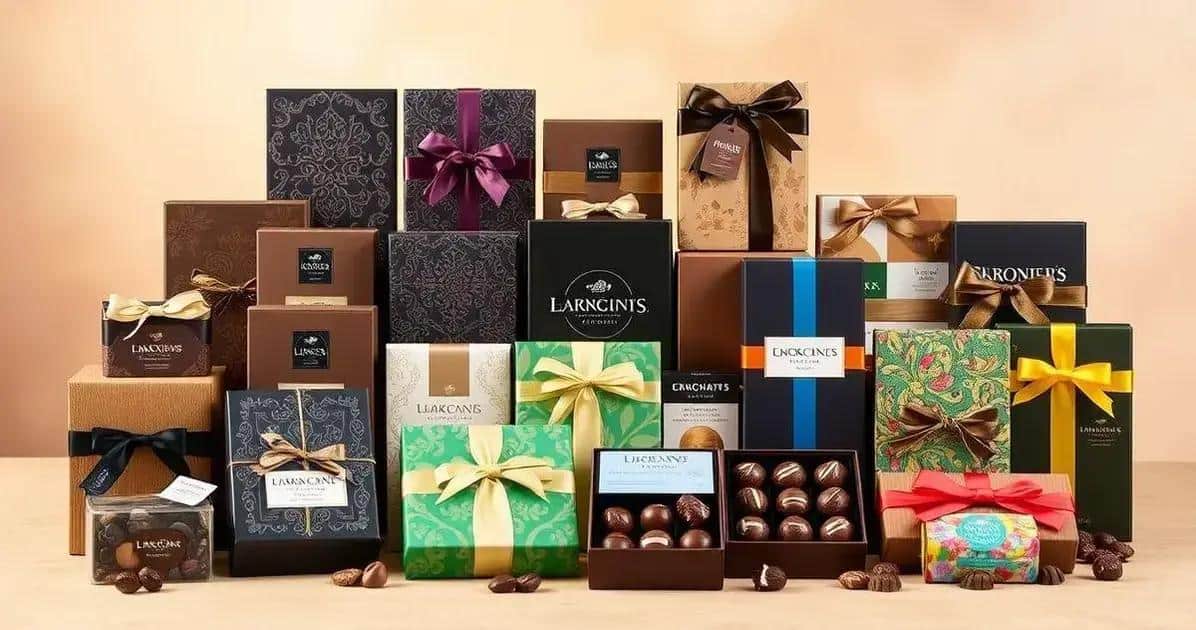
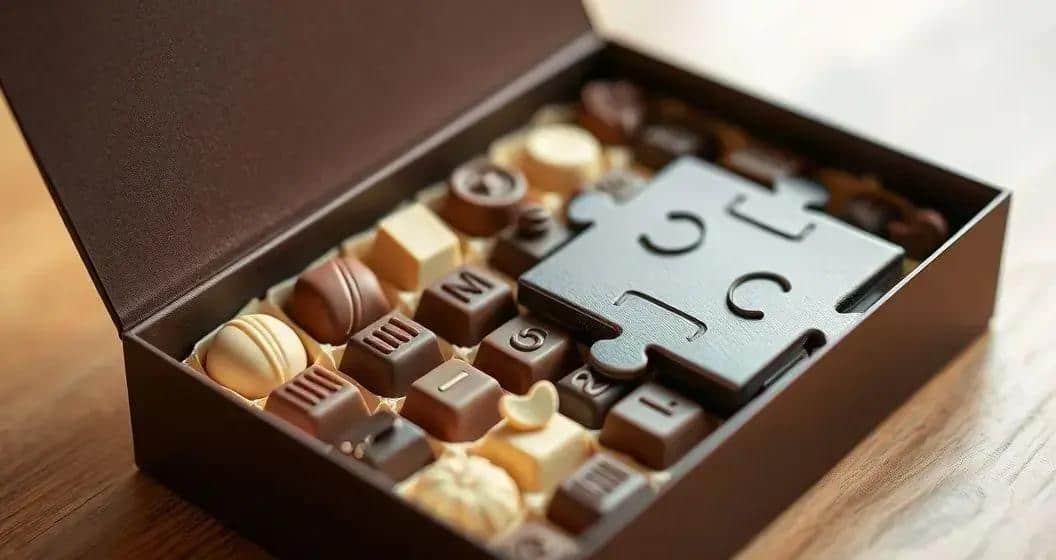
- Measure the contents: allow enough room to avoid crushing delicate pieces, without leaving a large empty space.
- Choose a firm structure: sturdy card or suitable clear packaging helps protect the gift during transport.
- Consider the shape: rectangular, square or heart-shaped boxes each create a different impression.
- Check the closure: the lid or fastening should stay secure when the box is carried.
- Match the design: choose colours and patterns that complement the chocolates and the occasion.
- Personalise selectively: a name, message or paper band can make a plain box feel special.
- Think about reuse: a durable box may be useful afterwards; separate decorative components where needed for recycling.
Presenting the finished gift
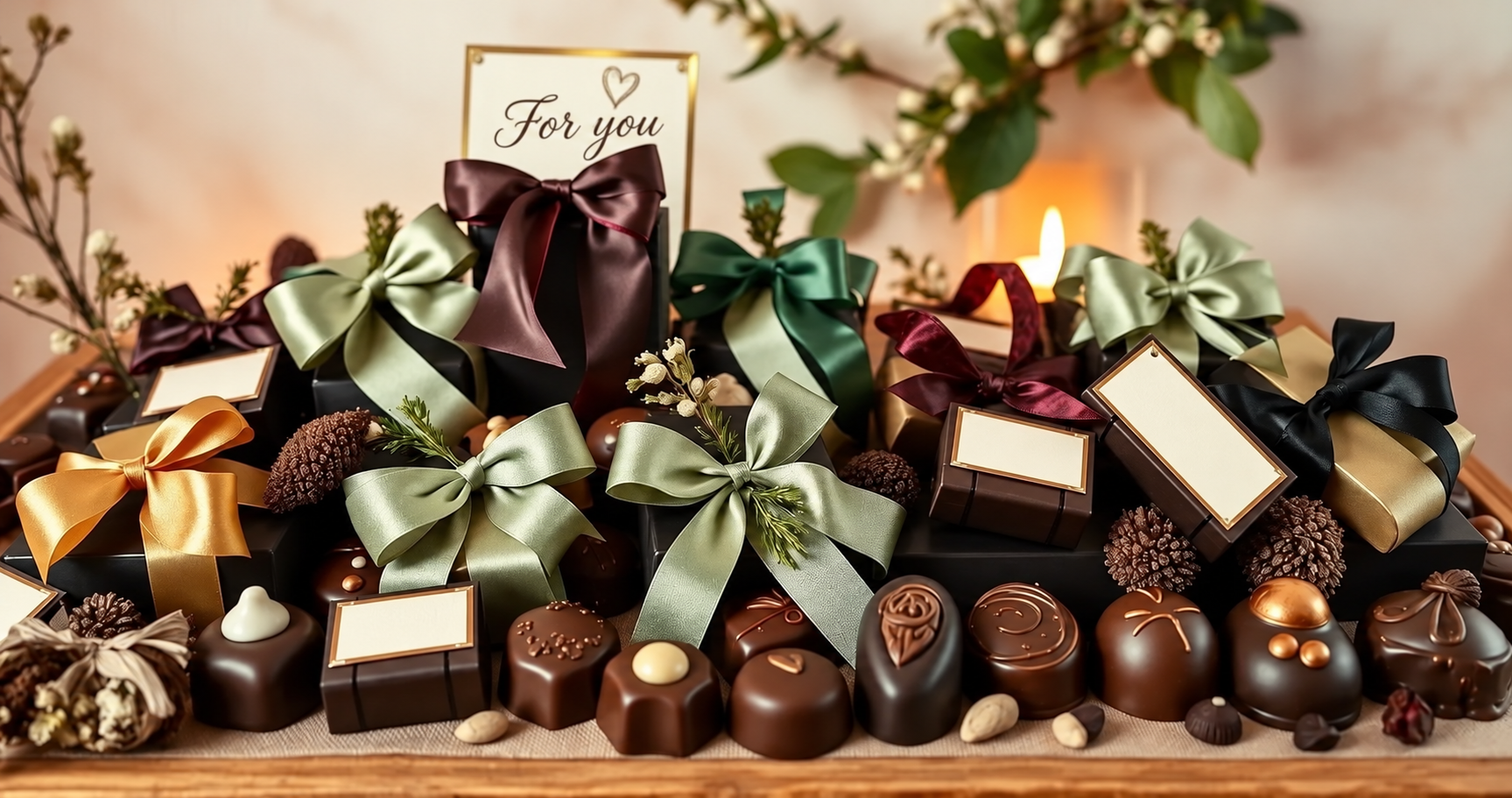
Try arranging different shapes together to create visual variety. Keep delicate truffles supported in individual paper cases, and make sure the contents cannot roll into one another. An attractive arrangement must still survive being carried.
A tray or plate can provide a coordinated background when you present the gift. Soft lighting shows off the details, while a clear tag makes the message easy to find. Natural ornaments and ribbon should frame the box without hiding everything inside.
If you include several flavours, keep their identifying information with them. Preserve any ingredient, allergen and storage information supplied with the chocolates rather than discarding it for the sake of appearance.
Why packaging design matters
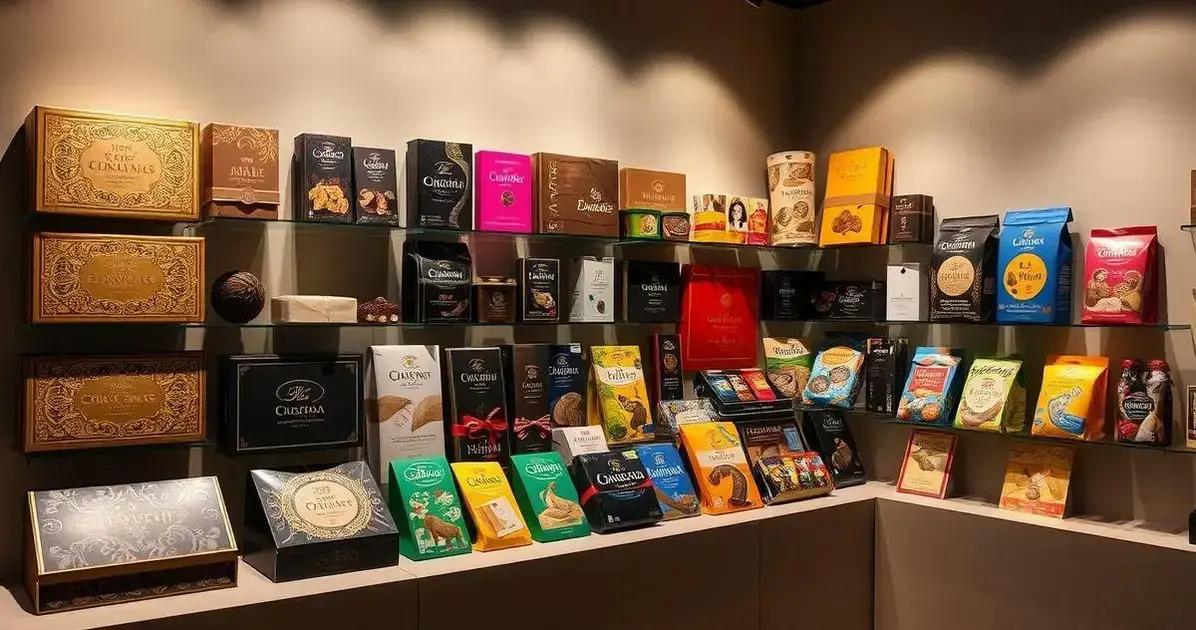
Packaging does more than decorate a sweet treat. Its shape protects the contents, its closure helps keep the arrangement together and its design gives the recipient a first impression of the gift.
Personalised printing makes it possible to add a name or illustration, while a handmade tag gives a different kind of individual touch. Seasonal designs can make the box part of a celebration. You do not need an elaborate design: a coherent colour scheme and careful finishing can be enough.
When considering environmental claims, look at the actual materials and whether they can be reused or recycled where you live. A paper appearance alone does not tell you how a coated or mixed-material wrapper should be disposed of.
Chocolates that suit a special gift
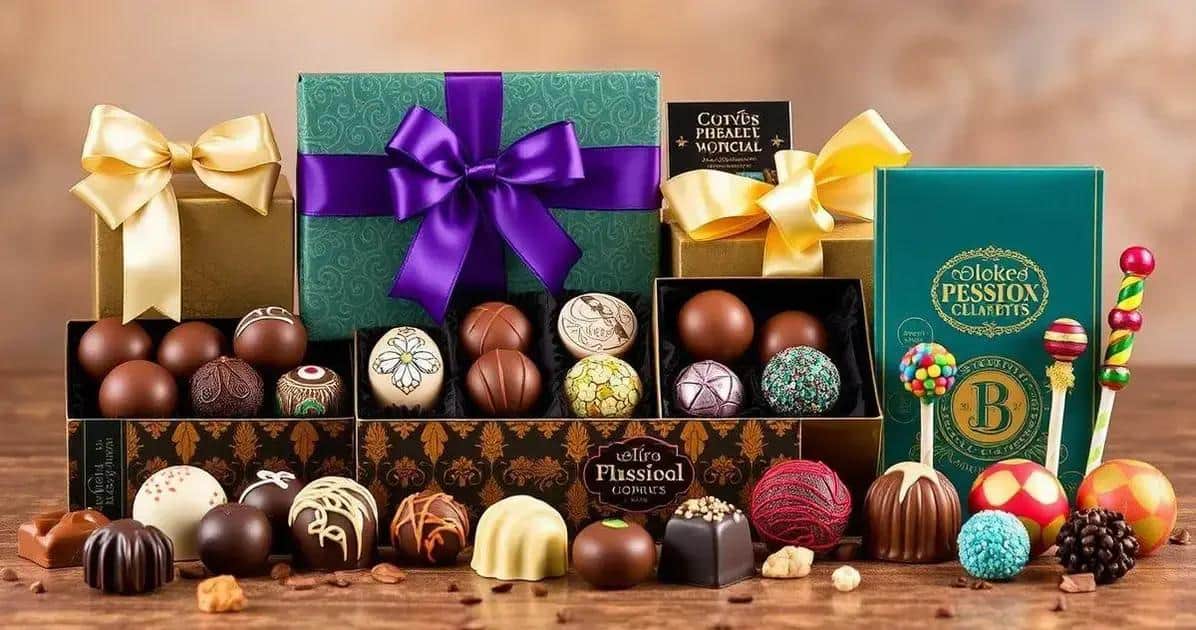
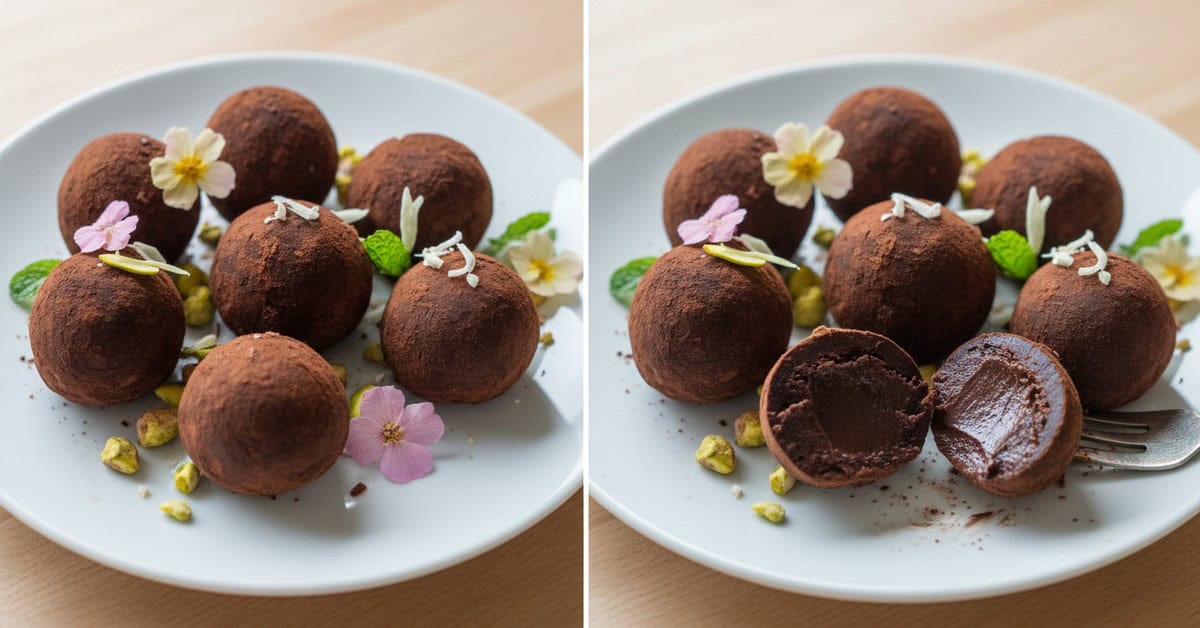
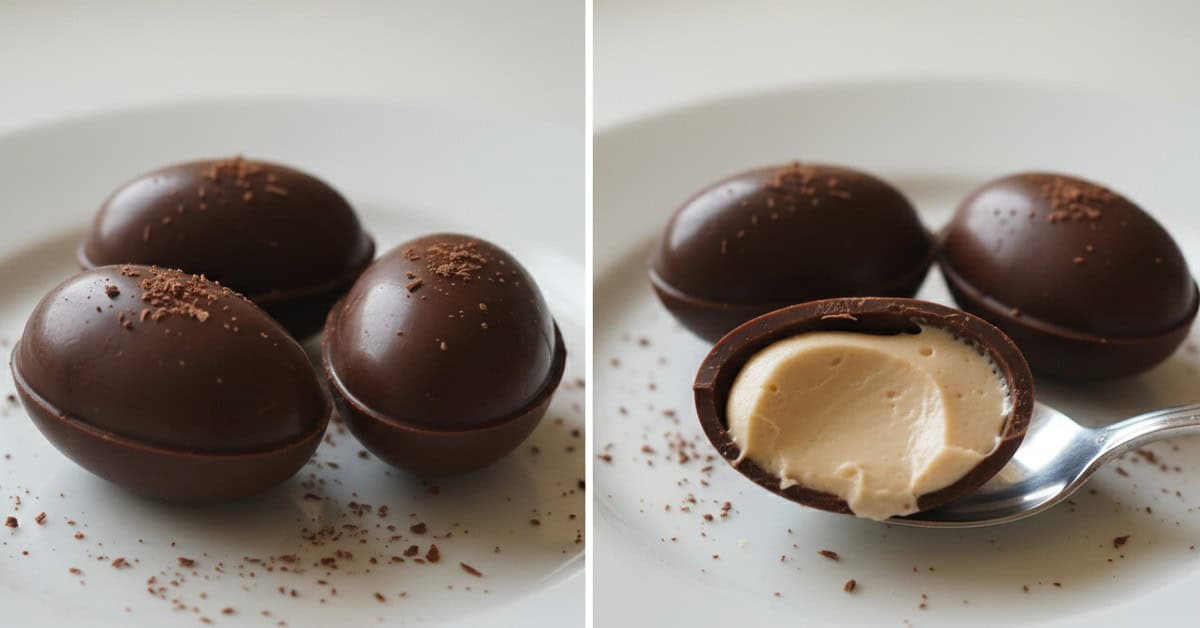
Truffles look attractive in a fitted box. Flavour ideas include passion fruit, white chocolate with mint and chocolate-hazelnut fillings. Handmade filled chocolates, known as bombons in Portuguese, are another option for a varied selection.
Chocolate bars let you compare milk, dark and different cocoa percentages. For someone who enjoys unusual flavours, consider chocolate with chilli or a touch of sea salt. Chocolate lollipops bring a playful touch to celebrations, while a personalised bar can carry a short message.
Choose with the recipient’s preferences in mind. Sugar-free chocolate is not automatically suitable for every dietary requirement: check the ingredients and ask what they can eat. For chocolates with fresh fillings, follow the maker’s storage instructions when planning when to wrap and give the gift.
A little care makes the difference
Start with a box that fits, protect the chocolates properly and add one or two personal details. Find more ideas for homemade treats at Bella’s Recipes.
Frequently asked questions
Why wrap chocolates in a special way?
Thoughtful wrapping protects the chocolates and makes the presentation feel personal, adding to the pleasure of receiving the gift.
Which materials are best for wrapping chocolates?
Use suitable food-safe wrappers or liners where materials touch the chocolates. Boxes, decorative tissue and ribbons can then provide the outer presentation.
How do I choose the right box?
Consider the size and shape of the chocolates, the occasion and transport. The box should hold everything securely without crushing the contents.
Which chocolates work well in a gift box?
Truffles, handmade filled chocolates and flavoured bars are good options. Choose flavours the recipient enjoys and follow the maker’s storage advice.
How can I personalise the packaging?
Add a handwritten tag, coordinated ribbons or decorations on the outside. Keep craft materials and loose decorative pieces away from the food.
Does packaging affect how a chocolate gift is received?
It helps create the first impression and can make a simple selection feel carefully chosen. Protection and clear information still matter alongside appearance.