
Why chocolate becomes hard when cold
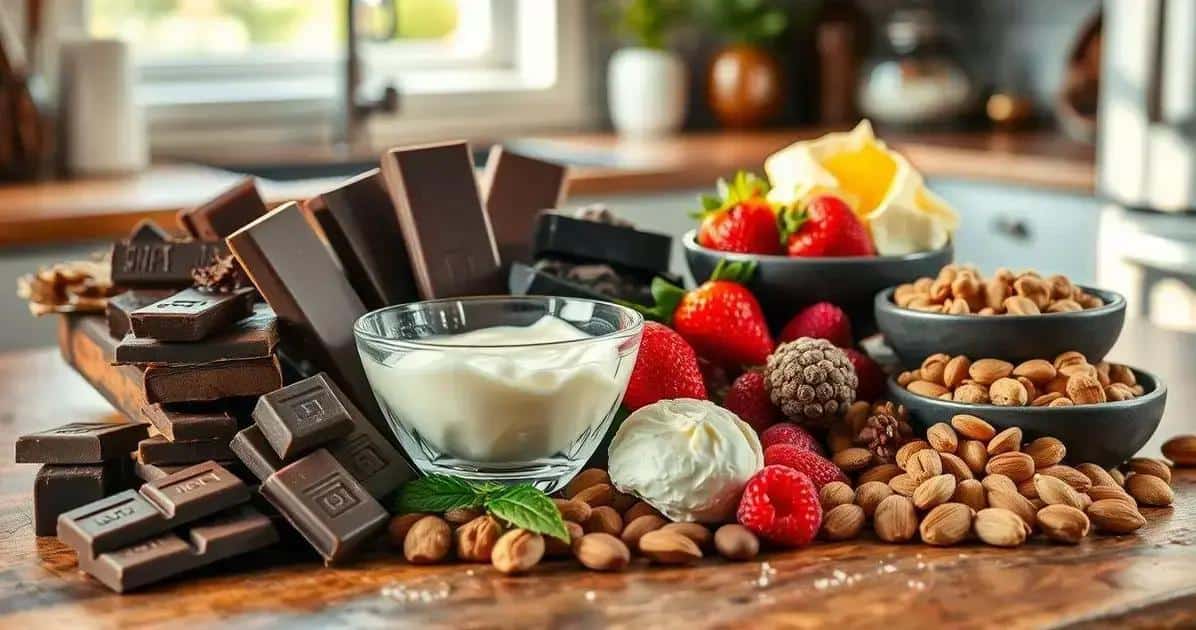
Cocoa butter firms as temperature falls, so a thick layer that is pleasant at room temperature can become difficult to cut when frozen. Thin layers and recipes with added cream or neutral oil remain easier to eat.
Choosing the right chocolate
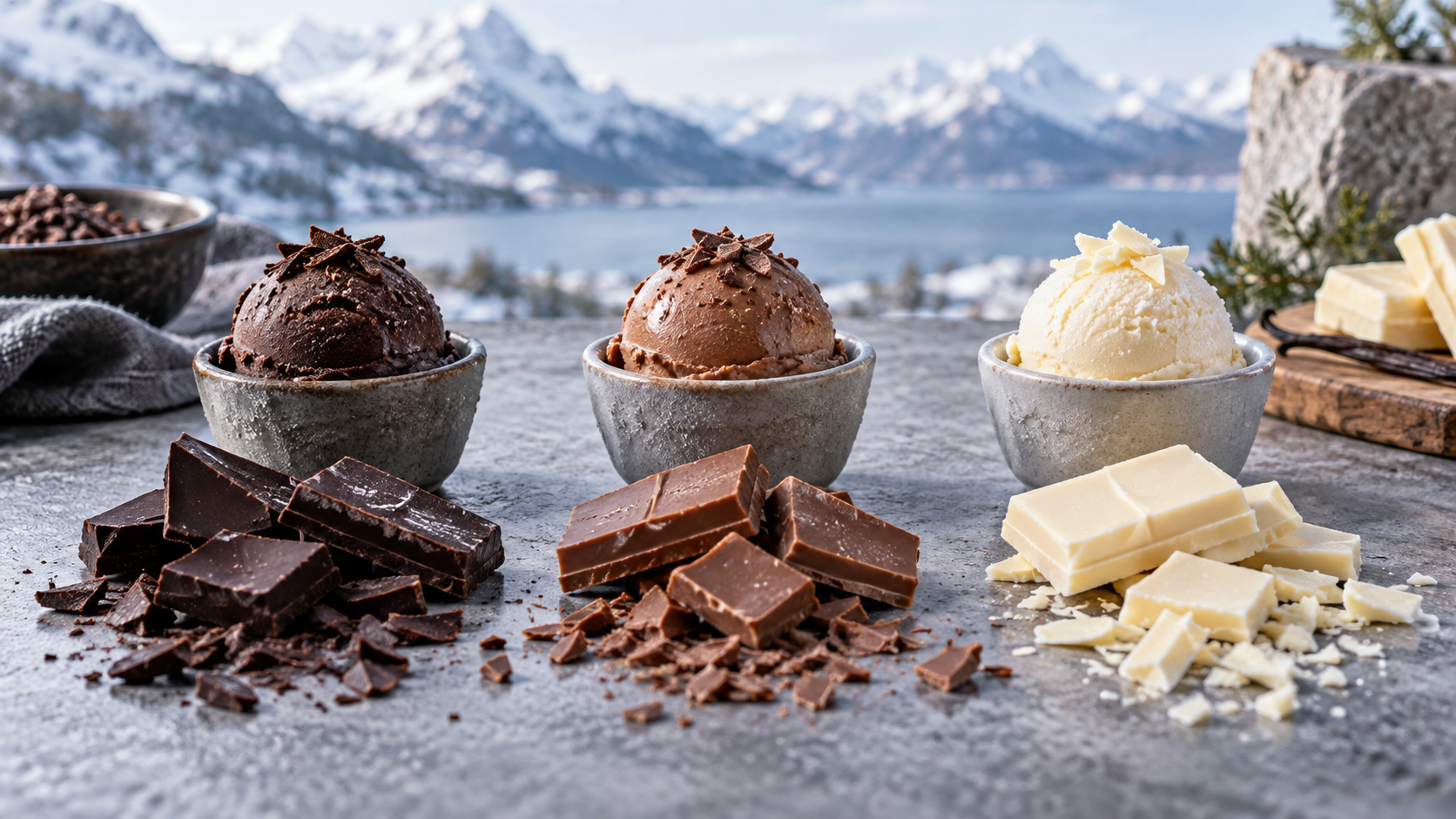
Use good-quality chocolate whose flavour is strong enough to remain noticeable when cold. Milk and white chocolate stay softer than high-cocoa dark chocolate, but they also add more sweetness.
Making a softer chocolate sauce

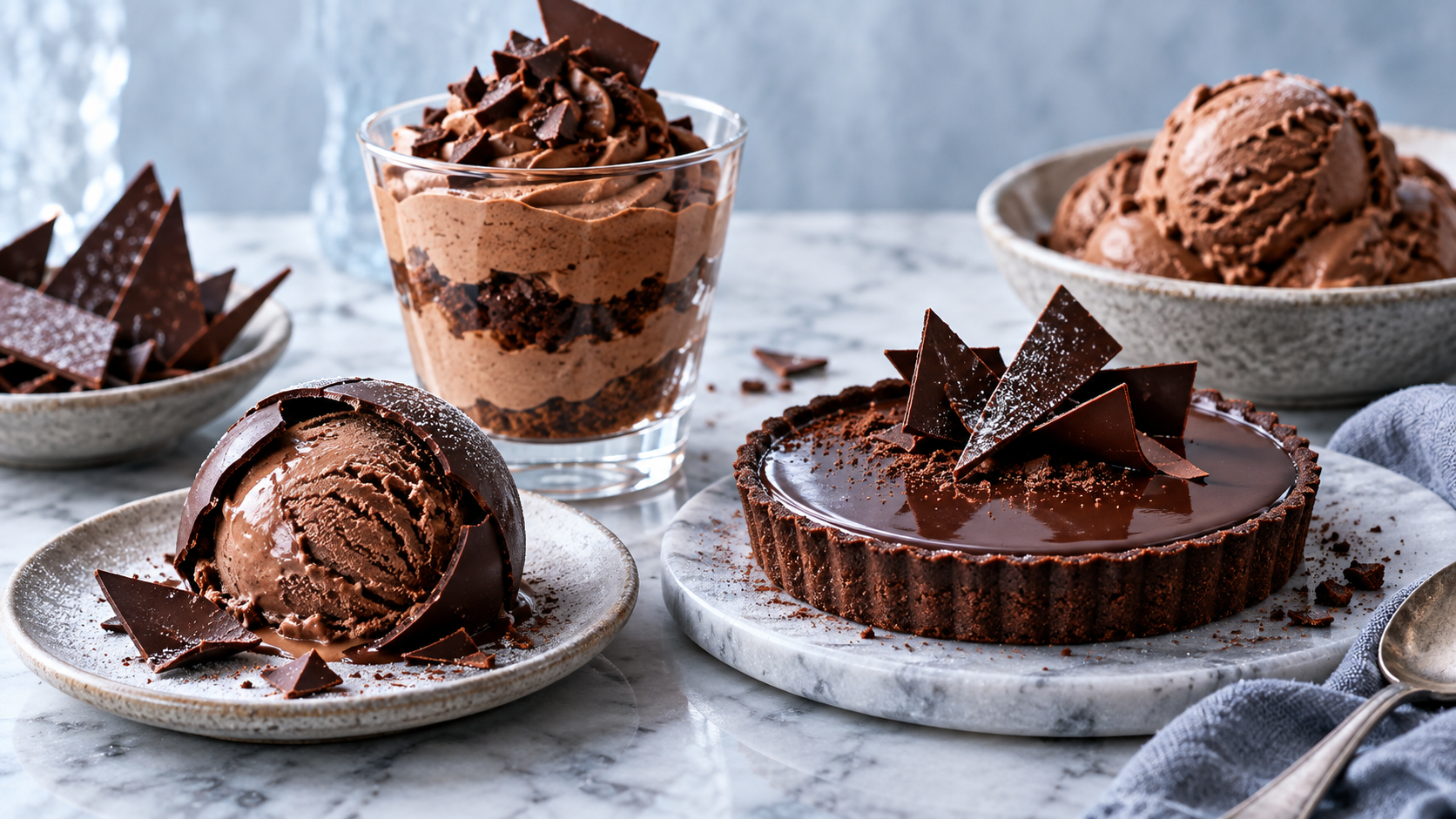
For a pourable chilled sauce, make a ganache with warm cream and chocolate. Adjust the ratio gradually; sauces for ice cream usually need more liquid than cake fillings.
Adding crisp chocolate pieces

Finely chopped chocolate, grated chocolate or thin tempered shards give clean texture without forming a solid block. Fold them into ice cream only after the base is cold.
Coating frozen desserts
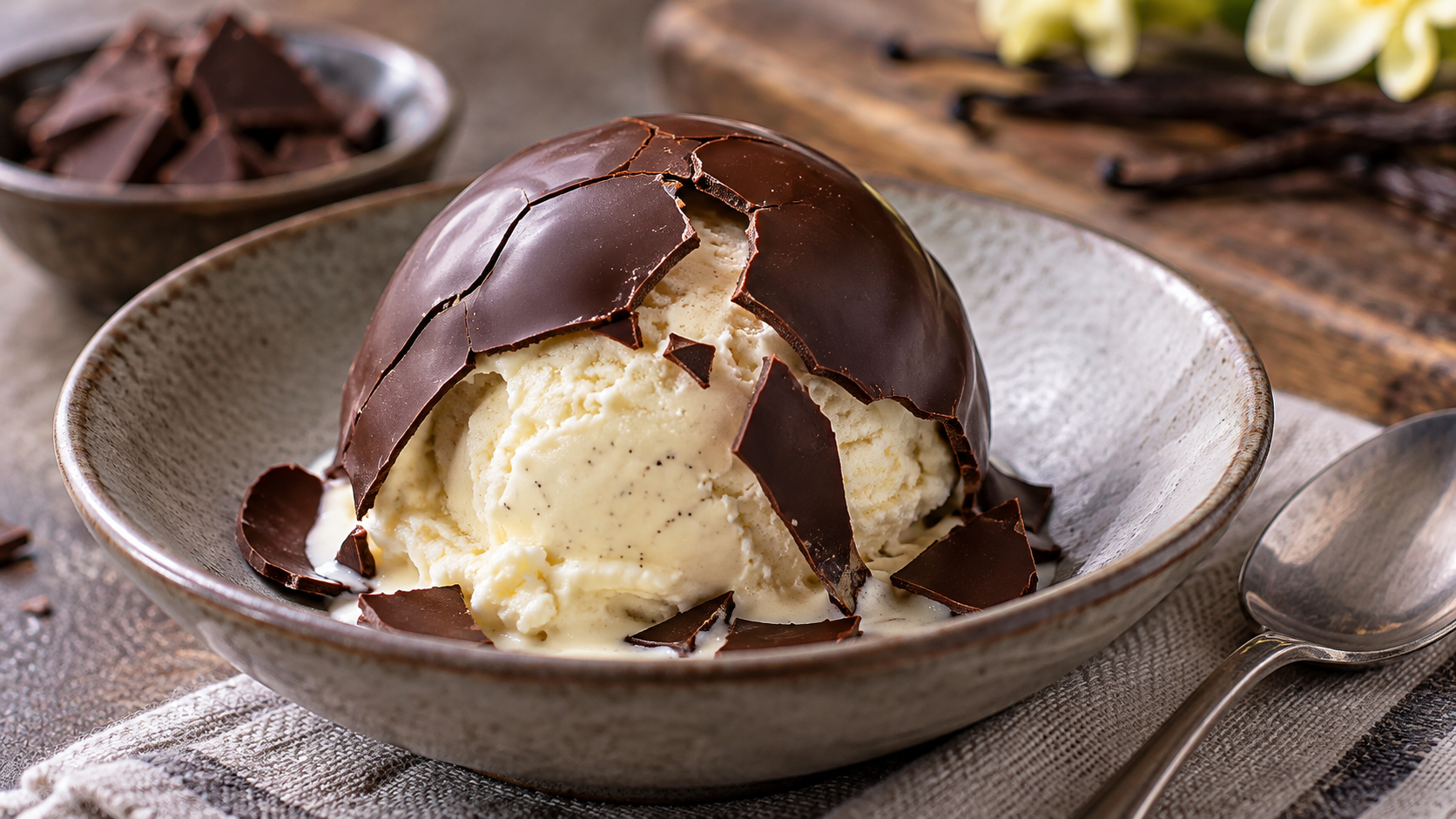
For a quick shell, pour a very thin coating formulated with a small amount of coconut oil over a thoroughly frozen dessert. Serve promptly and state all allergens.
Preventing cracks and condensation

Let frozen cakes soften slightly before cutting and warm the knife between slices. Keep the dessert covered while thawing to reduce surface condensation.
Serving and storing
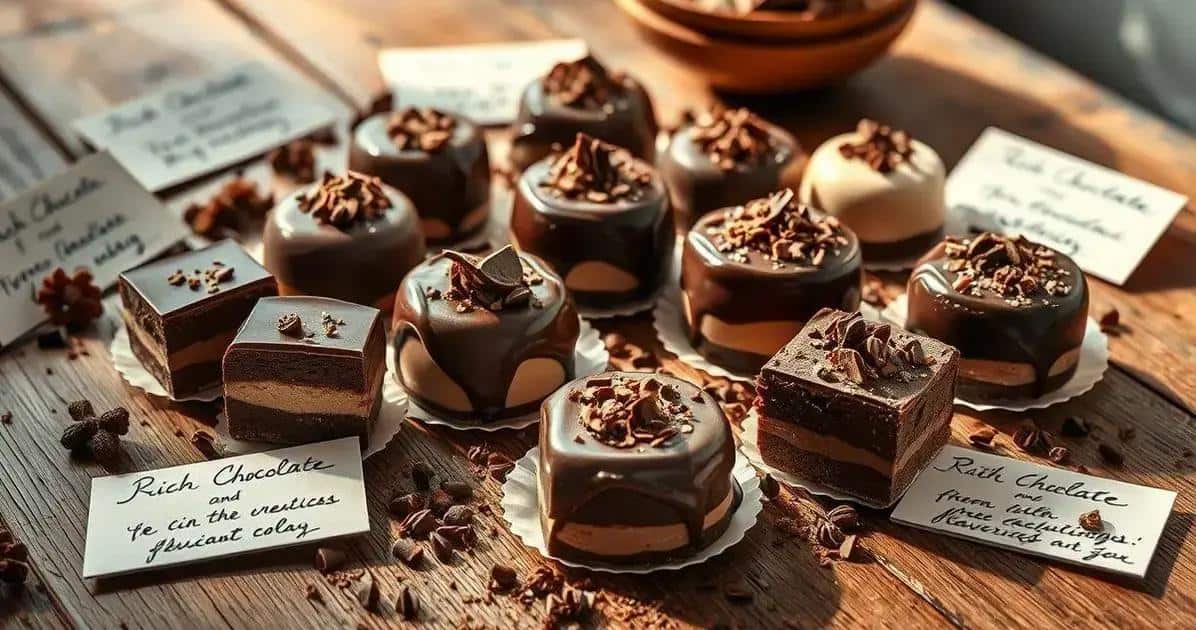
Store frozen desserts tightly covered to prevent freezer odours and ice crystals. Do not refreeze products that have fully thawed, particularly those containing dairy or eggs.
Frequently asked questions
Can I use supermarket chocolate?
It can work for simple baking and drizzles, but couverture chocolate gives more predictable tempering, shine and snap.
Why did my chocolate become thick or grainy?
Water, steam or overheating may have caused it to seize. Keep every tool dry and melt with gentle heat.
Should chocolate go in the fridge?
Use a cool, dry cupboard when conditions are stable. Refrigerate only when heat or a perishable filling makes it necessary, and keep the container sealed.
How do I avoid fingerprints?
Handle set decorations with clean food-safe gloves, tweezers or a cool palette knife.
Can I prepare decorations ahead?
Yes. Store them airtight between sheets of baking paper in a cool, dark and dry place.
Which allergens should I declare?
Check every product label, particularly for milk, soya, nuts and possible traces from shared manufacturing equipment.