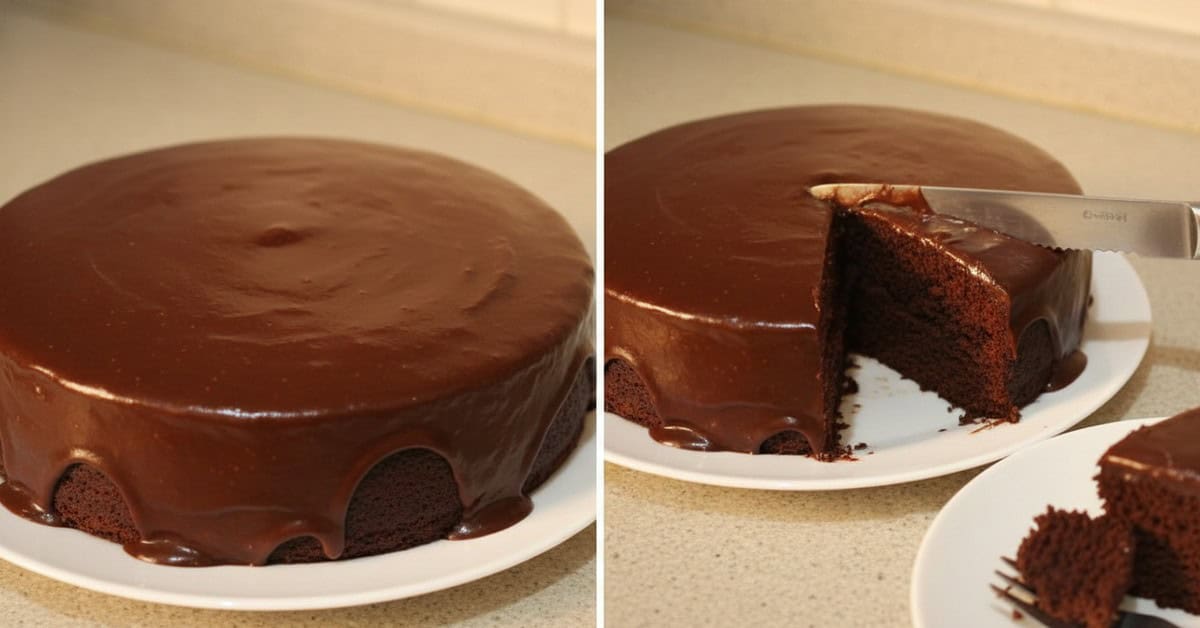

Choosing chocolate and equipment
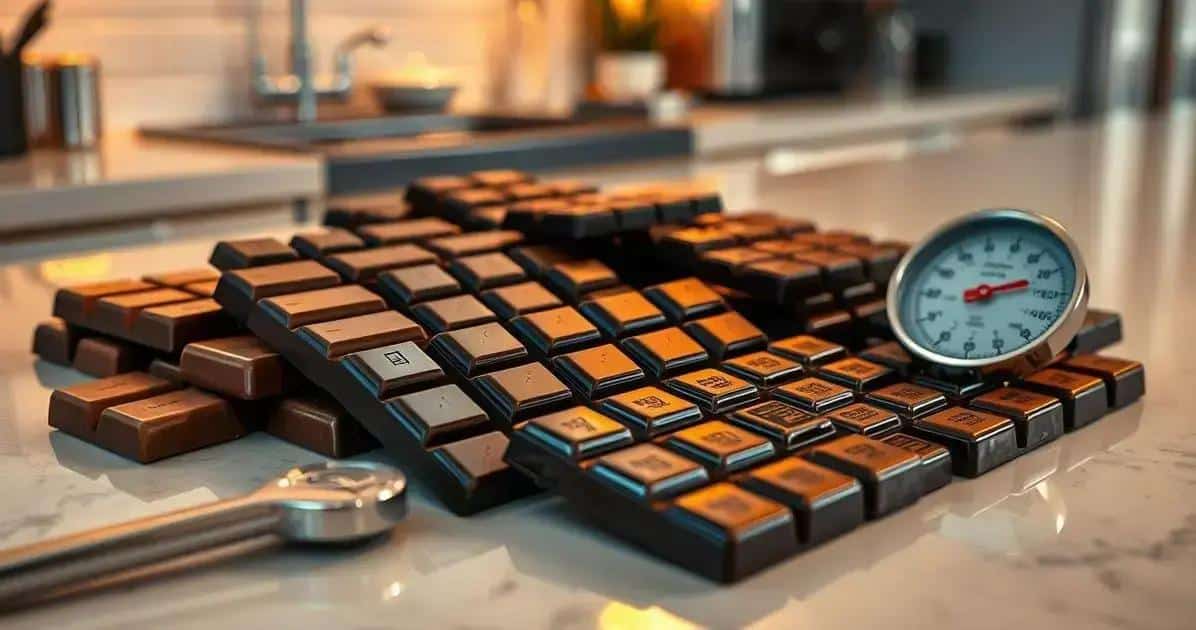
Choose couverture chocolate with cocoa butter, not compound coating. You need a completely dry heatproof bowl, a flexible spatula, a digital thermometer and finely chopped chocolate.
Melting without scorching
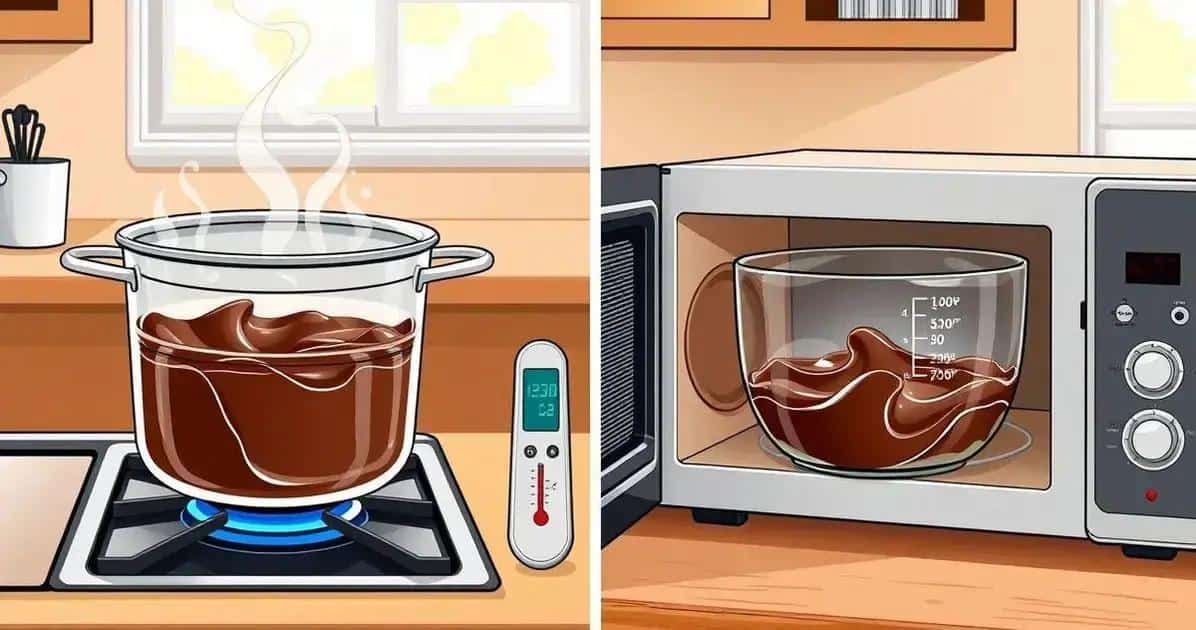
Melt about three quarters of the chocolate gently over barely simmering water, keeping the bowl clear of the water. Stir often and stop before the chocolate becomes excessively hot.
Seeding dark chocolate
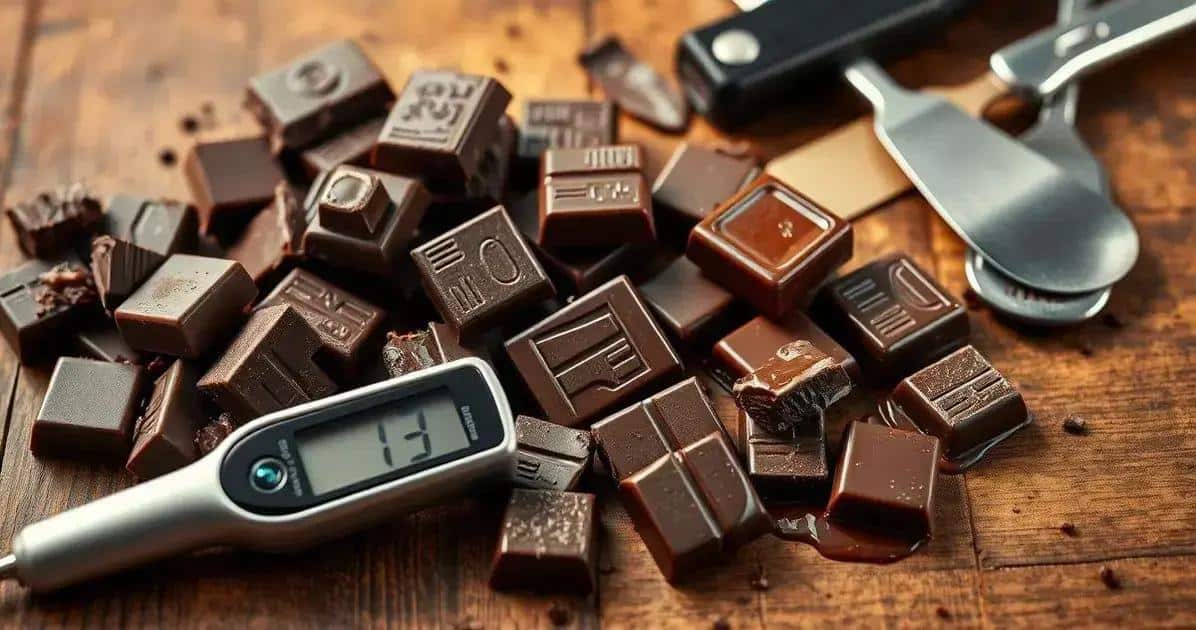
For dark chocolate, cool the melted portion by stirring in the reserved chopped chocolate a little at a time. A common working range is about 31–32°C, but follow the manufacturer’s guidance for the chocolate you use.
Tempering milk or white chocolate

Milk and white chocolate generally need lower working temperatures, often around 29–30°C and 28–29°C respectively. Because formulas vary, the packet or supplier’s curve should take priority.
Testing the temper

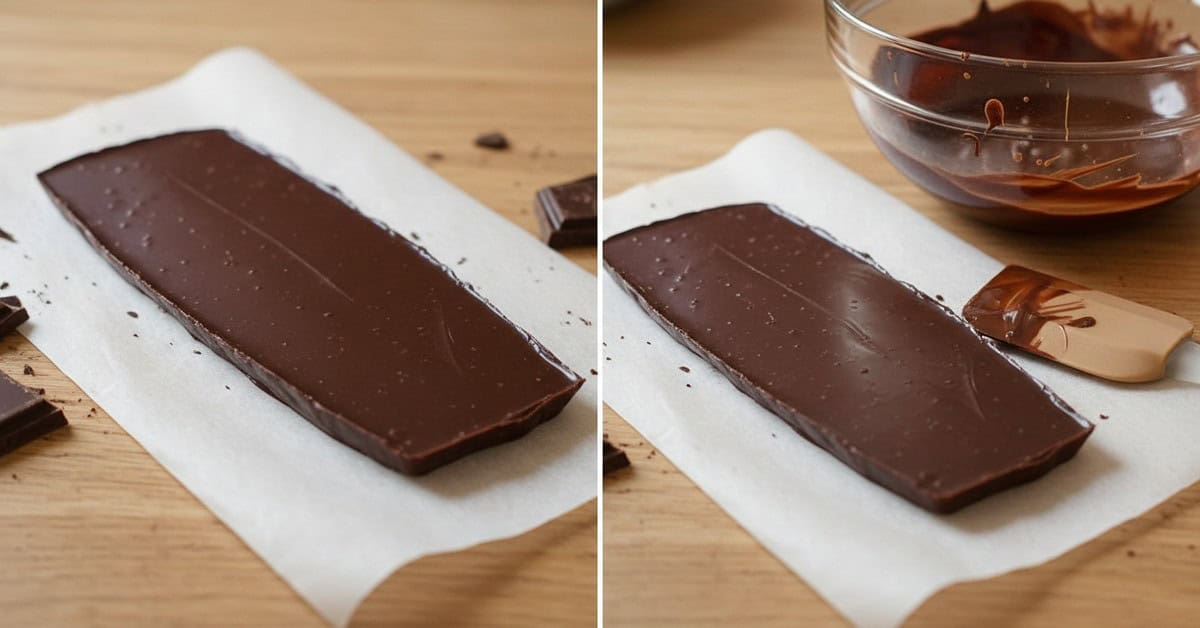
Spread a thin swipe on baking paper or the tip of a palette knife. Properly tempered chocolate should begin to set within a few minutes at cool room temperature, with an even sheen and no streaks.
Moulding and setting
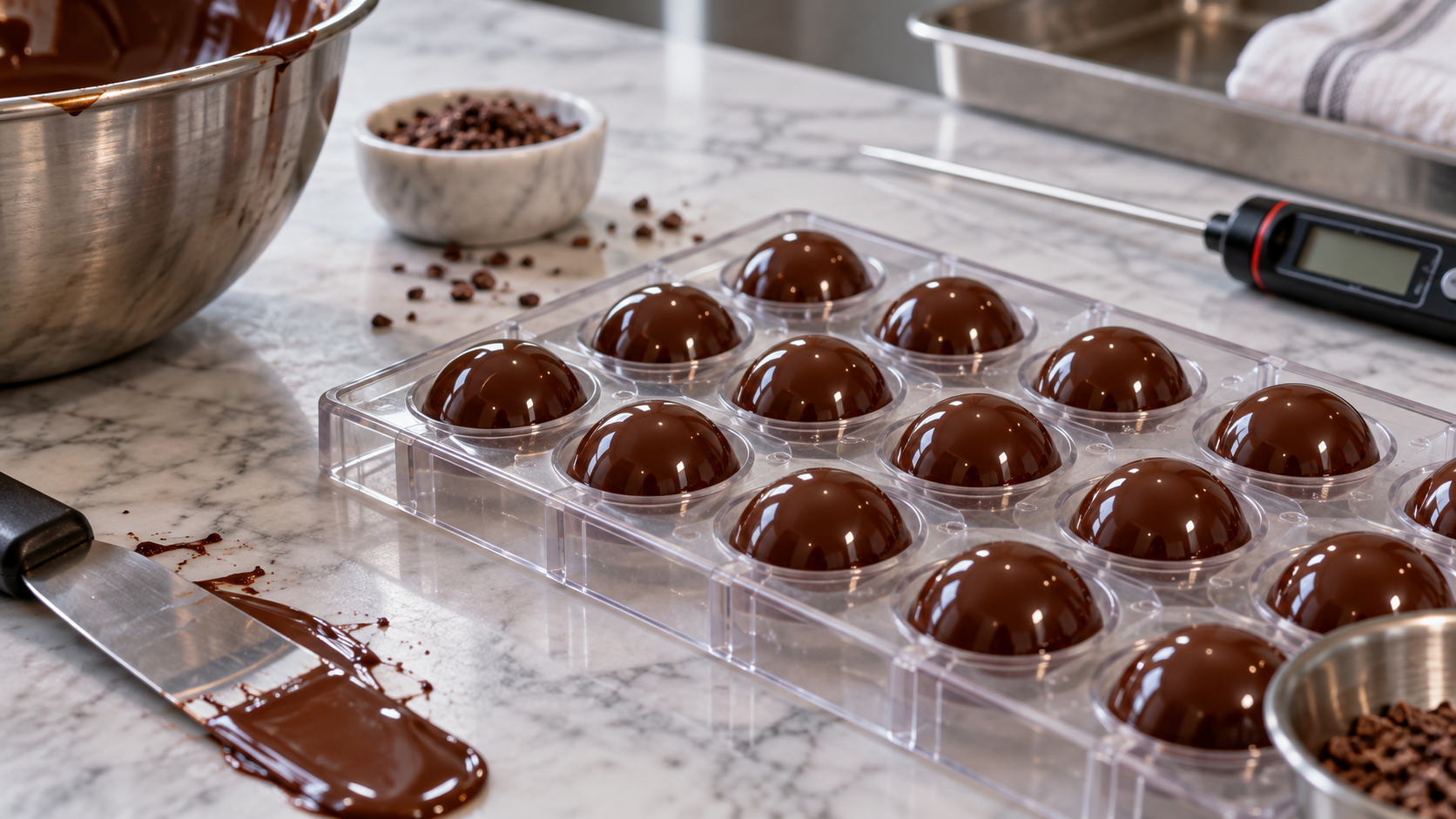
Keep the chocolate within its working range while filling clean, polished moulds. Tap out air bubbles, scrape the mould level and let it set in a cool, dry place without forcing it in the freezer.
Troubleshooting dull or streaky chocolate

If it remains soft, streaky or dull, melt it gently and repeat the tempering process. Water, overheating and a room that is too warm are common causes of failure.
Frequently asked questions
Can I use supermarket chocolate?
It can work for simple baking and drizzles, but couverture chocolate gives more predictable tempering, shine and snap.
Why did my chocolate become thick or grainy?
Water, steam or overheating may have caused it to seize. Keep every tool dry and melt with gentle heat.
Should chocolate go in the fridge?
Use a cool, dry cupboard when conditions are stable. Refrigerate only when heat or a perishable filling makes it necessary, and keep the container sealed.
How do I avoid fingerprints?
Handle set decorations with clean food-safe gloves, tweezers or a cool palette knife.
Can I prepare decorations ahead?
Yes. Store them airtight between sheets of baking paper in a cool, dark and dry place.
Which allergens should I declare?
Check every product label, particularly for milk, soya, nuts and possible traces from shared manufacturing equipment.